
 Email:
  Whatsapp:

Clear records
history record

News
Related news
5 Key Factors Affecting CNC Rotary Table Precision and How to Compensate for Accuracy?
And fully understands the demand for high-precision equipment.This article will explore the factors that affect the precision of CNC rotary tables and discuss how to perform precision compensation, helping customers better choose and use CNC rotary tables.
What is a CNC Rotary Table?
A CNC rotary table is a turntable controlled by a CNC system. It automatically rotates to a specified angle according to a pre-programmed command, offering extremely high precision. Think of it as an "intelligent rotating platform" capable of completing complex rotation tasks with great accuracy. Let’s dive into the precision of NC rotary tables:
1. CNC Rotary Table Precision Definition and Importance
CNC rotary table precision refers to the deviation between the actual position and the theoretical position of the rotary table during its rotation. A high-precision CNC rotary table ensures the dimensional accuracy, shape accuracy, and positional accuracy of the processed parts, improving product quality and consistency. In high-end manufacturing sectors like aerospace, automotive manufacturing, and precision molds, the precision of the CNC rotary table is critical.
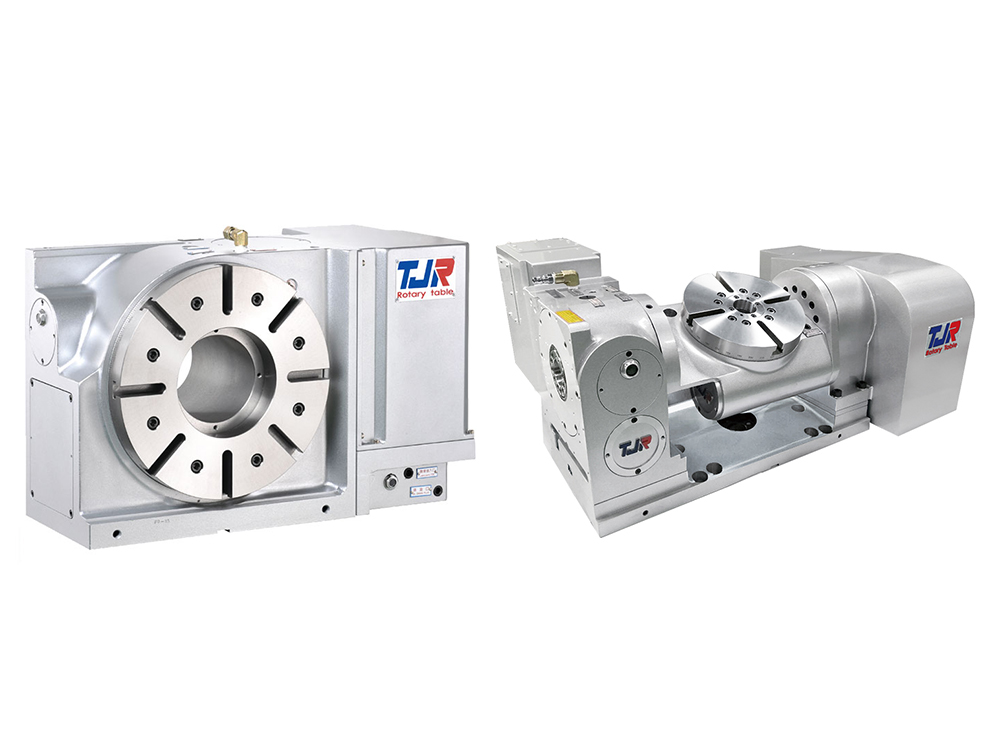
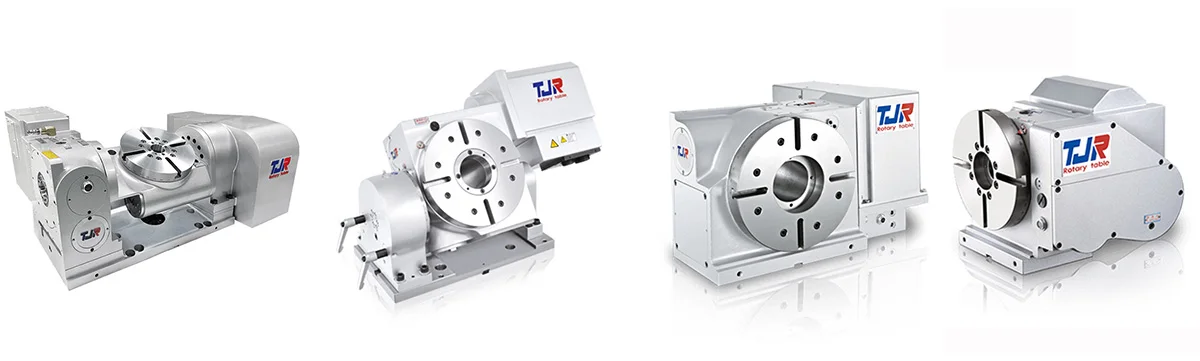
The TJR CNC rotary table we represent is renowned for its high precision, reliability, and long service life. TJR rotary tables use advanced mechanical design and manufacturing processes to maintain high precision even under high-speed and high-load conditions. However, even the most advanced CNC rotary tables are subject to various factors that affect their precision. Understanding these factors and taking appropriate compensation measures are key to ensuring the stable, long-term operation of CNC rotary tables.
2. Main Factors Affecting CNC Rotary Table Precision
Manufacturing and Assembly Errors: The processing accuracy of rotary table components and the quality of assembly directly impact the movement precision. For example, errors in worm gear manufacturing or improper bearing installation can lead to rotational errors.
Temperature Changes: During machining, the machine tool and rotary table generate heat, causing temperature rise. The thermal expansion coefficients of different materials vary, leading to dimensional changes in the rotary table components, thus affecting positioning and repeatability.
Load Effects: The weight of the workpiece and cutting forces significantly affect the precision of the rotary table. Uneven load distribution can cause deformation of the rotary table, impacting machining accuracy.
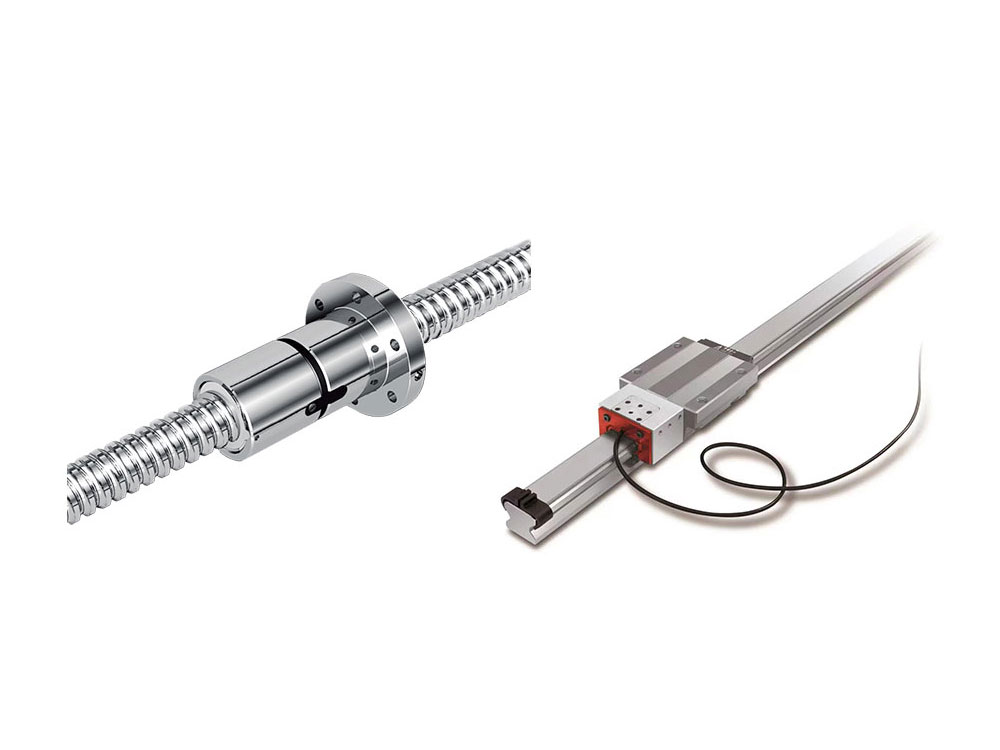
Wear: Prolonged use causes wear in the moving parts of the rotary table, such as linear rail slider and ball screws, which in turn affects precision.
Backlash: Backlash in the drive system can lead to positioning errors and reduce machining accuracy.
3. Precision Advantages of TJR Rotary Tables
TJR rotary tables, with their excellent design and manufacturing craftsmanship, ensure high-precision machining performance. For instance, the FAD series direct-drive CNC indexing table uses ultra-high-speed direct-drive motors, with indexing accuracy reaching 0.001 degrees and repeatability within 4 seconds, meeting the needs for high-precision processing.
4. Precision Compensation Methods
To address the aforementioned factors, the following precision compensation measures can be taken:
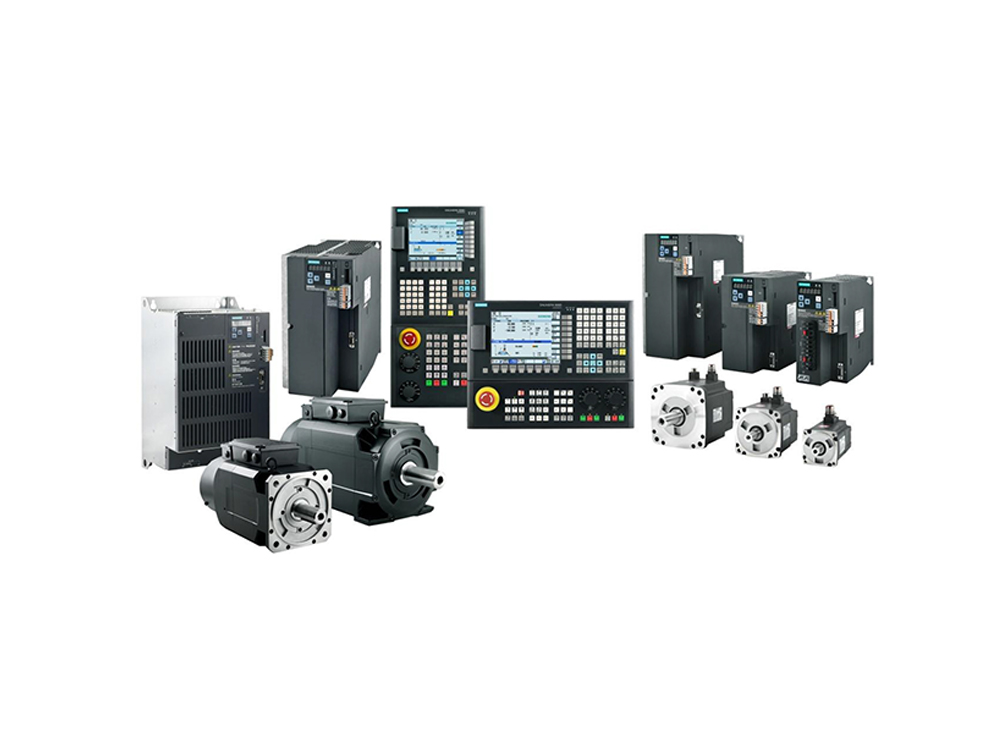
Software Compensation: Utilize the compensation functions in the CNC system to establish an error model based on actual measured errors. Input the corresponding compensation parameters into the control system to automatically correct the errors.
Mechanical Adjustments: For errors caused by improper assembly or component deformation, adjustments can be made to the positions and tightness of components to improve precision.
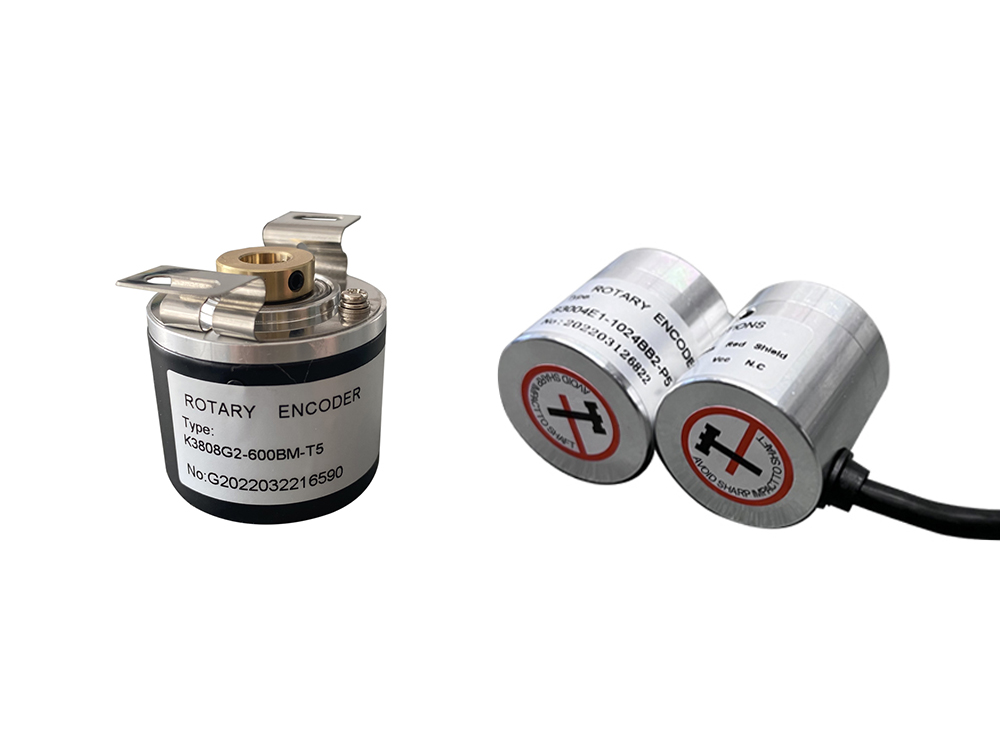
Real-Time Monitoring: Install sensors to monitor the rotary table's movement and positional errors in real time. Feedback the data to the control system for timely adjustments and compensation.
Environmental Control: Maintain a stable temperature and humidity in the machine tool’s working environment to minimize the impact of environmental changes on precision. Regularly clean the machine tool to ensure it remains in optimal working condition.
Regular Maintenance: Establish a comprehensive machine tool maintenance schedule, regularly inspecting and replacing worn parts to ensure the accuracy and performance of all components.
5. Precision Testing and Verification
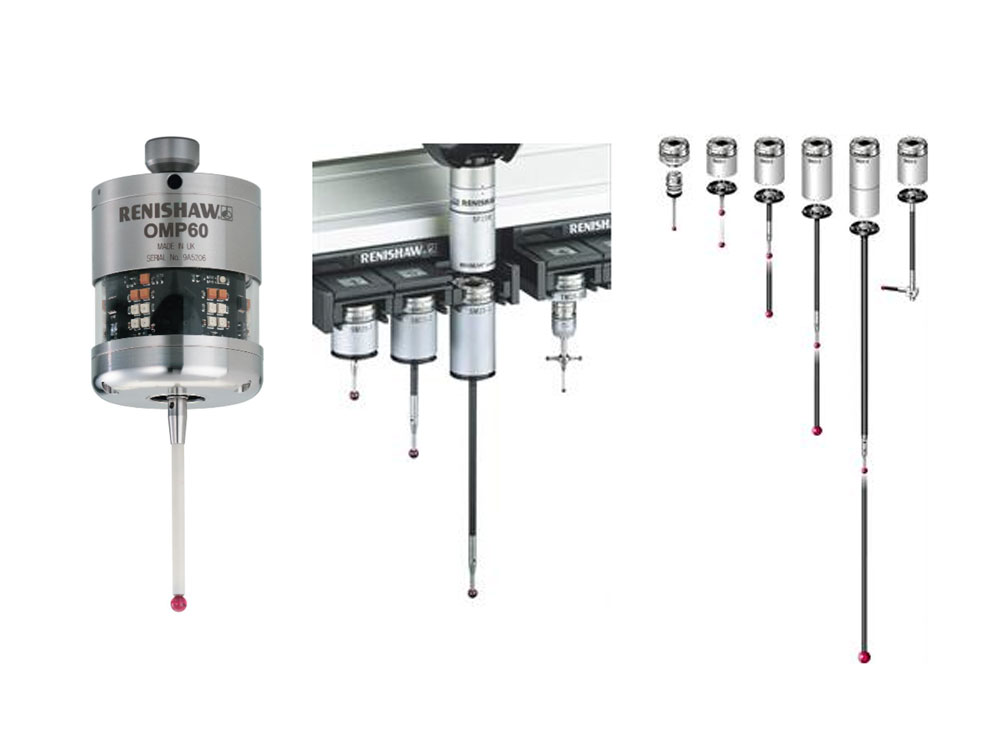
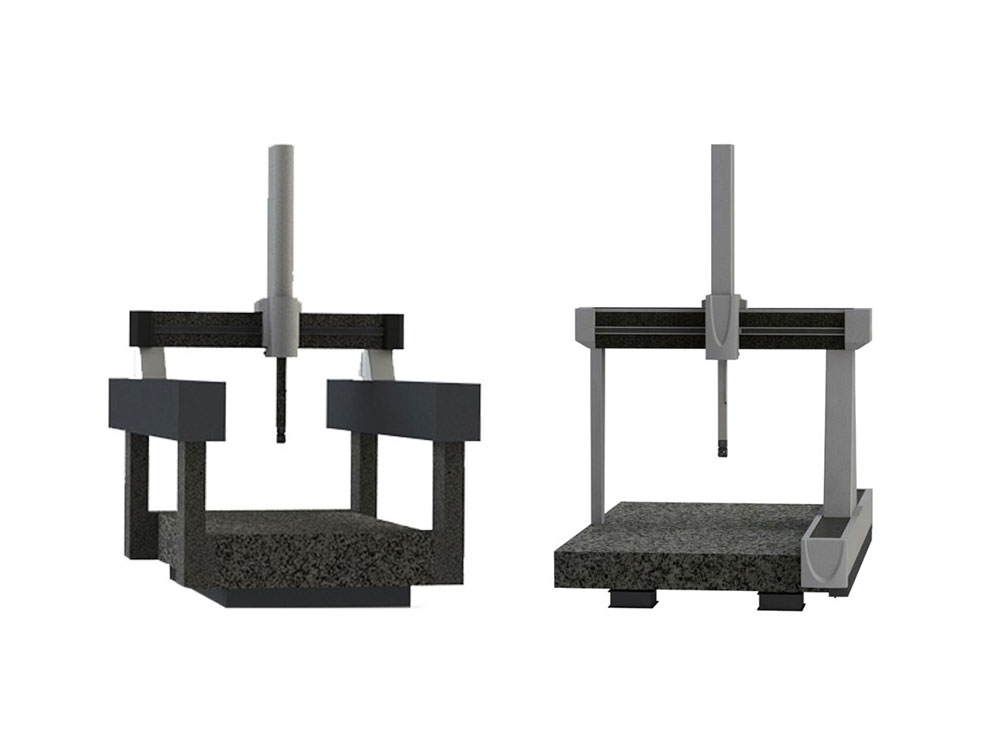
Before implementing precision compensation, a thorough precision inspection of the CNC rotary table is required. High-precision measurement instruments, such as laser interferometers and ball-bar instruments, can be used to measure the various precision indicators of the rotary table. By analyzing the types and magnitudes of errors, appropriate compensation methods and parameters can be selected. The compensation effects must be verified and adjusted multiple times to ensure the desired precision is achieved.
CNC rotary table precision is a key factor influencing machining quality. By understanding the factors that affect CNC rotary table precision and adopting effective compensation measures, the precision of the rotary table can be significantly improved, ensuring the quality of processed parts. If you are interested in TJR CNC rotary tables, feel free to contact us. We provide professional technical support and solutions, along with comprehensive after-sales services, including installation, debugging, precision testing, and maintenance, ensuring that customers maintain high precision throughout their use of TJR CNC rotary tables.


 Tel: (86 510) 68088084
 Whatsapp: +86-15852791610
 Mailbox: info@wxfagor.com

