
 Email:
  Whatsapp:

Clear records
history record

News
Related news
What is the difference between a vertical machining center and a horizontal machining center?
Vertical machining centers and horizontal machining centers are common classifications of machining centers. The basic functions of vertical and horizontal are similar, and they are mainly based on milling. But there is a difference between the two.
Difference 1: Spindle structure
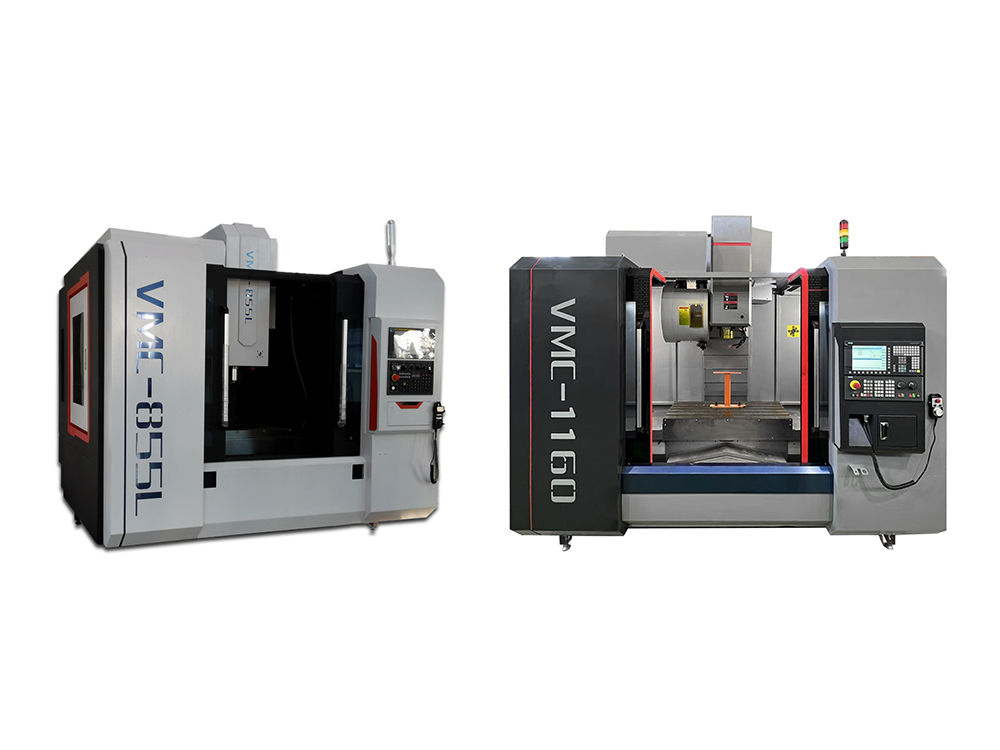
The spindle of a vertical machining center is vertical.
The spindle of a horizontal machining center is horizontal.
Difference 2: Column structure
The column of the vertical machining center generally does not move, and is generally made as thick as possible in order to pursue rigidity. There are also moving-column vertical machining centers. The table of the moving-column vertical machining center only moves in the X or Y direction, and the column moves in the Y or X direction accordingly. This design method has greater power requirements for the drive motor of the column. .
The column of the horizontal machining center must be a moving column. The column of the horizontal machining center of the positive T type moves along the X direction, and the column of the horizontal machining center of the inverted T type moves along the Z direction. The structure of the mobile column requires that the column must be as light as possible under the premise of satisfying rigidity. Foreign machining centers often use steel plate welded structures to solve such problems.
Difference 3: Operational situation
The vertical machining center is easy to clamp, easy to operate, easy to observe the processing situation, and easy to debug the program.
The workpieces processed by the horizontal machining center are generally relatively large, with a high degree of integration, difficult to clamp, not easy to monitor the processing process, and relatively difficult to operate and debug.
Difference 4: Workbench
The worktable of the vertical machining center is generally a T-slot worktable with a cross slide structure. There are two sets of motion mechanisms responsible for the movement of the worktable in the vertical direction. superior.
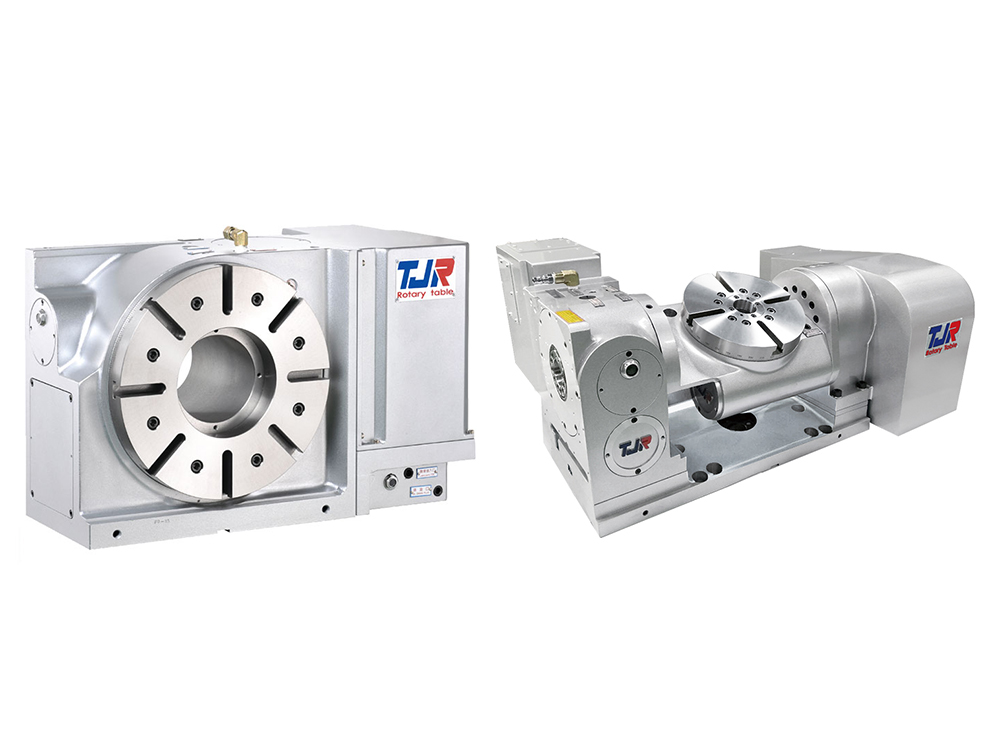
The table of the horizontal machining center only moves in the X or Y direction. The table is generally a rotary table with a lattice screw hole table, and it is relatively easy to choose an exchangeable double table.
Difference 5: Chip removal during machining
When the vertical machining center processes the cavity or the concave surface, the chips are not easy to discharge, and in severe cases, the tool will be damaged, the machined surface will be damaged, and the smooth processing will be affected. Silp CNC reminds you to pay special attention to the installation of the tool and the clamping of the workpiece.
The horizontal machining center has easy chip removal and relatively ideal machining conditions.
Difference 6: Processing objects
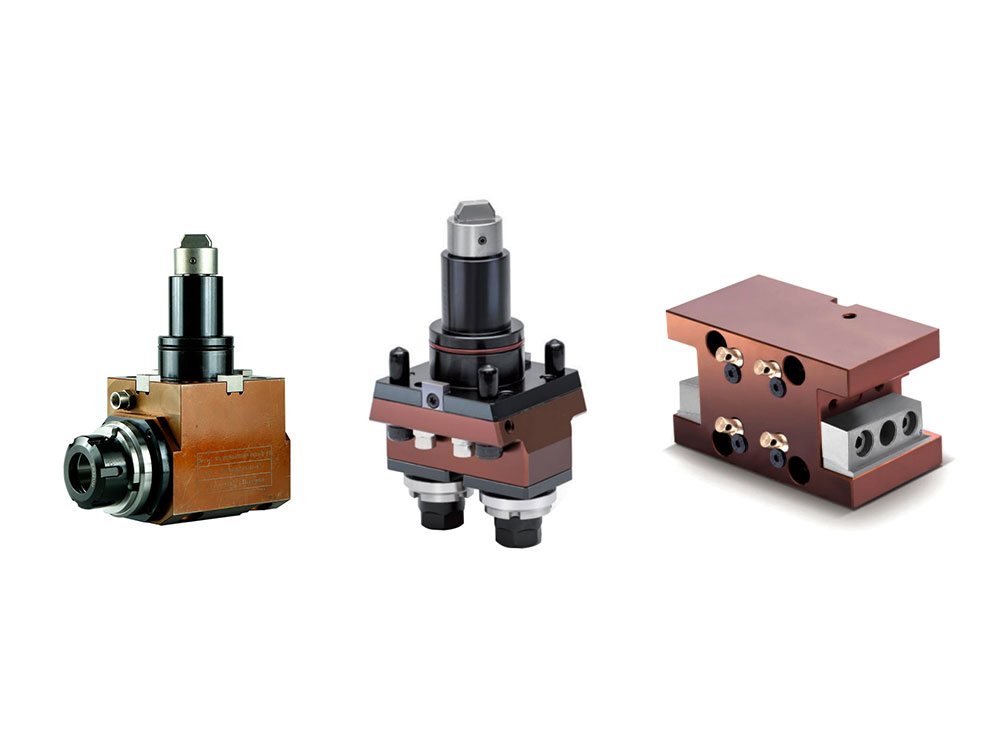
The vertical machining center is limited by the height of the column and the tool changer. It cannot process parts that are too high. It is suitable for processing discs, sleeves, and plate parts. The volume of the workpiece to be processed is relatively small. If the side machining of the workpiece is to be realized, an angle must be added. head or CNC turntable. If a turntable is installed on the worktable that rotates along the horizontal axis, it can be used to process helical parts.
The horizontal machining center can complete the processing of the remaining four surfaces except the installation surface and the top surface after one clamping, which is most suitable for processing box parts, and can realize pentahedron processing after adding an angle head.
Difference 7: price
The price issue is also a concern of customers and friends. The horizontal machining center is more complex than the vertical machining center in terms of processing technology and structure. There are relatively few manufacturers capable of producing horizontal machining centers. The price of horizontal machining centers with the same processing range is twice as high as that of vertical machining centers.
The above is the basic distinction between vertical machining centers and horizontal machining centers.


 Tel: (86 510) 68088084
 Whatsapp: +86-15852791610
 Mailbox: info@wxfagor.com

