
 Email:
  Whatsapp:

Clear records
history record

PRODUCT
CONTACT

What is an industrial robotic arm?
Industrial Robot Arm is a programmable, multi-joint automation device used on the industrial shop floor. It mimics the kinematic structure of the human arm, driving its joints and end-effector (such as grippers, welding torches, spray nozzles, etc.) via a control system to achieve high-precision, high-speed, and high-repeatability operations.
Structure and Components of an Industrial Robot Arm
1.Joints & Links
Each joint is typically driven by a servo motor or servo drive and delivers high torque through a reducer.
Links connect the joints to form a multi‑degree‑of‑freedom (commonly 4‑, 5‑, or 6‑axis) manipulator, defining the arm’s reach and work envelope.
2.End Effector
Depending on process requirements, the end effector can be swapped out for various tools—electric or pneumatic grippers, welding torches, spray guns, polishing wheels, vacuum cups, and more—to perform diverse tasks.
3.Control System
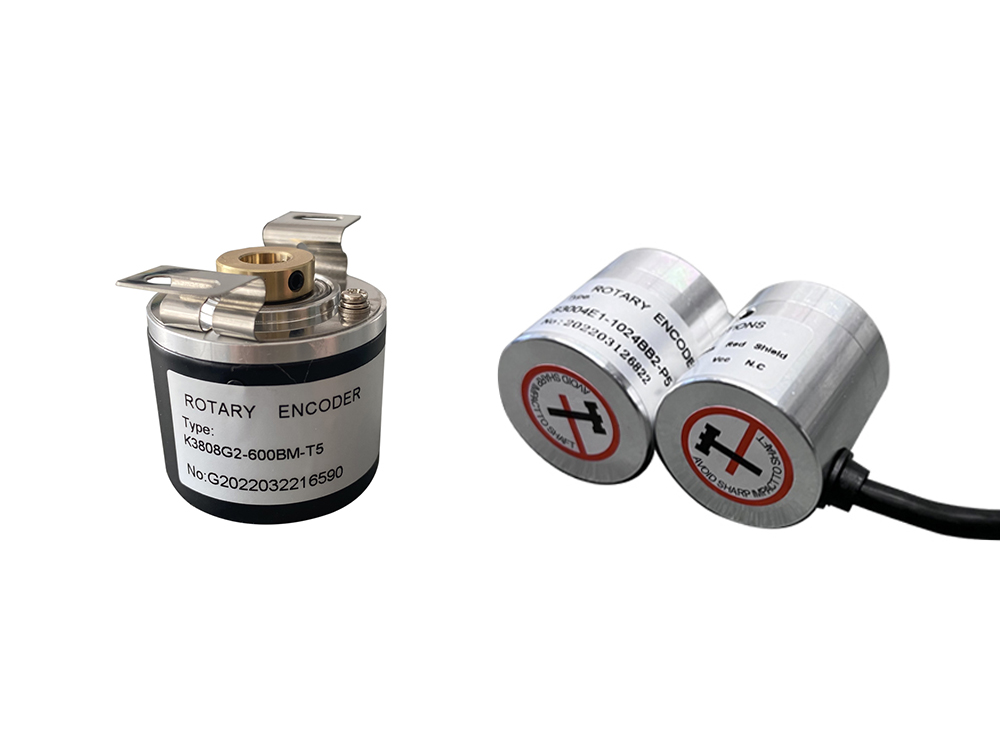
Consists of a main controller (PLC or embedded motion controller), a human‑machine interface (teach pendant), and various sensors (encoders, torque sensors, vision sensors).
Supports advanced functions such as trajectory planning, collision detection, force control, and adaptive compensation.
4.Safety Protection
Works in conjunction with safety fences, light curtains, emergency‑stop buttons, and safety interlocks to ensure human‑robot safety in high‑speed, high‑load applications.
Typical Applications of Industrial Robot Arms
1.Welding Workshops
Spot welding and arc welding, replacing humans in high‑temperature, hazardous tasks.
2.Palletizing & Machine Tending
Transporting heavy pallets or components around the clock.
3.Spraying & Dispensing
Performing uniform spray painting within enclosed booths.
4.Secondary Machining
Machine tending, deburring, and polishing operations.
What is a collaborative robot arm?
A Collaborative Robot Arm, or Cobot, is a lightweight, multi‑joint automation device specifically designed for “shared‑line” operation alongside human workers. By integrating safety‑aware and intelligent control technologies, cobots eliminate the need for the physical barriers required by traditional industrial robots, enabling safe and efficient collaboration within the same workspace. Below is a detailed breakdown from multiple perspectives.
Cobot Core Features:
1.Safety Awareness
Torque/Force Sensors: High‑sensitivity sensors are built into the joints and end effector to monitor collisions or abnormal forces in real time. When a preset threshold is exceeded, the cobot instantly slows down or stops to prevent harm.
Speed & Force Limiting: As the cobot approaches a human or within its collaborative workspace, it automatically reduces speed and acceleration to ensure soft, safe interactions.
2.Lightweight & Compact
Structural Optimization: Uses high‑strength lightweight alloy castings and compact gearbox systems, reducing overall weight by over 30% compared to industrial equivalents of the same payload, facilitating manual repositioning and rapid deployment.
Small Footprint: Flexible arm reach and base designs allow installation at tight workstations, desktops, or around machine tools, maximizing floor space utilization.
3.Ease of Use & Flexibility
Teach‑by‑Hand: Operators can physically guide the cobot through trajectories for teaching without any programming background.
Graphical Programming Interface: Built‑in touchscreen or tablet control lets users define motion sequences, cycle counts, and process parameters via drag‑and‑drop software.
Quick‑Change End Effectors: Standardized quick‑change interfaces support electric grippers, vacuum cups, spray guns, and other tools, adapting to multiple processes.
What is the difference between a robot arm and a cobot?
Industrial Robot:Operates in high‑speed, high‑load conditions with significant collision risk.Requires safety fences, light curtains, and emergency‑stop systems for physical separation from personnel.
High safety protection costs and substantial floor space requirements.
Collaborative Robot (Cobot):Built‑in high‑sensitivity force/torque sensors detect collisions in real time; when thresholds are exceeded, the cobot immediately slows or stops.Uses software speed limits and virtual safety zones (“soft fences”) to enable “co‑located” operation with minimal or no physical guarding.It can collaborate with human workers at “zero distance”, greatly reducing protection investment and space occupancy.
If your production emphasizes heavy‑load handling, high‑speed continuous operation, and high precision, with stable, large‑scale output, industrial robots are the optimal choice.If you seek rapid deployment and flexible manufacturing, wish to reduce safety‑related costs in human‑robot collaboration, and have payload requirements under 20 kg, collaborative robots offer the best cost‑performance ratio.
Robotic arm price range
The cost of a robotic arm varies widely, depending on type, load capacity, accuracy, brand, and additional features.
Robot arm supplier
Wuxi Fagor specializes in supplying a comprehensive range of high-performance robotic solutions, including multi-joint industrial robots and collaborative robots, designed to meet the diverse needs of industrial, commercial, and medical sectors. Our product portfolio is built on platform-based architecture and proprietary technologies, delivering exceptional intelligence, efficiency, and safety.
With ready-to-ship inventory and expert technical support, we ensure rapid response to customer demands and offer reliable, field-proven automation solutions.
We invite you to explore our newly launched product page for detailed technical specifications, real-world application cases, and customized automation offerings — and to take advantage of exclusive pricing on robotic arms.
 Tel: (86 510) 68088084
 Whatsapp: +86-15852791610
 Mailbox: info@wxfagor.com

