
 Email:
  Whatsapp: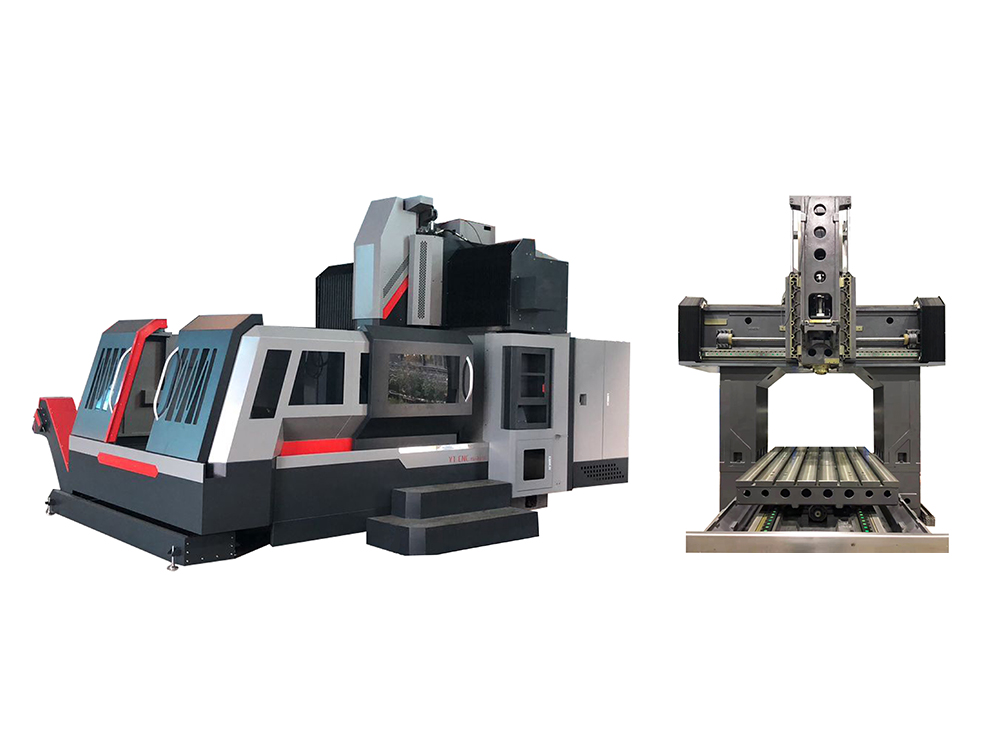

Clear records
history record

News

Related news
Application of Rotary Tailstock in Medical Equipment
Welcome to our latest blog post, where we delve into the exciting world of medical equipment and discover how rotary tailstock is revolutionizing this industry. From surgical devices to diagnostic instruments, the application of this ingenious technology has opened up endless possibilities for healthcare professionals worldwide. Join us on this fascinating journey as we explore the remarkable advantages and promising future prospects of rotary tailstock in medical equipment. So fasten your seatbelts and get ready to dive into a realm where innovation meets precision!
Introduction to Rotary Tailstock
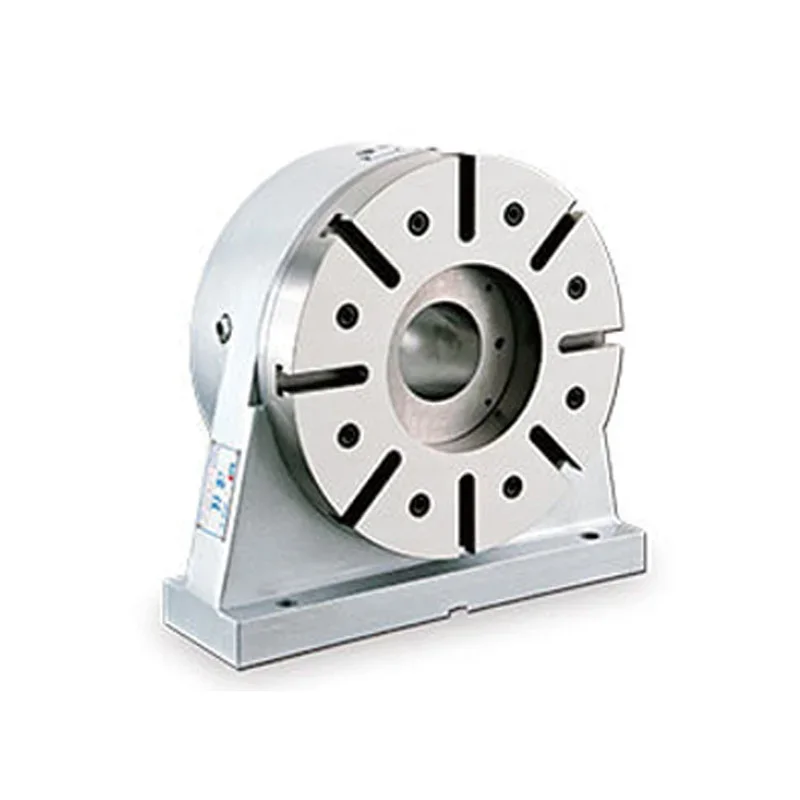
A rotary tailstock is a type of machine tool that uses a rotating spindle to support and hold workpieces while they are being machined. It is commonly used in lathes and milling machines to provide stability during operations such as drilling, reaming, and boring.
The rotary tailstock can be an invaluable tool for medical equipment manufacturers. It provides the necessary support and stability for delicate workpieces, allowing for precise machining with minimal vibration. This makes it ideal for applications such as creating small holes for catheters or needles, or machining sensitive electronic components.
The rotary tailstock can also be used to create smooth, polished finishes on medical devices and components. By using abrasive materials such as diamond dust or ceramic beads, manufacturers can create a high-quality finish that meets the stringent requirements of the medical industry.
Benefits of Using Rotary Tailstocks in Medical Equipment
There are many benefits of using rotary tailstocks in medical equipment. They provide a more precise and efficient way to produce medical equipment. Additionally, rotary tailstocks allow for a greater degree of control over the production process, which results in higher quality products.
Some of the specific benefits of using rotary tailstocks in medical equipment include:
1. Increased accuracy - Rotary tailstocks offer greater accuracy than traditional methods of production. This is due to the fact that they allow for more precise control over the manufacturing process. As a result, medical equipment produced with rotary tailstocks is more accurate and reliable.
2. Greater efficiency - Rotary tailstocks are much faster than traditional methods of production. This means that more medical equipment can be produced in a shorter period of time, which leads to increased efficiency and productivity.
3. Higher quality products - The increased accuracy and efficiency of rotary tailstocks results in higher quality products. Medical equipment produced with rotary tailstocks is less likely to contain defects or be faulty in any way.
Applications of Rotary Tailstocks in Medical Equipment
There are many potential applications for rotary tailstocks in medical equipment. For example, they could be used to support long, thin tubes during medical procedures such as angiography or endoscopy. Rotary tailstocks could also be used to provide smooth and precise movement of small objects during delicate procedures such as microsurgery.
In addition, rotary tailstocks could be used to create custom-sized medical implants and prosthetics. This would allow for a better fit and greater comfort for patients. Additionally, it would allow for a more efficient use of materials, as implant and prosthetic sizes would no longer need to be standardized to accommodate the majority of patients.
Rotary tailstocks could be used in the production of medical devices and equipment. This would allow for more accurate and consistent production, as well as shorter lead times and reduced costs.
Common Specifications for Rotary Tailstocks Used in Medical Equipment
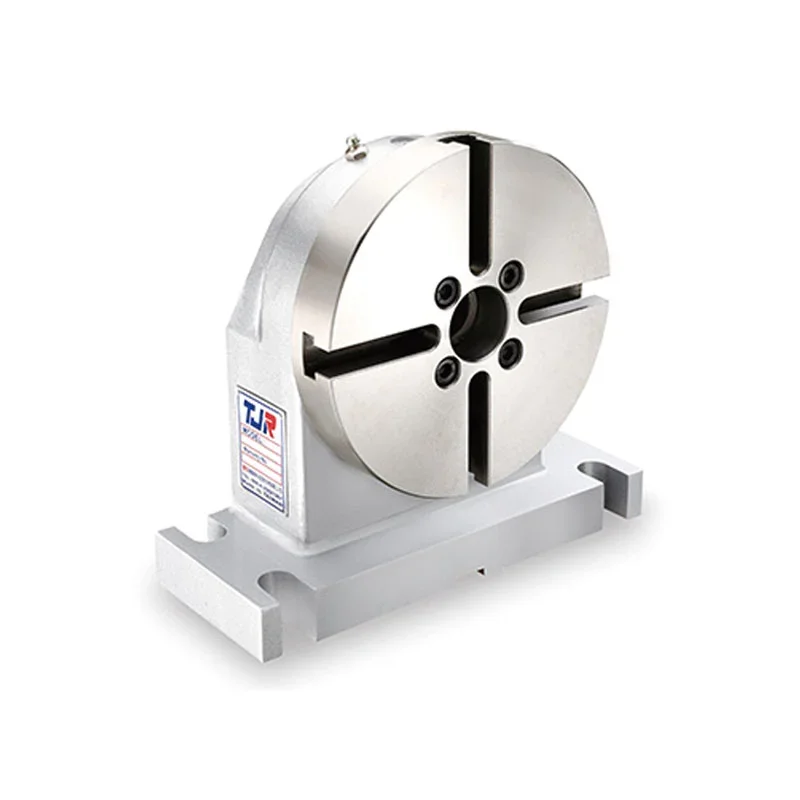
There are various types of rotary tailstocks used in medical equipment. The most common ones include:
1. CNC rotary tailstock: This type of tailstock is computer controlled and is mainly used for holding and machining workpieces with complex shapes.
2. Hydraulic rotary tailstock: This type of tailstock uses hydraulic power to move the workpiece and is mainly used for heavy duty machining applications.
3. Pneumatic rotary tailstock: This type of tailstock uses compressed air to move the workpiece and is mainly used in light duty machining applications.
4. Manual rotary tailstock: This type of tailstock requires manual operation and is mainly used for precision workpieces.
5. Magnetic rotary tailstock: This type of tailstock uses magnets to hold the workpiece in place and is mainly used for holding pieces while machining.
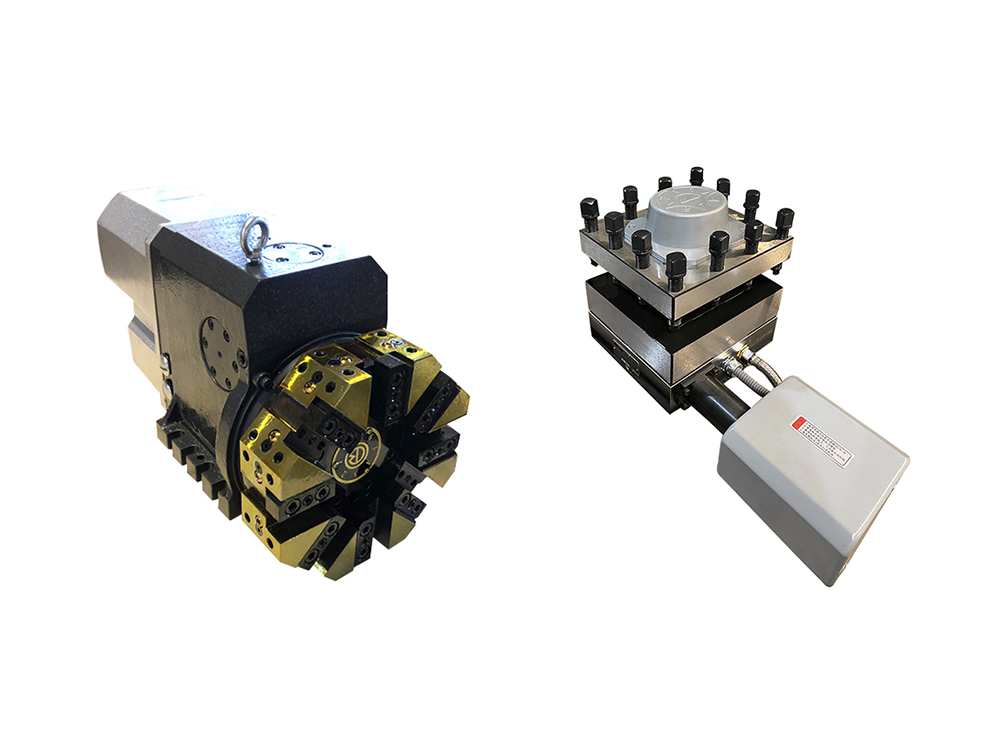
In terms of design specifications, all types of rotary tailstocks typically include a base, a base plate, an outer sleeve, an inner sleeve and a spindle. The diameter of these components, as well as the overall length and weight of the device may vary depending on the specific application.
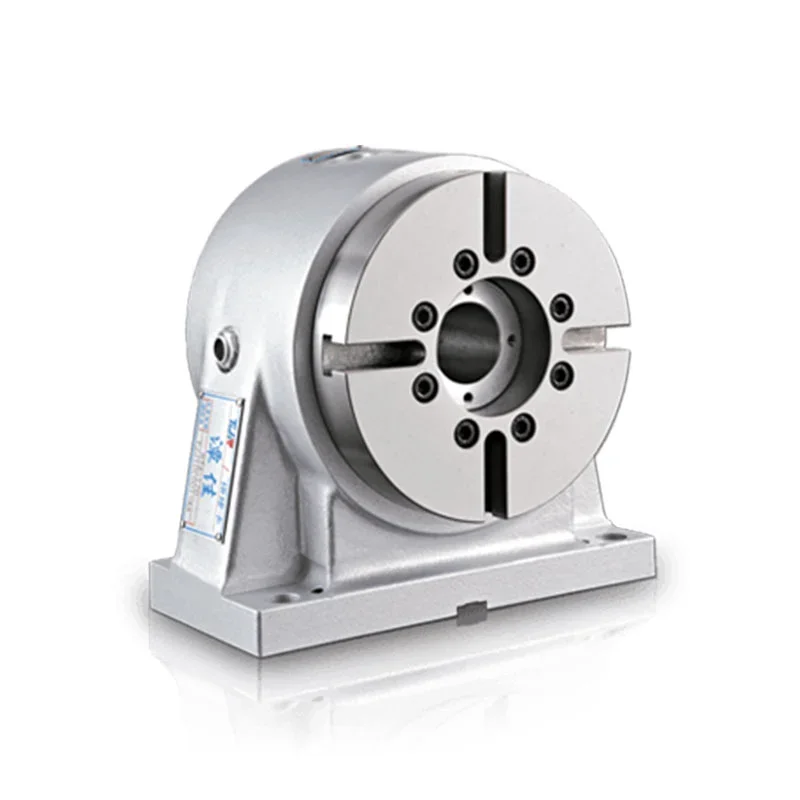
Challenges of Implementing Rotary Tailstocks in Medical Equipment
One of the challenges of implementing rotary tailstocks in medical equipment is that they can add significant cost to the overall production process. In addition, rotary tailstocks can be delicate and require skilled operators to avoid damaging them.
Conclusion
As we can see, rotary tailstocks have many applications in the medical equipment industry. They are used to create intricate parts for surgical and diagnostic tools, as well as providing stability and accuracy for precision instruments. Rotary tailstocks offer a unique solution that can help medical engineers achieve their desired results efficiently and effectively. With its versatile design, it is no wonder why this type of technology has become so popular in recent years.
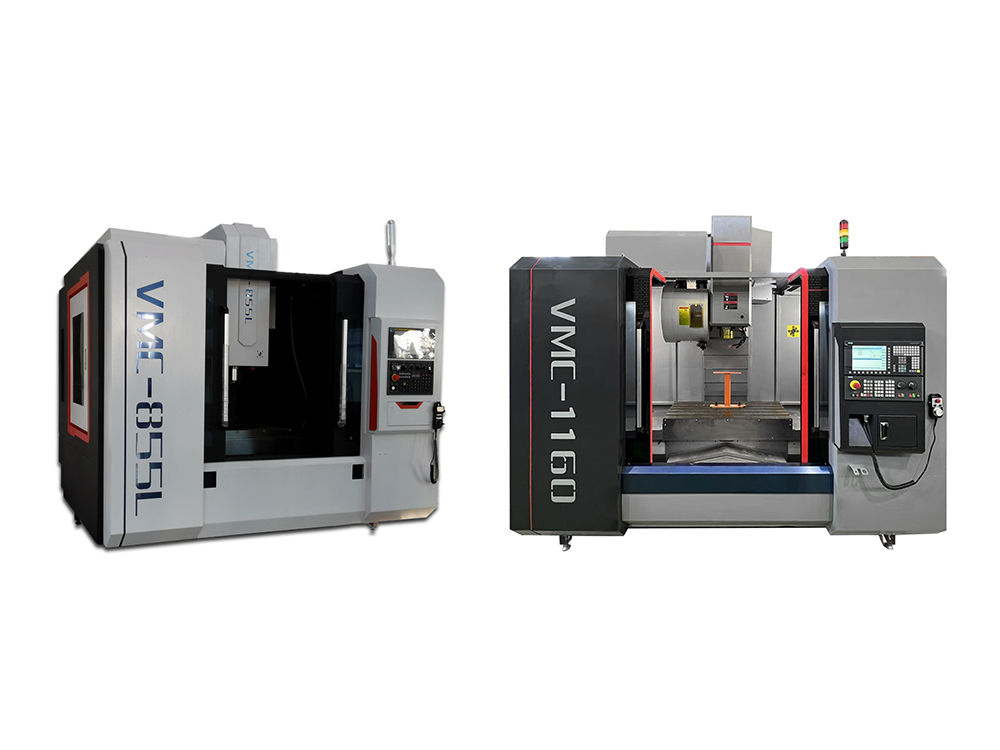
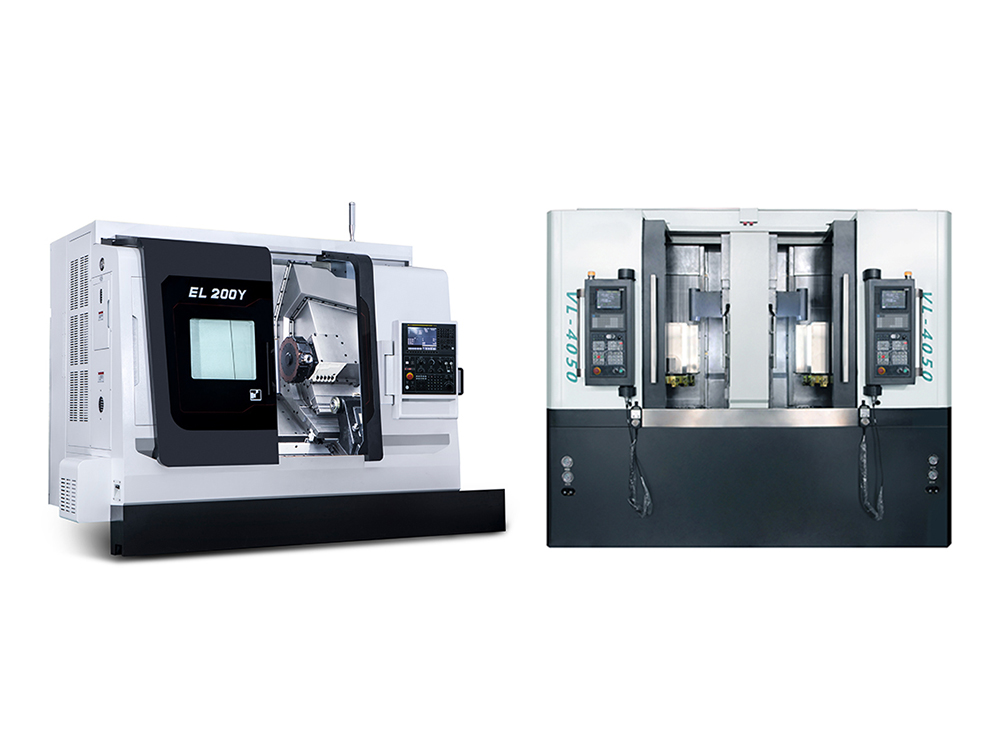
Wuxi Fagor technology Co., Ltd. is a professional supplier which is specialized in production, testing and sales of high quality and high precision Rotary Tailstock, including CNC gantry milling machine, CNC milling machine, CNC lathe, machine tool accessories, etc.
Welcome to inquiry if you need to know more about Rotary Tailstock details or order wholesale.jason@wxfagor.com


 Tel: (86 510) 68088084
 Whatsapp: +86-15852791610
 Mailbox: info@wxfagor.com

