
 Email:
  Whatsapp: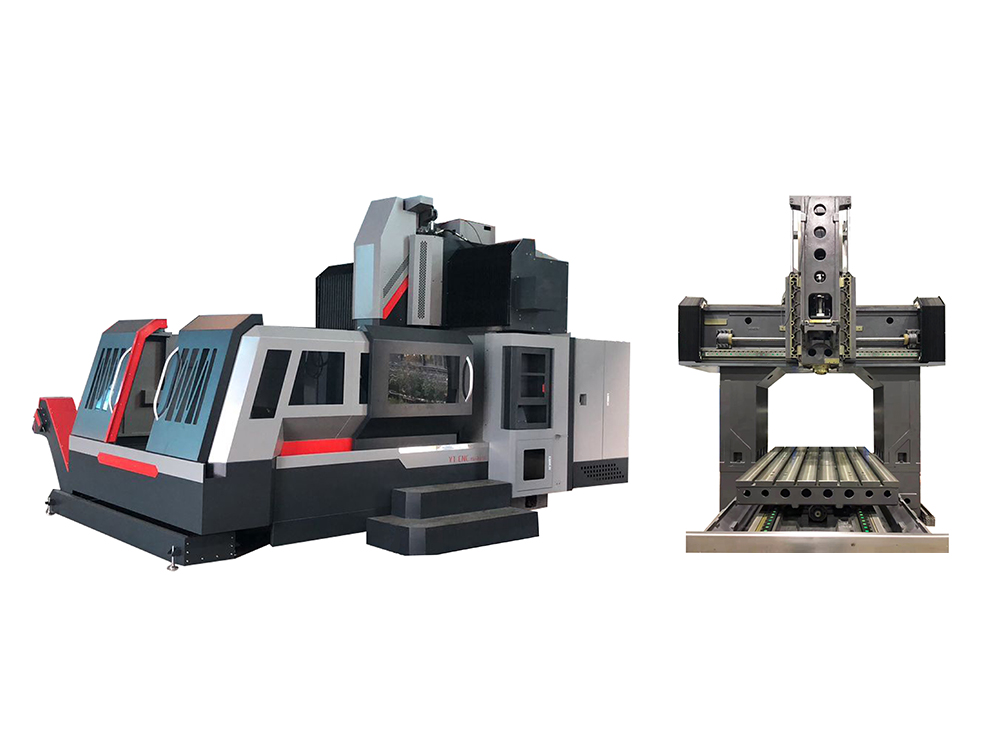

Clear records
history record

News

Related news
Mastering the Lathe Turret: A Comprehensive Guide
Definition and Purpose of Lathe Turrets
Lathe turrets are essential components in the field of metalworking, particularly in turning operations. A lathe turret is a part of a lathe machine that holds multiple cutting tools, allowing for quick tool changes and enhanced machining efficiency. These turrets can be indexed, meaning they rotate to position the desired tool in the operational area without manual intervention. This functionality is crucial for automating repetitive tasks, reducing downtime, and increasing overall productivity in manufacturing processes.
Historical Overview and Evolution of Turret Lathes
The concept of the turret lathe dates back to the 19th century when the need for more efficient manufacturing methods became apparent during the Industrial Revolution. Initially, turret lathes were manually operated, with the turret indexed by hand. Over time, advancements in automation and control systems have led to the development of CNC (Computer Numerical Control) turret lathes, which offer precision and efficiency that manual operations cannot match. The evolution of turret lathes has paralleled advancements in technology, incorporating features such as programmable logic controllers (PLCs) and advanced software for improved accuracy and versatility.
Advantages of Using Lathe Turrets in Metalworking
Lathe turrets offer several advantages in metalworking, making them indispensable in modern manufacturing environments. Firstly, they significantly reduce the setup time required for switching tools, as the turret can quickly index to the next tool in sequence. This improves workflow and minimizes machine downtime. Secondly, the precision and repeatability of CNC turret lathes ensure consistent part quality, which is critical in industries such as aerospace and automotive manufacturing. Additionally, the ability to hold multiple tools allows for complex machining operations to be performed without the need for multiple machines, saving both space and investment costs. Lastly, the automation capabilities of modern turret lathes enhance safety by reducing the need for manual intervention, thereby minimizing the risk of operator error and accidents.
Types of Lathe Turrets
Lathe turrets are crucial components in modern metalworking, providing versatility and efficiency. They come in various types, each suited for specific machining tasks and requirements. Here, we delve into the different types of lathe turrets, explaining their unique features and applications.
Horizontal and Vertical Turrets
Horizontal Turrets are mounted parallel to the lathe bed, allowing tools to be positioned horizontally. This setup is particularly advantageous for turning operations on larger workpieces, where stability and support are essential. Horizontal turrets are commonly used in traditional turning centers and offer ease of access for tool changes.
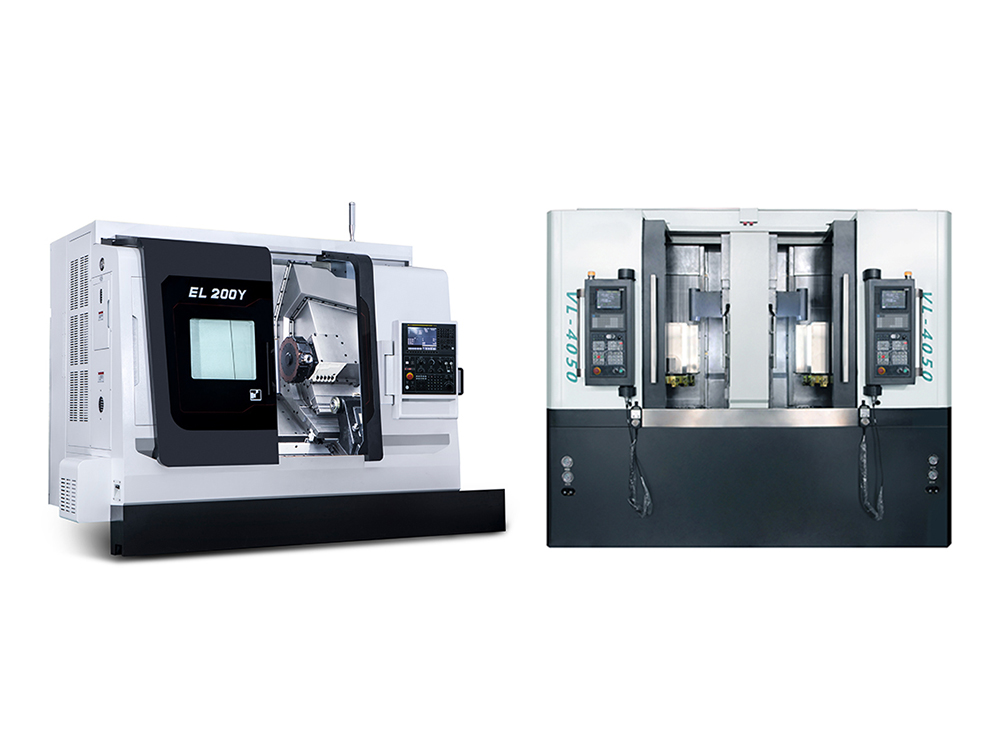
Vertical Turrets, on the other hand, are mounted perpendicular to the lathe bed. This orientation is beneficial for machining operations that require multiple tool changes and complex geometries. Vertical turrets are often found in vertical turning lathes (VTLs) and are ideal for tasks such as facing, boring, and drilling on large, heavy workpieces.
Disc Turrets and Drum Turrets
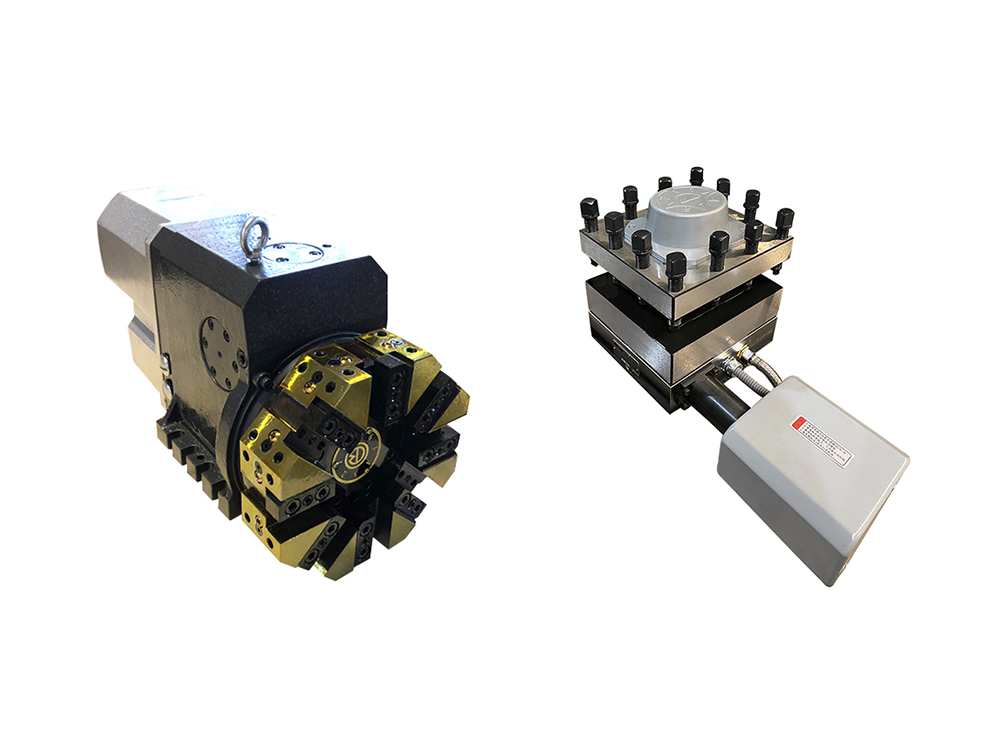
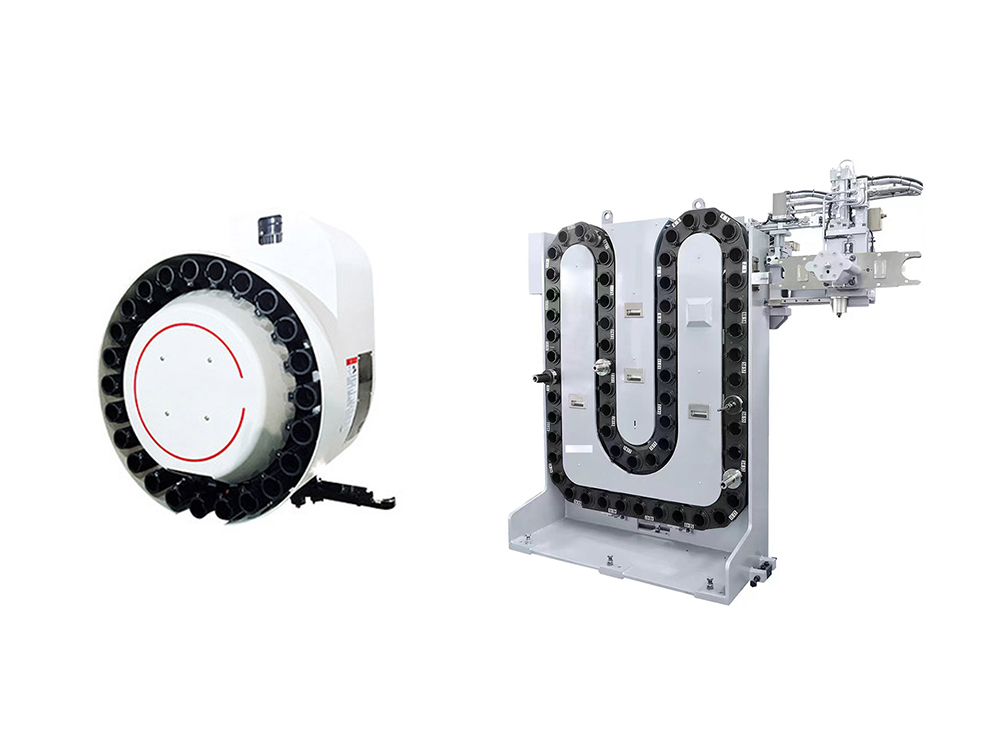
Disc Turrets feature a circular disc where multiple tool holders are positioned around its circumference. This design allows for quick tool indexing and is suitable for high-speed machining operations. The disc turret’s compact structure makes it a popular choice for CNC lathes, where precision and speed are paramount.
Drum Turrets resemble a drum with tool holders mounted around its surface. As the turret rotates, different tools can be brought into the working position. Drum turrets are known for their robustness and ability to handle heavy-duty machining tasks. They provide a larger tool capacity compared to disc turrets, making them ideal for operations that require frequent tool changes.
Fixed and Indexable Turrets
Fixed Turrets have a set number of tool stations that do not move or rotate. Each tool is positioned in a fixed location, and the workpiece is manipulated to bring different tools into contact. Fixed turrets are simple in design and are typically used in less complex machining tasks where fewer tool changes are needed.
Indexable Turrets can rotate to index different tools into the working position. This type of turret allows for greater flexibility and efficiency in machining operations, as tools can be quickly switched without manual intervention. Indexable turrets are a staple in CNC lathes, enabling complex and multi-step machining processes.
Live and Static Turrets
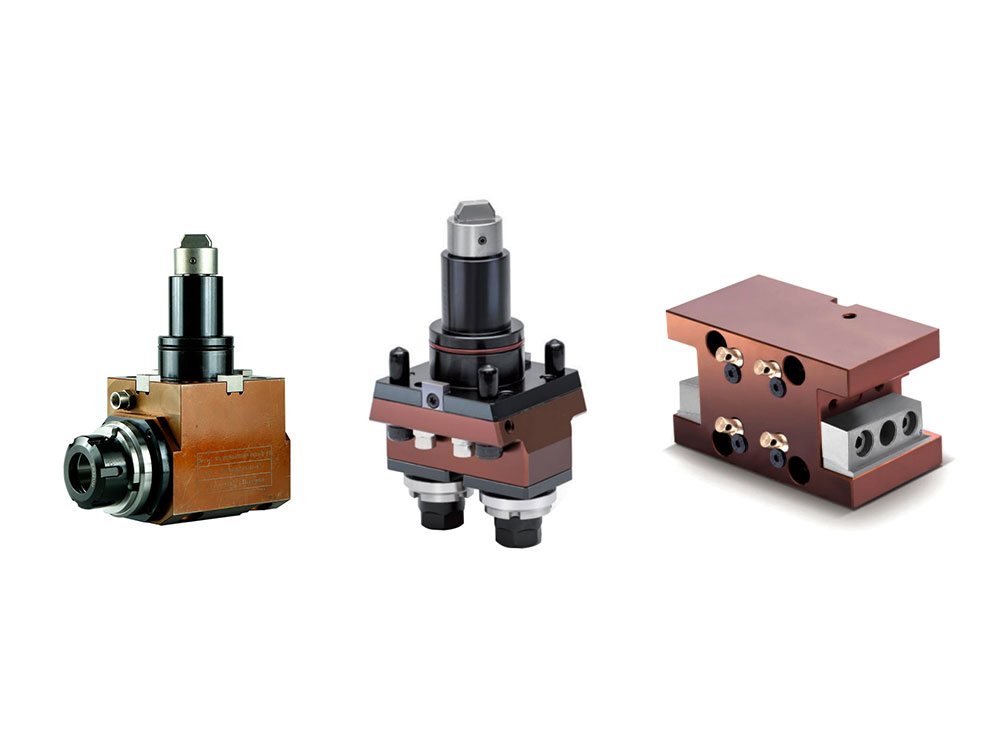
Live Turrets are equipped with driven tools that can rotate and perform additional operations such as milling, drilling, and tapping. This capability transforms the lathe into a multifunctional machine, reducing the need for multiple setups and enhancing productivity. Live turrets are essential in advanced CNC lathes for executing intricate and precise machining tasks.
Static Turrets, in contrast, hold non-rotating tools that are used solely for turning operations. While they lack the versatility of live turrets, static turrets are simpler and more cost-effective. They are suitable for straightforward turning tasks where additional milling or drilling is not required.
In summary, the various types of lathe turrets cater to different machining needs, from simple turning operations to complex, multi-axis machining tasks. Understanding the distinctions between these turrets helps in selecting the right lathe for specific metalworking applications, ensuring optimal performance and efficiency.
Design and Construction
Materials Used in Turret Manufacturing
Lathe turrets are essential components in metalworking machinery, designed to withstand significant stress and wear. The materials used in their construction are chosen for their durability, strength, and resistance to deformation. High-grade alloy steels are commonly used due to their excellent mechanical properties and ability to be hardened through heat treatment processes. Additionally, some turrets may incorporate materials like cast iron for its excellent vibration damping properties, which helps in maintaining precision during high-speed operations.
Turret Indexing Mechanisms
The indexing mechanism in a lathe turret is crucial for the accurate positioning of tools. These mechanisms can be mechanical, hydraulic, or servo-driven, each offering different levels of precision and reliability. Mechanical indexing often uses a Geneva drive or a ratchet and pawl system, providing robust and straightforward operation. Hydraulic systems use fluid power to achieve smooth and rapid indexing, while servo-driven systems offer the highest precision, utilizing feedback systems to ensure exact positioning of the turret.
Tool Holding Systems (Tool Posts, Quick-Change Toolholders)
Tool holding systems are designed to securely hold cutting tools in place during operations. Traditional tool posts are sturdy and allow for manual tool changes, which can be time-consuming. In contrast, quick-change toolholders significantly reduce downtime by allowing operators to switch tools rapidly. These systems use standardized holders that can be easily swapped out, maintaining alignment and precision without the need for recalibration. Quick-change systems are especially beneficial in high-mix, low-volume production environments where frequent tool changes are necessary.
Coolant Delivery Systems
Effective coolant delivery is vital in machining processes to manage heat and ensure the longevity of tools and workpieces. Turret design often incorporates integrated coolant delivery systems that direct coolant precisely where it is needed. These systems can be programmable, providing variable flow rates and targeting specific points of the cutting tool and workpiece. Efficient coolant delivery not only improves tool life but also enhances surface finish quality and reduces thermal deformation of the workpiece. Advanced systems may include features like high-pressure coolant delivery and mist cooling for specialized applications.
These elements collectively contribute to the efficiency, precision, and versatility of lathe turrets in modern metalworking operations, ensuring they meet the demanding needs of various industries.
CNC Lathe Turret Supplier - Fagor
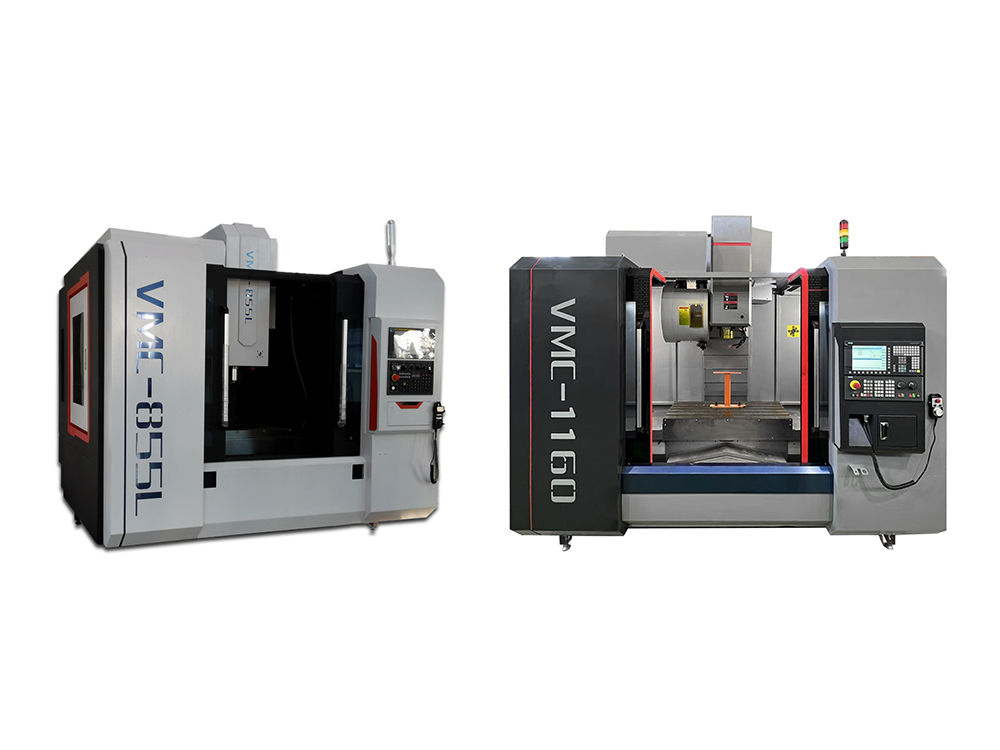
Wuxi Fagor Technology Co., Ltd. is a specialized supplier dedicated to the production, testing, and sales of high-quality, high-precision CNC machine tools. The company offers robust technical support, excellent after-sales service, and competitive pricing. Their product range includes not only lathe turrets but also gantry machining centers, vertical machine center, and more.
As a supplier and exporter of CNC lathe turrets, Wuxi Fagor Technology Co., Ltd. ensures that each product meets stringent quality standards and provides reliable performance for various industrial applications. With a strong emphasis on innovation and customer satisfaction, the company has established itself as a trusted name in the CNC machinery industry.


 Tel: (86 510) 68088084
 Whatsapp: +86-15852791610
 Mailbox: info@wxfagor.com

