
 Email:
  Whatsapp:

Clear records
history record

News
Related news
What is a Lathe Turret and How Does It Work ?
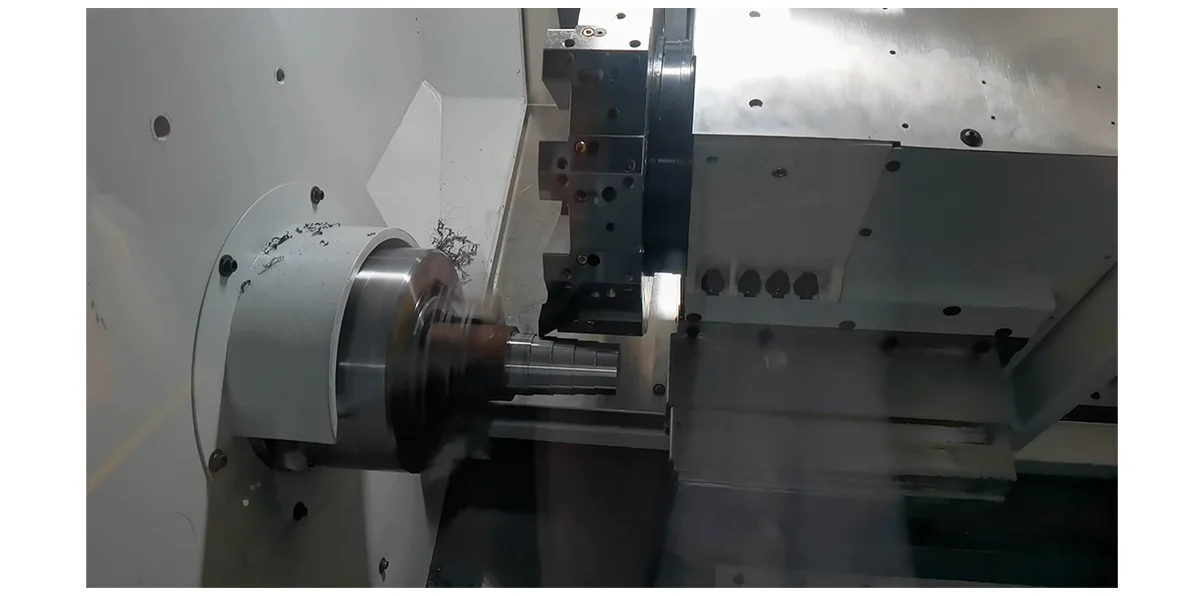
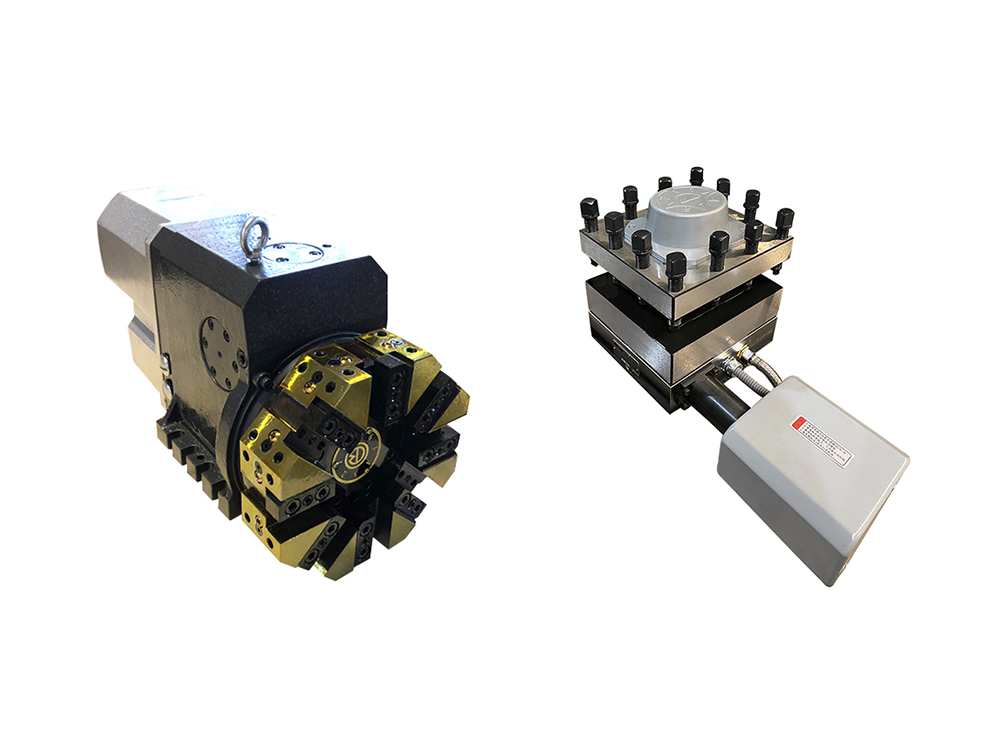
A lathe turret is a key component used in CNC (Computer Numerical Control) lathes and other types of machining centers, designed to enhance the functionality and versatility of these machines. The basic concept behind a lathe turret is to house multiple tool holders within a single assembly, allowing the machine to perform various operations like cutting, drilling, and tapping without needing manual tool changes.
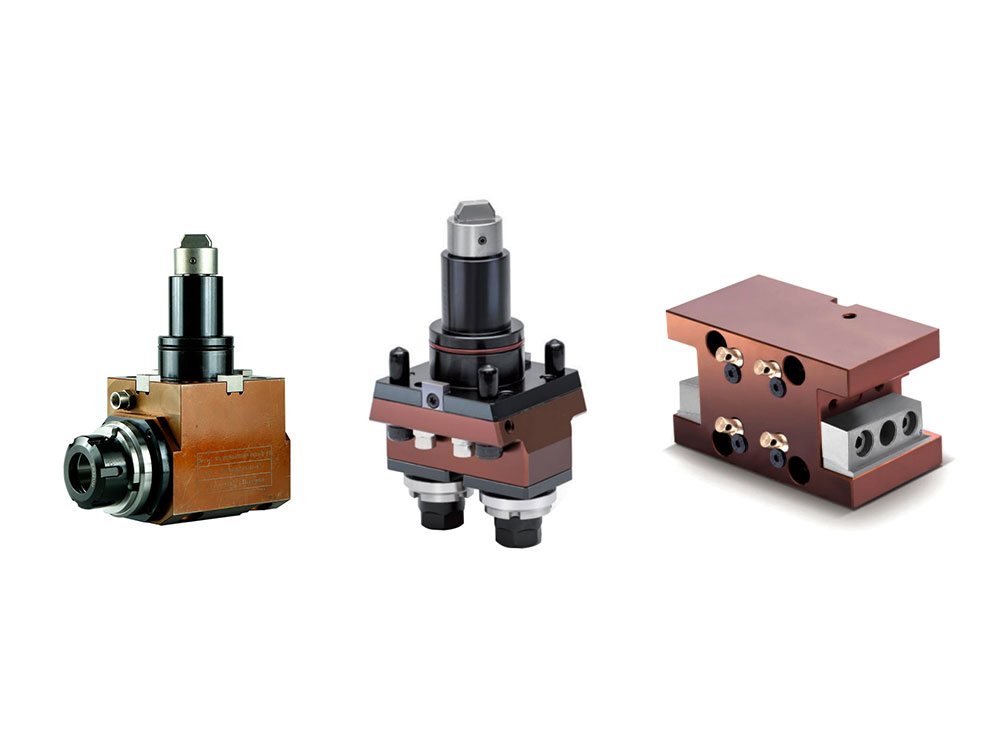
Design of the Turret: The turret itself is a robust, rotatable unit that can hold several tools at once. Typically, it is mounted on the lathe’s carriage, where it can move longitudinally and laterally. Turrets can be of various shapes, such as disk, drum, or crown type, each providing a different number of tool positions.
Indexing Mechanism: Indexing refers to the turret’s ability to rotate and position a new tool into the cutting position. This is controlled by a servo motor, which drives the rotation to precise angles. The indexing mechanism is crucial for minimizing transition time between operations. It uses a locking system to ensure that the tool is securely fixed during operation and precisely aligned for accuracy.
Types of Tools It Can Hold: Turret lathes are highly adaptable due to their ability to hold a variety of tool types. Common tools include drills, taps, end mills, and threading dies. Some turrets also accommodate tool holders for specialized operations, providing flexibility to perform complex machining tasks on a single machine.
Benefits of Using a Lathe Turret
Using a lathe turret offers significant advantages over standard lathes, primarily in terms of efficiency and productivity. Here are some of the key benefits:
Increased Efficiency and Productivity: With multiple tools readily available in the turret, the need for frequent tool changes is drastically reduced. This capability allows for continuous machining processes without interruption, significantly speeding up production.
Reduced Setup Time: Pre-loading tools into the turret minimizes setup times between production runs. Operators can set up all necessary tools in the turret before beginning the machining process, which is especially beneficial in high-volume production settings.
Faster Production of Complex Parts: The ability to quickly switch between tools not only speeds up production but also facilitates the creation of complex parts with multiple features. This is ideal for industries requiring high precision and detail, such as aerospace or automotive manufacturing, where different operations can be seamlessly integrated into a single machining sequence.
Overall, a lathe turret enhances the capabilities of a lathe, making it more suitable for modern manufacturing requirements by reducing labor costs, increasing throughput, and maintaining high precision across varied machining tasks.
A Brief History of the Lathe Turret and Its Development
The lathe turret represents a significant evolution in the machining world, with its development marking a pivotal advancement in industrial manufacturing. The concept of the turret lathe is rooted in the need for more efficient production methods, especially during the Industrial Revolution when mass production began to take hold.
Early Beginnings: The earliest versions of turret lathes can be traced back to the early 19th century. The first documented turret lathe was developed by Stephen Fitch in 1845. His design featured a square turret that could hold multiple tools, revolutionizing the way tasks were performed on a lathe by reducing the need for manual tool changes.
Technological Advancements: The introduction of the turret lathe was closely followed by further innovations. One of the key developments was the integration of the indexing turret, first seen in the models designed by companies like Pratt and Whitney in the late 19th century. These models improved upon Fitch’s design by incorporating a rotating turret, which enabled even quicker tool changes and more complex machining operations.
Mid-20th Century Innovations: By the mid-20th century, the turret lathe had evolved significantly. The advent of CNC technology in the 1950s and 1960s brought about the computer-controlled turret lathe, vastly enhancing the precision, speed, and capabilities of these machines. These CNC turret lathes allowed for more precise control over the machining process, with computer programming replacing manual adjustments.
Modern Developments: Today, modern lathe turrets are highly sophisticated components of CNC lathes and turning centers. They feature advanced capabilities such as motorized tooling and live tooling that allow for operations like milling and drilling to be performed in conjunction with turning. The modern turret can also interact with digital manufacturing systems, supporting automated production lines with minimal human intervention.
The development of the lathe turret has been driven by a continuous pursuit of efficiency and precision in manufacturing, reflecting the broader trends in industrial technology and production strategies.
Purchasing a Lathe Turret in Europe: The Fagor CNC Advantage
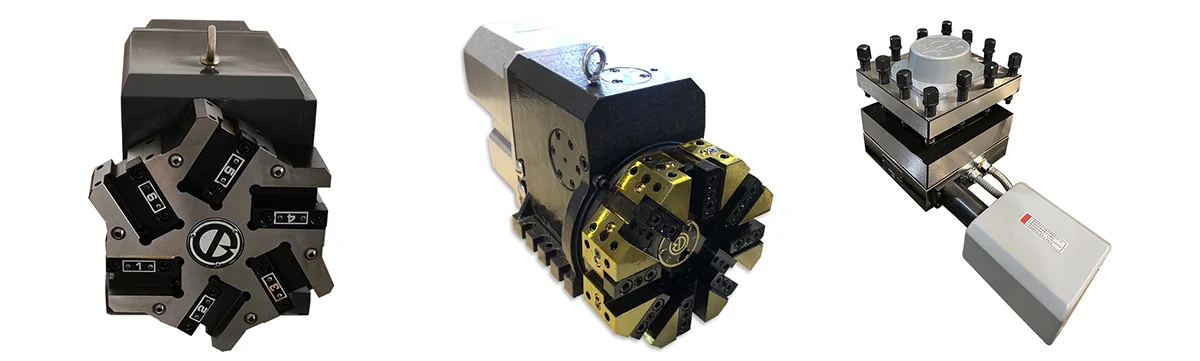
When looking to buy lathe turret in Europe, choosing the right supplier is crucial for ensuring quality, reliability, and comprehensive support. One standout provider in this region is Fagor CNC, a company renowned for its high-quality machining solutions and expansive distribution network. Fagor CNC exports to all countries across Europe, making it a convenient and accessible option for businesses throughout the continent.
Why Choose Fagor CNC? Fagor CNC stands out due to its commitment to innovation and customer service. Their lathe turrets are designed with the latest machining technology, offering superior performance and durability. Whether you are involved in the automotive, aerospace, or any precision-dependent industry, Fagor CNC provides tailored solutions to meet diverse manufacturing needs.
Comprehensive Export Services: One of Fagor CNC’s significant advantages is its capability to export to all European countries. This wide-reaching service ensures that regardless of your location within Europe, you can easily buy lathe turret in Europe with the assurance of timely delivery and local support. Fagor CNC’s extensive network of distributors and service centers across Europe also means that customers have access to prompt after-sales service and technical support.
Product Range and Customization: Fagor CNC offers a variety of lathe turrets, each configurable to specific industry requirements. Their products are known for their robust construction and precision, providing the reliability that modern manufacturers demand.
Support and Training: To complement their high-quality products, Fagor CNC also offers comprehensive training and support. This ensures that customers not only receive a product but also the knowledge and resources necessary to optimize its use in their specific operational contexts.
For businesses throughout Europe seeking a reliable, high-quality lathe turret, Fagor CNC is an excellent choice. Their commitment to exporting across Europe and providing top-tier products and support makes them a leader in the machining industry.
Applications of Lathe Turrets
Lathe turrets are versatile tools in machining, used to produce a wide array of parts across various industries. This section explores some typical applications and the industries that benefit from the use of lathe turrets.
Examples of Parts Made on Lathe Turrets:
· Automotive Components: These include gears, axles, and transmission parts, which require high precision and repeatability.
· Aerospace Parts: Components such as hydraulic pistons and landing gear fittings are commonly produced on lathe turrets due to the need for complex geometries and tight tolerances.
· Electronics: Smaller, intricate components like connectors and enclosures are efficiently manufactured with the high-speed capabilities of turret lathes.
· Medical Devices: These include screws, implants, and other critical precision instruments used in medical procedures.
Industries That Use Lathe Turrets:
· Automotive Manufacturing: Relies on turret lathes for rapid production of durable parts.
· Aerospace: Uses these machines for their ability to produce complex and high-strength parts.
· Electronics: Benefits from the precise and repetitive production capabilities for small parts.
· Medical Industry: Values the high precision and reliability for producing critical medical devices.
Manual vs. CNC Turret Lathes
The choice between manual and CNC turret lathes impacts productivity, precision, and usability. This section discusses the key differences, advantages, and disadvantages of each type.
Manual Turret Lathes:
· Operation: These lathes require direct manual control by the operator to perform machining tasks.
· Advantages: They are less expensive than CNC models and are useful for simple tasks or where manual finishing is preferred. They also provide hands-on training for machinists.
· Disadvantages: Manual lathes require higher skill levels and are more labor-intensive. They also lack the precision and repeatability of CNC machines, making them less suitable for complex or high-volume production.
CNC Turret Lathes
· Operation: CNC lathes are controlled by computer programs, which dictate tool movement and operations, allowing for automated and highly precise machining.
· Advantages: These lathes offer superior precision, consistency, and efficiency. They can handle complex parts and designs with minimal human intervention, reducing the potential for error and increasing production speed.
· Disadvantages: CNC lathes are more expensive in terms of initial investment and maintenance. They also require operators to have specific programming skills and knowledge.
Overall, the choice between manual and CNC turret lathes depends on the specific requirements of the production environment, including budget, part complexity, and volume of production.


 Tel: (86 510) 68088084
 Whatsapp: +86-15852791610
 Mailbox: info@wxfagor.com

