
 Email:
  Whatsapp:

Clear records
history record

News

Related news
What is the difference between a slant bed CNC lathe and a flat bed CNC lathe?
Machine tool layout comparison
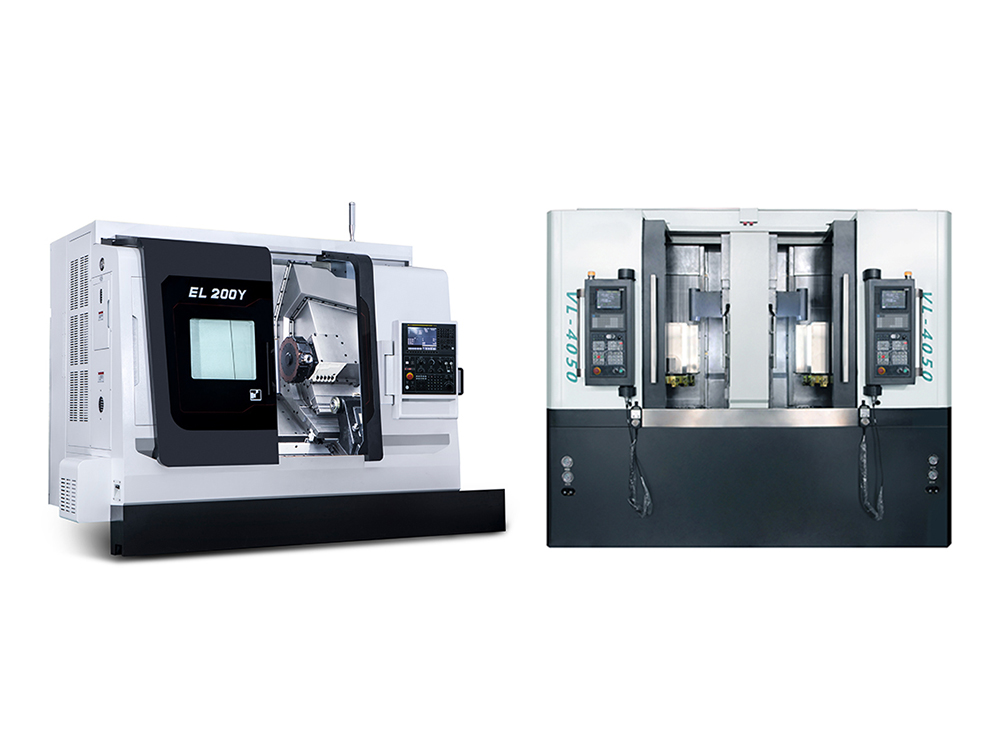
The plane of the two guide rails of the flat bed CNC lathe is parallel to the ground plane. The plane of the two guide rails of the CNC lathe with inclined bed intersects with the ground plane to form an inclined plane with angles of 30°, 45°, 60°, and 75°. From the side of the machine tool, the bed of the flat bed CNC lathe is square, and the bed of the inclined bed CNC lathe is a right triangle. Obviously, in the case of the same guide rail width, the X-direction carriage of the inclined bed is longer than that of the flat bed, and the practical significance of applying it to the lathe is that more tool positions can be arranged.
Cutting rigidity comparison
The cross-sectional area of the CNC lathe with inclined bed is larger than that of the flat bed of the same specification, that is, the resistance to bending and torsion is stronger. The tool of the CNC lathe with inclined bed is to cut downward at the oblique top of the workpiece. The cutting force is basically the same as the direction of gravity of the workpiece, so the spindle runs relatively smoothly and is not easy to cause cutting vibration. The cutting force generated by the workpiece is 90° with the workpiece gravity, which is easy to cause vibration.
Machining accuracy comparison
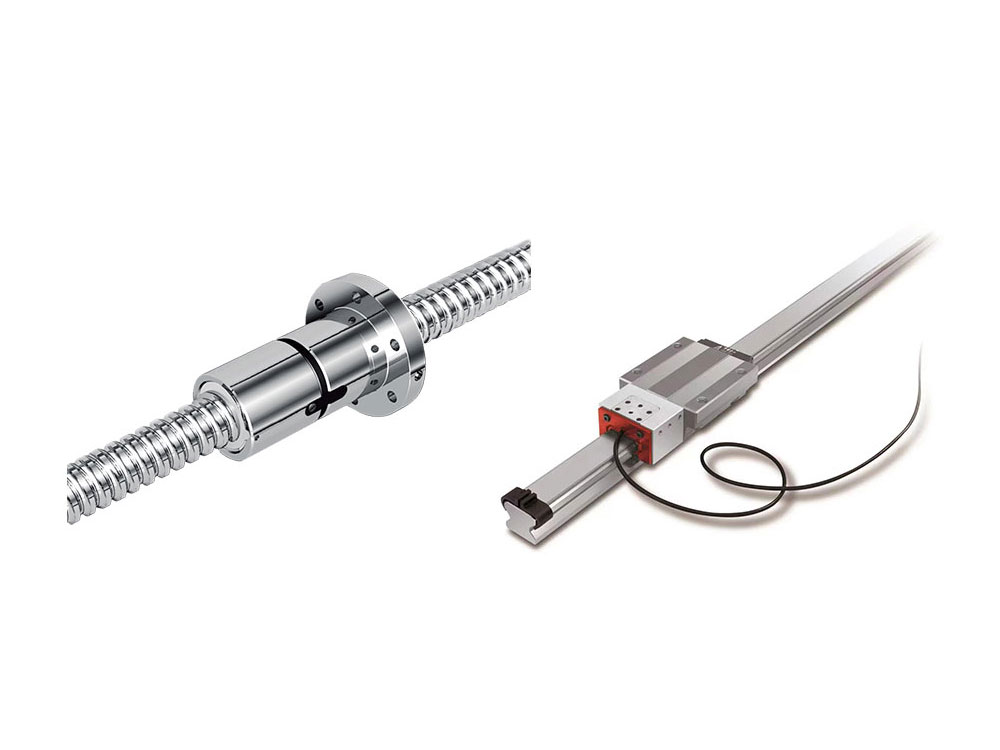
The transmission screw of the CNC lathe is a high-precision ball screw. The transmission gap between the screw and the nut is very small, but it does not mean that there is no gap, but as long as there is a gap, when the screw moves in one direction, it is driven in the opposite direction. When there is a backlash, it will inevitably generate backlash, which will affect the repeated positioning accuracy of the CNC lathe, thereby affecting the machining accuracy. The layout of the CNC lathe with inclined bed can directly affect the clearance of the ball screw in the X direction, and the gravity directly acts on the axial direction of the screw, so that the backlash during transmission is almost zero. The X-direction screw of the flat bed CNC lathe is not affected by the axial gravity, and the gap cannot be directly eliminated. This is the inherent precision advantage that the design brings to the CNC lathe with inclined bed.
Chip removal capability comparison
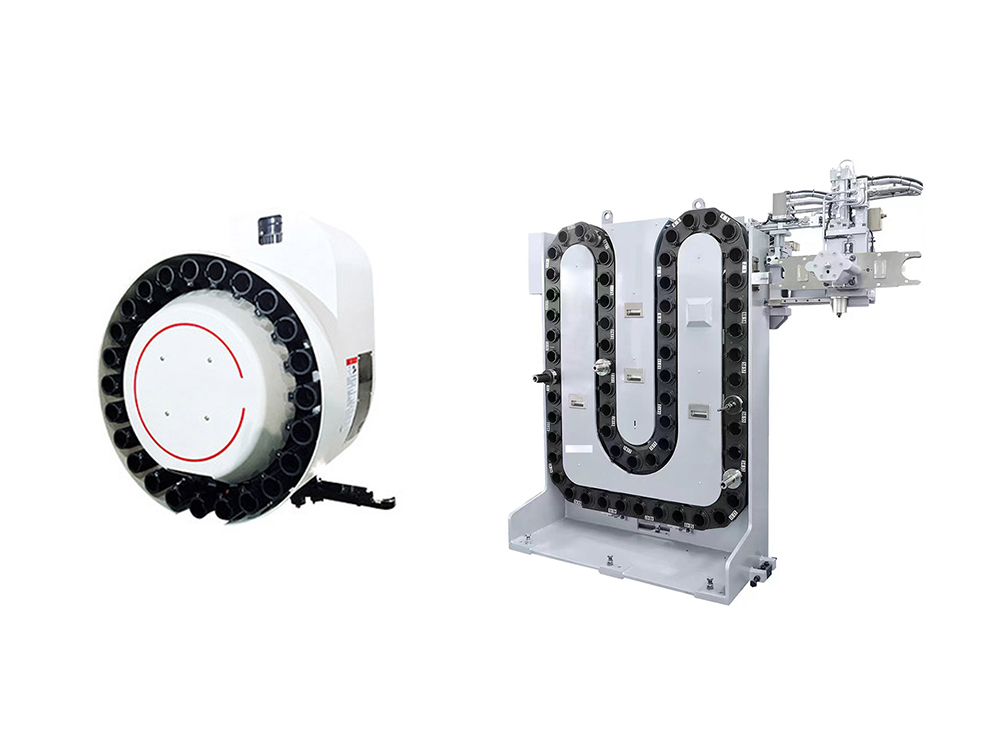
Due to the relationship of gravity, the CNC lathe with inclined bed is not easy to produce winding tools, which is conducive to chip removal; at the same time, with the central screw and guide rail protection sheet metal, chips can be prevented from accumulating on the screw and guide rails. CNC lathes with inclined bed are generally equipped with automatic chip removal machines, which can automatically remove chips and increase the effective working time of workers. The structure of the flat bed is difficult to add an automatic chip conveyor.
Automatic production comparison
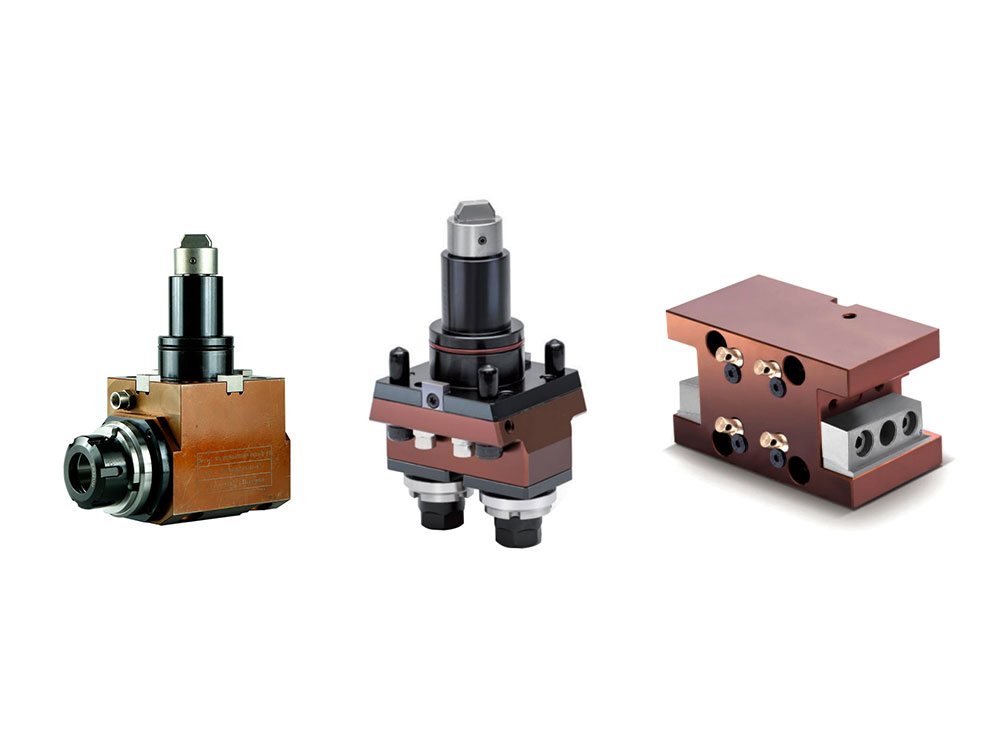
The increase in the number of machine tools and the configuration of automatic chip removal machines are actually laying the foundation for automated production. One person on duty for multiple machine tools has always been the direction of machine tool development. The CNC lathe with inclined bed is further equipped with a milling power head, an automatic feeding machine or a manipulator, automatic feeding, all chip cutting processes are completed in one clamping, automatic cutting and automatic chip removal, and it becomes an automatic CNC lathe with high working efficiency. The structure of the flat bed CNC lathe is at a disadvantage in automated production. Although the inclined bed CNC lathe is more advanced than the flat bed CNC lathe, its market share is far behind. The advantages of flat bed CNC lathes are easy to produce and occupy more than 90% of the market share of CNC lathes


 Tel: (86 510) 68088084
 Whatsapp: +86-15852791610
 Mailbox: info@wxfagor.com

