
 Email:
  Whatsapp:

Clear records
history record

News

Related news
CNC Spindle vs Lathe Spindle: How to Choose the Right Spindle for Your Machine?
In the world of CNC machines and lathes, the spindle is a core component that cannot be overlooked. Whether in traditional lathes or modern CNC equipment, spindle performance directly affects machining quality and equipment efficiency. This article will guide you through a comprehensive understanding of: What is a lathe spindle? What is a CNC spindle? What’s the difference between the two? And how do you choose the right spindle?
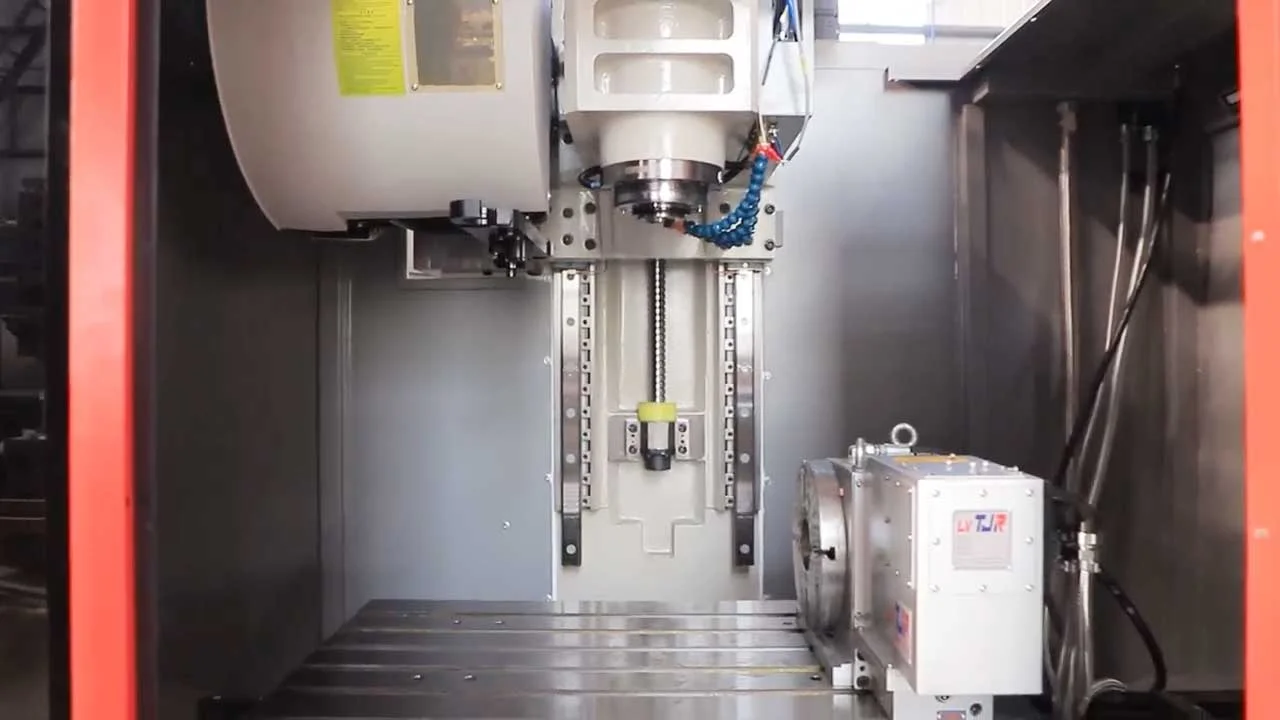
What Is a Lathe Spindle?
In a traditional lathe, the spindle is a rotating component installed in the machine's headstock. Its main function is to drive the workpiece to rotate at high speed, providing the necessary power for cutting. A good spindle must offer high concentricity and stability to prevent wobbling during rotation, ensuring precise cutting and turning operations.
What Is a CNC Spindle?
With the advancement of CNC technology, spindles have evolved from simple rotating shafts into complex components integrated with motors, encoders, cooling systems, and more. A CNC spindle is primarily responsible for rotating the tool or workpiece and is widely used in milling, drilling, engraving, grinding, and other automated machining processes.
Key features of CNC spindles include:
High Speed: Can reach tens of thousands of RPM for high-precision machining.
Automatic Tool Change: Works with a tool magazine for automatic tool swapping.
Superior Stability: Low vibration and high rigidity design for better surface finish.
Versatile Interfaces: Supports various tool holder standards like BT, HSK, and ISO.
Types of CNC Spindles
CNC spindles vary based on their drive mechanism and structure:
● Electric Spindle: Motor and spindle integrated; compact structure, ideal for high-speed machining centers.
● Belt-Driven Spindle: Driven via a belt and motor; offers higher torque, suitable for heavy cutting.
● Direct-Drive Spindle: Motor is directly connected to the spindle; efficient and low-noise, commonly used in high-end CNC milling machines.
● Water-Cooled or Air-Cooled Spindles: Chosen based on heat dissipation needs to ensure stability during long-term operations.
What’s the Difference Between a Lathe Spindle and a CNC Spindle?
Lathe spindles are commonly used in traditional manual lathes. They have a simple structure, manually controlled speed, and are suitable for low-speed heavy-duty cutting and basic machining.
In contrast, CNC spindles are applied in CNC machines and controlled automatically by the CNC system. They support high-speed, high-precision machining, programmable operations, automatic tool changes, and rigid tapping—ideal for modern automated manufacturing environments with high demands on efficiency and accuracy.
| Feature | Lathe Spindle | CNC Spindle |
| Holds | Workpiece | Cutting Tool |
| Movement | Rotates workpiece | Rotates tool & moves along axes |
| Speed Range | Moderate (500-5,000 RPM) | Very High (1,000-50,000+ RPM) |
| Applications | Turning, facing, threading | Milling, drilling, engraving |
How to Choose the Right Spindle?
Selecting the right spindle depends on your specific machining needs, machine type, and material properties. Key parameters to consider include:
Power and Torque: Higher power and torque are needed for hard materials or heavy-duty operations.
Maximum Speed: High RPM is essential for precision and soft material machining.
Cooling Method: Water-cooled spindles are recommended for long, high-load operation to enhance heat dissipation.
Interface Type: Ensure compatibility with your machine and tool holders.
Machining Process: Different processes such as engraving, milling, or drilling require different spindle characteristics.
Brand & Support: Choose reputable brands that offer stable performance and reliable technical support.
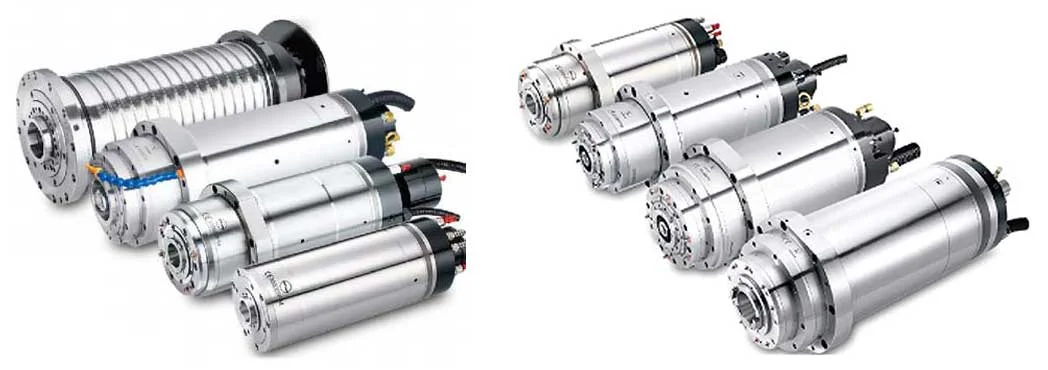
As the "heart" of a machine tool, the spindle plays a crucial role in defining the machine’s processing capability and directly impacts product quality and production efficiency. Choosing the right spindle is a key step toward boosting your overall manufacturing competitiveness.
If you're looking for high-performance CNC spindles or professional selection advice, feel free to contact Wuxi Fagor Technology. We specialize in the R&D and supply of core CNC machine components, offering full support from selection to technical guidance and after-sales service.


 Tel: (86 510) 68088084
 Whatsapp: +86-15852791610
 Mailbox: info@wxfagor.com

