
 Email:
  Whatsapp:

Clear records
history record

News

Related news
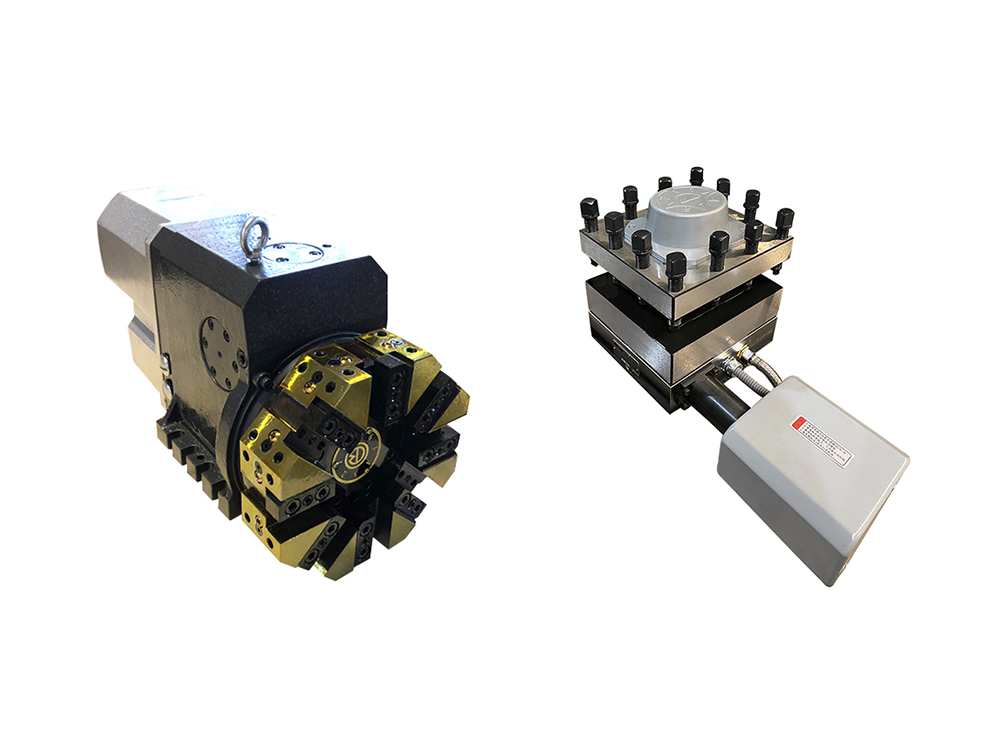
Top 10 Mistakes in Powered Turret Maintenance – Are You Making Any of These?
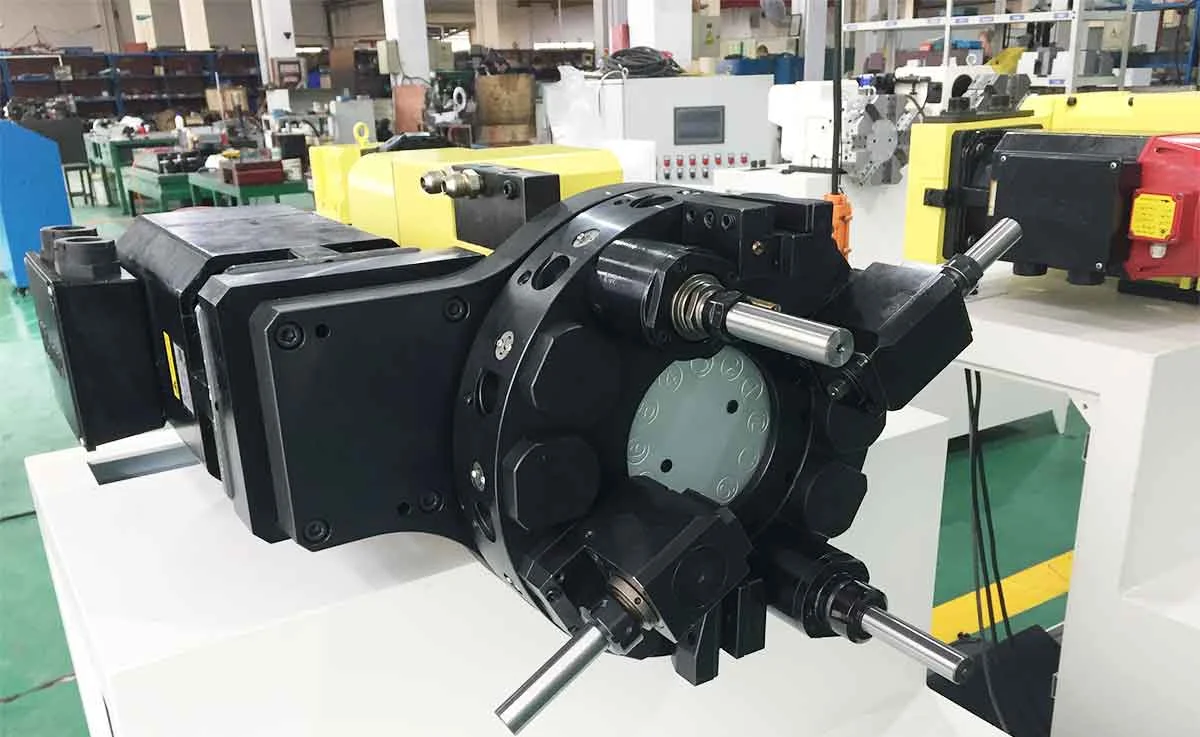
Mistake 1: Misdiagnosing the Root Cause of Failure (Only Replacing Tools, Not Checking the Drive System)
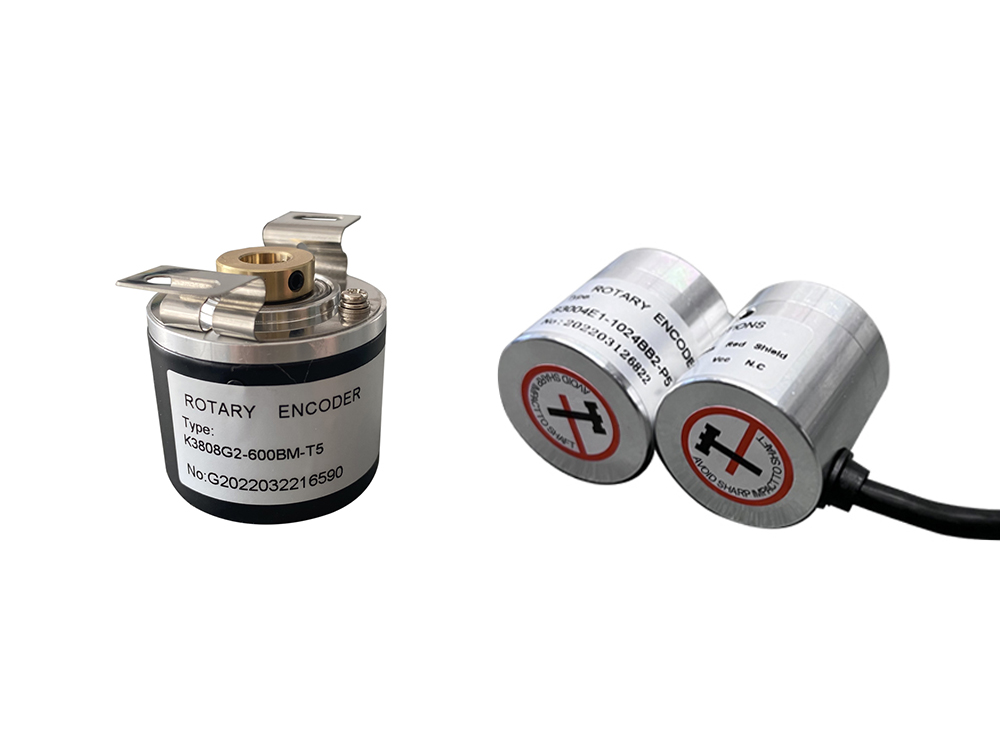
Many operators focus solely on tool wear and replacement, while neglecting the turret’s internal drive components such as gears, belts, encoders, and servo motors. When a malfunction occurs, failure to accurately analyze the root cause can lead to incorrect maintenance actions and prolonged downtime.
Mistake 2: Inadequate Lubrication System Maintenance
Proper lubrication is critical to reducing component wear. Some maintenance personnel may overlook routine checks and oil replacement. Others may use generic lubricants to save time or cost. However, powered turrets require lubricants with specific viscosity, anti-wear properties, and high-temperature resistance. Using the wrong type can accelerate component degradation.
Mistake 3: Failure to Replace Worn Components in Time
Just because the turret can still rotate doesn’t mean it’s in optimal condition. Minor internal wear or synchronization deviations may not show obvious symptoms but can silently compromise machining accuracy.
Recommended practice: In addition to checking rotational function, regularly inspect turret repeat positioning accuracy and power output stability to ensure consistent machining quality.
Mistake 4: Neglecting Routine Inspections and Preventive Maintenance
Regular cleaning, inspection, calibration, and minor repairs are essential to maintain turret performance. Some users merely wipe the tool station surface when changing tools, while ignoring the tool mounting holes and power transmission interfaces. Accumulated metal chips or oil residue in these areas can lead to poor tool clamping or even spindle interface damage.
Many common issues can be prevented with basic daily maintenance — but they are often overlooked.
Mistake 5: Believing “Higher Spindle Speed Is Always Better”
Blindly increasing the RPM of driven tools can lead to excessive bearing temperatures and reduced tool life. Spindle speed should be carefully matched to the tool material and workpiece material for optimal performance and longevity.
Mistake 6: Ignoring Ambient Temperature and Humidity
The operating environment significantly affects the service life of powered turrets. High temperatures, humidity, or corrosive conditions can degrade motors, PCBs, and lubrication performance.
Recommendation: Ensure the machine shop is well-ventilated and dry. Avoid exposure to corrosive substances or moisture. Use industrial air conditioners or dehumidifiers when necessary.
Mistake 7: Overlooking the Turret’s Service Life
Powered turrets have a finite lifespan — typically around 8 million indexing cycles or 5 years of operation. Beyond this period, failure rates increase significantly. However, some users continue to run aging turrets without considering these limits, risking serious breakdowns.
Mistake 8: Not Following Safety Procedures During Maintenance
When troubleshooting or servicing the turret, failure to follow safety protocols may cause secondary damage to the equipment — or even endanger personnel. Always follow established safety standards during diagnostics and repair.
Mistake 9: Improper Sensor Calibration
Sensors are critical for detecting tool positions and other key parameters. If sensors are miscalibrated or damaged and not replaced in time, machining accuracy and equipment reliability may be compromised.
Mistake 10: Mishandling Inverter and PLC Control Issues
The inverter and PLC control system are vital to automatic tool change operations. When faults occur, proper diagnostics and repair require specialized knowledge. Untrained personnel attempting repairs can make the issue worse.
Avoiding these common mistakes can significantly improve your powered turret maintenance efficiency, reduce unexpected downtime, and extend the overall service life of your equipment.
If you're experiencing any abnormal issues with your powered turret, don’t hesitate to contact WUXI Fagor Technology for expert technical support. We provide original spare parts, customized technical solutions, and remote guidance services.
For more CNC machining tips and maintenance best practices, visit our official blog and stay updated!


 Tel: (86 510) 68088084
 Whatsapp: +86-15852791610
 Mailbox: info@wxfagor.com

