
 Email:
  Whatsapp: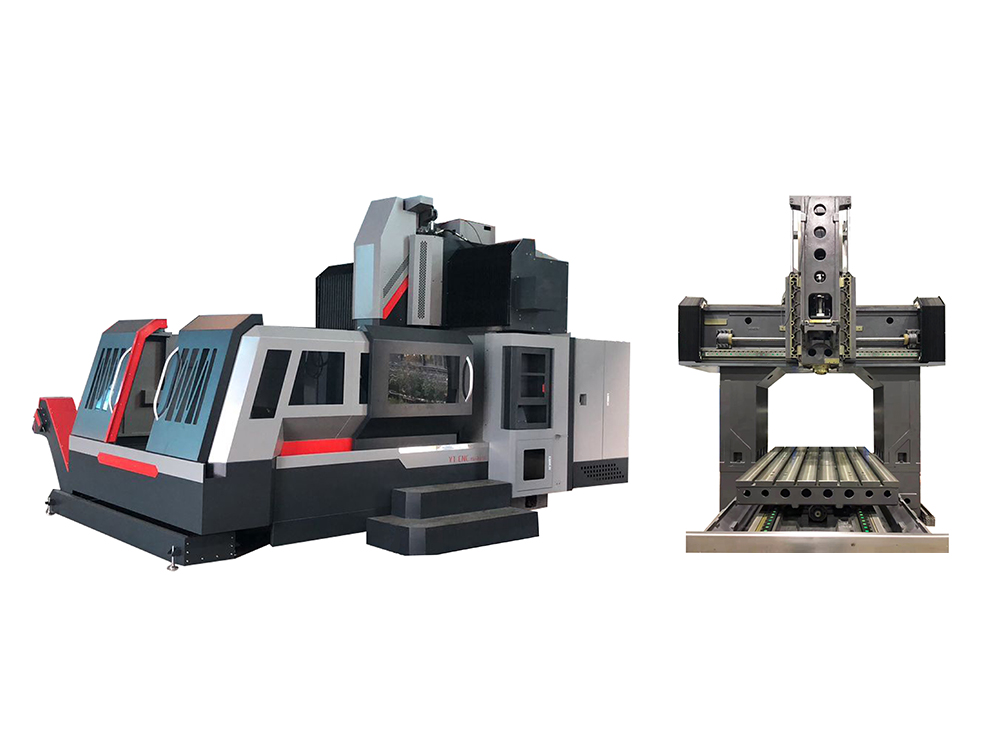


Clear records
history record

News

Related news
Exploring the Versatility and Efficiency of Modern Gantry Type Machining Centers
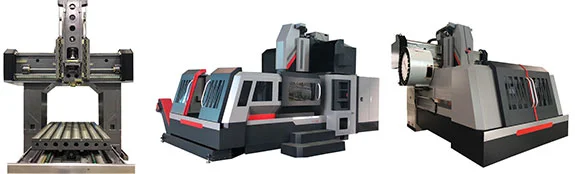
In today’s fast-paced manufacturing landscape, efficiency and versatility are paramount. As industries strive to meet increasing demands for precision and productivity, the tools and technologies they employ must evolve accordingly. Gantry machining centers have emerged as a cornerstone of modern manufacturing, offering a unique combination of stability, precision, and adaptability. These advanced machines, characterized by their bridge-like structure supported by two columns, are designed to handle large workpieces with exceptional accuracy and consistency.
Thesis: Modern gantry machining centers offer unparalleled versatility and efficiency, revolutionizing the manufacturing processes across various industries by enhancing precision, reducing waste, and accommodating complex machining tasks.
Overview of Gantry Machining Centers
Definition and Basic Structure
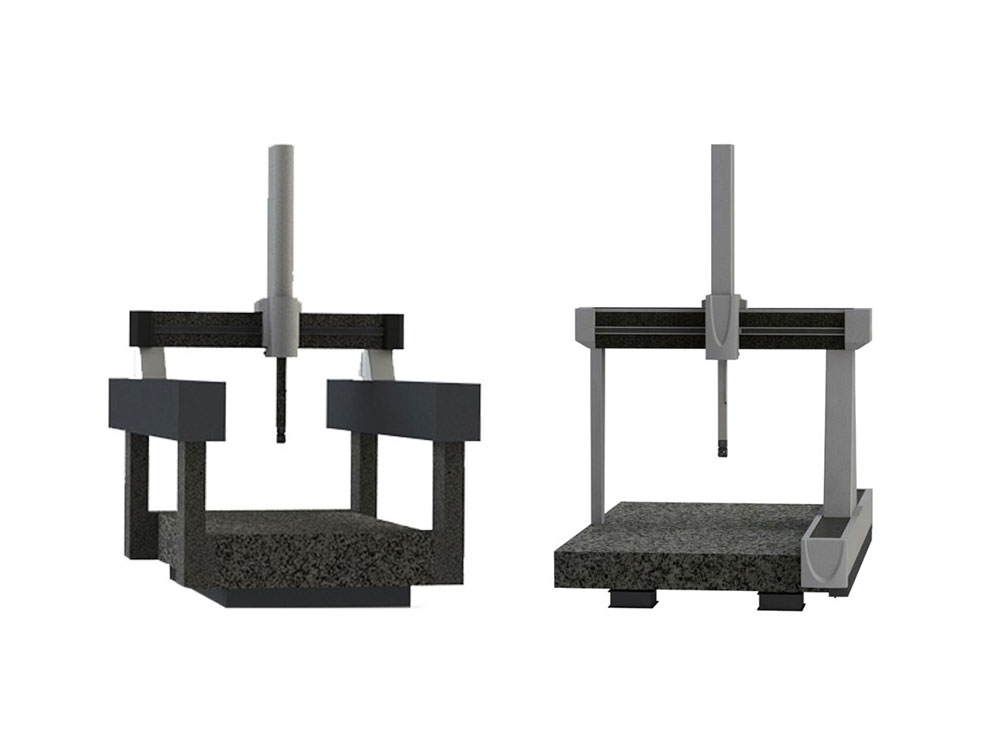
Gantry machining centers are sophisticated manufacturing machines designed to provide exceptional stability and precision. These machines feature a bridge-like structure supported by two robust columns, which allows for the machining of large workpieces with consistent accuracy. The gantry design is particularly advantageous for industries that require high precision and reliability, such as aerospace, automotive, and semiconductor manufacturing. The structure minimizes vibrations and deflections, ensuring that each machining operation is executed with impeccable accuracy.
Key Components of a Gantry Machining Center
The key components of a gantry machining center include:
1. Gantry Frame: The primary structural element, consisting of the bridge and supporting columns, which provides the necessary rigidity and stability.
2. Machining Head: The part of the machine that holds the cutting tools and performs the actual machining operations. It can move along multiple axes to achieve complex machining tasks.
3. Worktable: A large, stable platform where the workpiece is secured during machining. The worktable can often move along one or more axes to facilitate different machining operations.
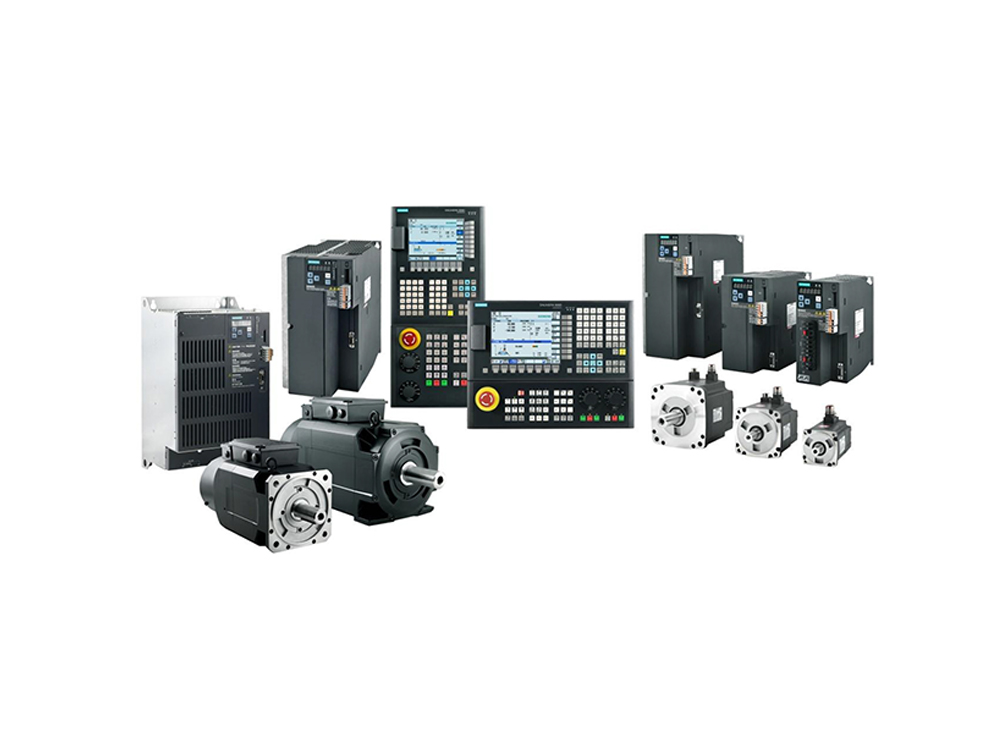
4. Control System: An advanced computer system that controls the movement of the machining head and worktable, ensuring precise execution of the machining program.
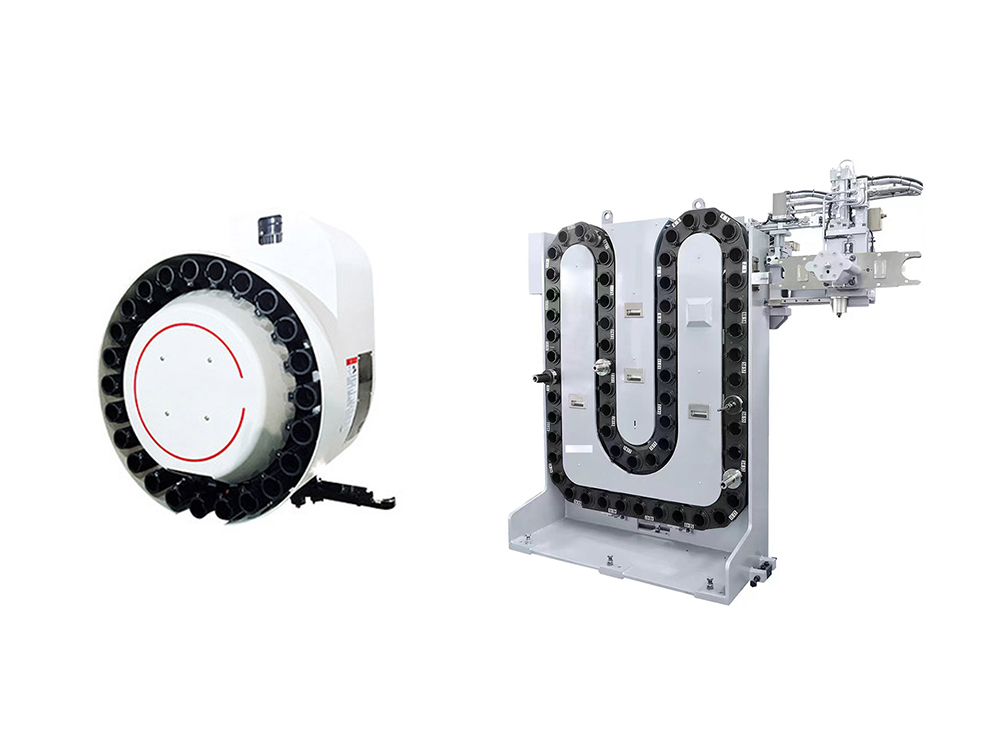
5. Tool Magazine: A storage system for various cutting tools, allowing for automatic tool changes during the machining process to enhance efficiency and versatility.
6. Drive Systems: Motors and actuators that provide the necessary movement and force for the machining head and worktable, ensuring smooth and precise operations.
These components work together to deliver the high precision, stability, and versatility that define modern gantry machining centers, making them indispensable tools in advanced manufacturing environments.
Versatility of Modern Gantry Machining Centers
Multi-Axis Capabilities
Modern gantry machining centers are renowned for their multi-axis capabilities, which allow for the execution of complex machining tasks with high precision. These machines typically operate on three to five axes, enabling the machining head to move in multiple directions simultaneously. This multi-axis functionality is crucial for creating intricate geometries and detailed features that are often required in advanced manufacturing applications. The ability to machine parts from different angles without repositioning the workpiece enhances efficiency and reduces production time, making gantry machining centers highly versatile tools in the manufacturing process.
Ability to Handle Various Materials
One of the standout features of modern gantry machining centers is their ability to handle a wide range of materials. From metals such as aluminum, steel, and titanium to composites and plastics, these machines are equipped to machine diverse materials with precision. The adaptability to different materials is facilitated by the robust construction of the gantry frame and the advanced control systems that can adjust machining parameters to suit the specific properties of each material. This versatility ensures that gantry machining centers can be used across various industries, each with its unique material requirements.
Range of Machining Operations
Gantry machining centers are capable of performing a broad spectrum of machining operations, including milling, drilling, boring, and tapping. The integration of multiple machining functions into a single machine eliminates the need for multiple setups and transfers between different machines, thereby streamlining the manufacturing process. The ability to switch between different operations seamlessly enhances productivity and reduces the risk of errors. Whether it’s creating complex contours, drilling precise holes, or boring large cavities, gantry machining centers provide the flexibility needed to tackle a wide range of machining tasks.
Adaptability to Different Industries
The versatility of modern gantry machining centers makes them adaptable to a variety of industries. In the aerospace sector, they are used to produce critical components such as fuselage sections and engine parts with high precision. In the automotive industry, they manufacture engine blocks, transmission housings, and chassis components. The energy sector relies on these machines for producing parts for turbines and generators, while the heavy machinery industry uses them to create robust components for construction and mining equipment. The ability to meet the specific demands of different industries underscores the adaptability and indispensability of gantry machining centers in modern manufacturing.
Efficiency Factors
Large Work Envelope
One of the primary efficiency factors of modern gantry type machining centers is their large work envelope. This expansive workspace allows for the machining of sizable components in a single setup, significantly reducing the need for multiple repositionings and setups. The ability to handle large workpieces not only enhances productivity but also ensures that complex parts can be machined with high precision and consistency. This large work envelope is particularly beneficial in industries such as aerospace and heavy machinery, where the components are often substantial in size.
High-Speed Machining Capabilities
Modern Longmen processing centers are equipped with high-speed machining capabilities, which contribute to their overall efficiency. These machines can operate at high spindle speeds and rapid feed rates, allowing for faster material removal and shorter cycle times. The high-speed capabilities are complemented by advanced control systems that ensure precise and stable machining even at elevated speeds. This combination of speed and precision enables manufacturers to increase throughput and reduce production times without compromising on quality.
Reduced Setup Times
Efficiency in manufacturing is greatly enhanced by the reduction of setup times, and modern CNC gantry machining centers excel in this area. The integration of multiple machining operations into a single machine eliminates the need for transferring workpieces between different machines, thereby minimizing setup times. Additionally, advanced features such as automatic tool changers and programmable worktables further streamline the setup process. By reducing the time required to prepare the machine for different tasks, gantry machining centers enable manufacturers to achieve higher productivity and quicker turnaround times.
Simultaneous Multi-Tasking Abilities
The simultaneous multi-tasking abilities of modern gantry machining centers are a key factor in their efficiency. These machines can perform multiple machining operations concurrently, such as milling, drilling, and tapping, without the need for manual intervention. The ability to execute several tasks at once not only speeds up the manufacturing process but also reduces the risk of errors associated with manual handling and repositioning. This multi-tasking capability is particularly advantageous in high-volume production environments, where efficiency and precision are critical.
By leveraging these efficiency factors, modern gantry vertical machining centers provide manufacturers with the tools needed to enhance productivity, reduce production times, and maintain high-quality standards across various industries.


 Tel: (86 510) 68088084
 Whatsapp: +86-15852791610
 Mailbox: info@wxfagor.com

