
 Email:
  Whatsapp:

Clear records
history record

News
Related news
What are the six types of lathe turret in CNC machine?How to choose them?
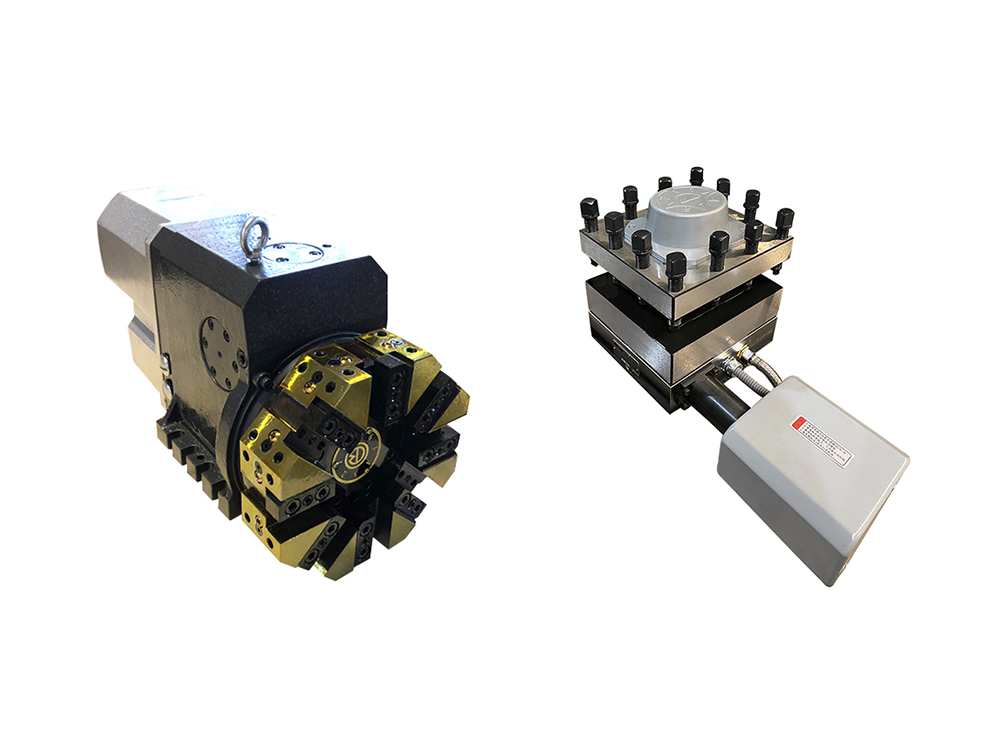
CNC turrets are critical components in CNC lathes, used to hold tools and automatically switch between them via program control. There are many types of turrets, including servo turrets, power turrets, electric turrets, and hydraulic turrets. So how do we distinguish between these types? Jason, an engineer from Wuxi Fagor, explains:
1. Power Turret
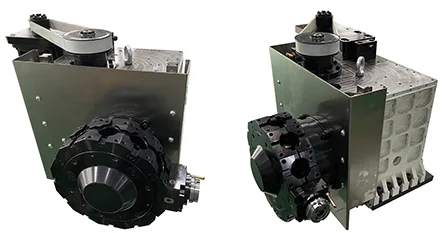
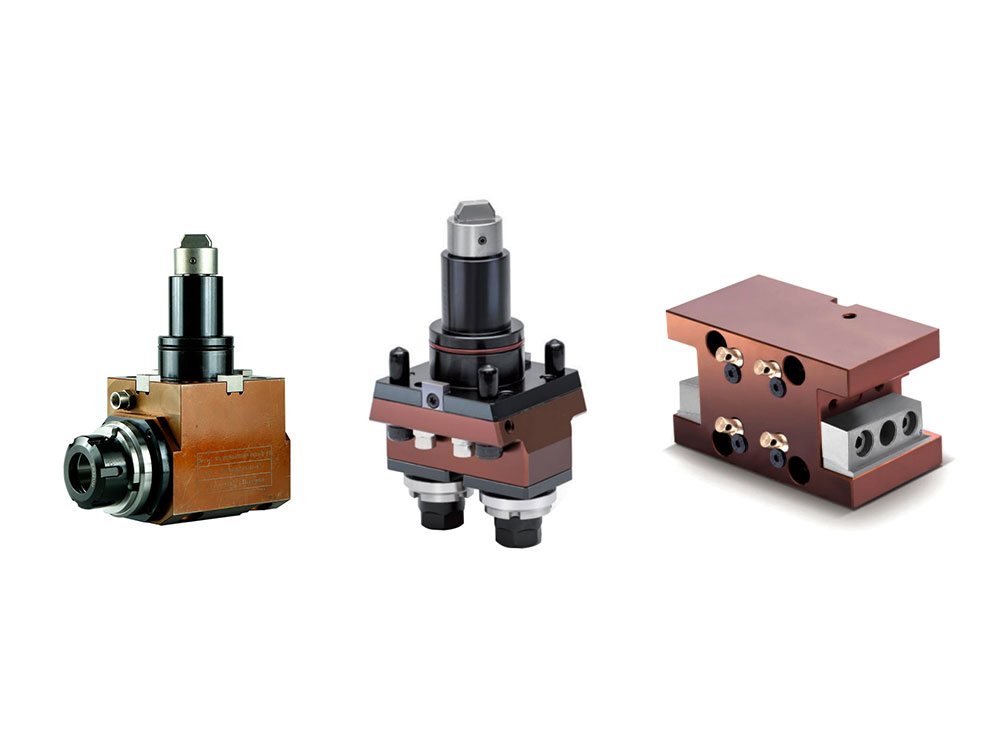
Features :Equipped with a power head capable of driving rotating tools for milling, drilling, tapping, etc. Usually equipped with a multi-axis motor that enables the lathe to perform not only turning but also multi-task processing. Power-driven interfaces are available on the turret stations, allowing different types of powered tools to be mounted. Allows multiple processes to be completed in one clamping, reducing errors caused by repositioning the workpiece. Improves production efficiency, making it suitable for processing complex parts.
Application :Commonly used in multi-functional CNC turning and milling compound machining centers.Ideal for complex parts manufacturing, such as in the aerospace and automotive industries, where turning, milling, and drilling must be completed in one setup.Example: Complex parts like aerospace components or automotive engine parts.
2. Servo Turret
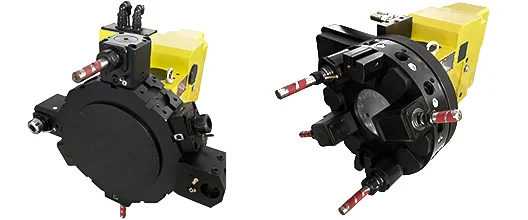 Features :Driven by a servo motor, allowing for high-precision tool change control.
The turret can precisely control the positioning and locking of each station through a servo system. Servo-driven turrets offer fast tool switching, improving tool change speed and positioning accuracy. High-speed tool change, ideal for high-cycle production. High-precision tool positioning, suitable for high-precision processing.
Application :Suitable for high-precision parts processing, such as medical device components, electronics, and other precision industries.Also ideal for efficient, high-volume production.
The difference between servo turret and power turret of CNC lathe?
Power turret can accommodate both turning and milling tools, allowing it to perform turning and milling operations. Its versatility makes it commonly used in turn-mill machining centers. In contrast, a servo turret can only hold turning tools and lacks power functions, limiting it to turning operations only.
3. Hydraulic Turret
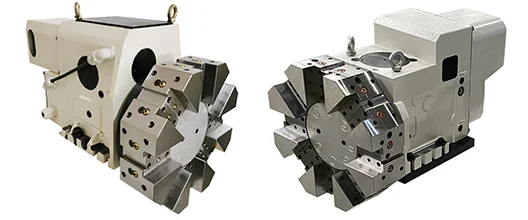 Features :Uses a hydraulic system to drive the turret rotation and locking. During tool changes, the turret is driven by a hydraulic motor, and the tools are secured via a hydraulic clamping system.
Hydraulic turrets provide significant clamping force, making them suitable for heavy-duty operations.
High stability, particularly for heavy cutting, reducing tool vibration.
Suitable for applications requiring strong clamping forces and stability.
Application :Large lathes and heavy-duty cutting operations, such as large gear and shaft part processing.
Especially suitable for rough machining or heavy cutting applications.
4. Electric Turret
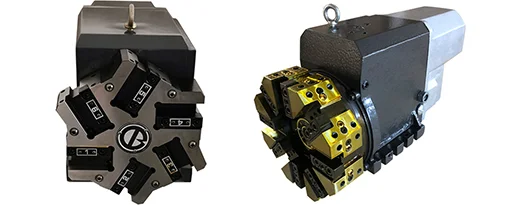 Features :
Controlled by an electric motor for turret rotation and positioning. Electric turrets are generally smaller in size and have a compact structure.
Features :
Controlled by an electric motor for turret rotation and positioning. Electric turrets are generally smaller in size and have a compact structure.
Suitable for medium and small CNC lathes with easy maintenance.
Simple structure and relatively lower cost.
Fast response time with electric control, suitable for light cutting operations.
Application :Standard turning operations on medium and small lathes, ideal for light-duty processing and applications not requiring high cutting forces.
Examples: Precision machining of small to medium parts, mass production of standard components.
5. Multi-Station Turret
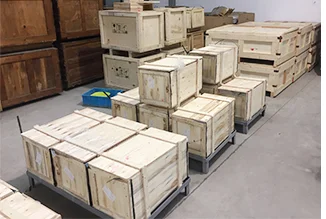 Features :
The turret has multiple tool positions (commonly 8, 10, 12, or more), allowing a variety of turning tools or powered tools to be mounted, enabling flexible switching between multiple machining processes.
Features :
The turret has multiple tool positions (commonly 8, 10, 12, or more), allowing a variety of turning tools or powered tools to be mounted, enabling flexible switching between multiple machining processes.
The turret can automatically switch to the required station in sequence, reducing downtime during the machining process.
Can mount multiple tools simultaneously, reducing tool change frequency and enhancing production efficiency.
Application :Suitable for high-volume, multi-process production environments and complex workpieces requiring frequent tool changes. Examples: Production of automotive parts, household appliance components, etc.
6. Horizontal/Vertical Turret
Horizontal Turret: Installed on the cross or vertical slide of the lathe, the tools are rotated and switched within the horizontal plane.Widely used in standard horizontal CNC lathes, suitable for general turning, such as external cylindrical processing of shaft parts.
Vertical Turret: The tools rotate in the vertical plane and are suitable for vertical lathes.Common in vertical lathes or compound machining centers, suitable for processing disc-shaped parts such as large gears, flywheels, etc.

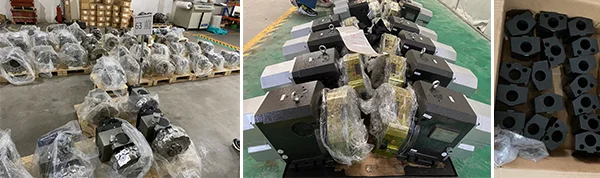
In the CNC machining industry, selecting the appropriate turret not only impacts production efficiency but also directly affects machining accuracy and final product quality. Our company specializes in the research, production, and sales of CNC turrets, committed to providing high-quality, stable-performance CNC turret products to customers worldwide. Whether you're a large-scale manufacturing enterprise or a small to medium-sized factory, we have stock available, ensuring you can quickly obtain the right product to meet your production needs.If you want to know more about the cnc lathe turret,Welcome to inquire:info@wxfagor.com


 Tel: (86 510) 68088084
 Whatsapp: +86-15852791610
 Mailbox: info@wxfagor.com

