
 Email:
  Whatsapp:

Clear records
history record

News

Related news
Key Features of Vertical Machining Center (VMC)
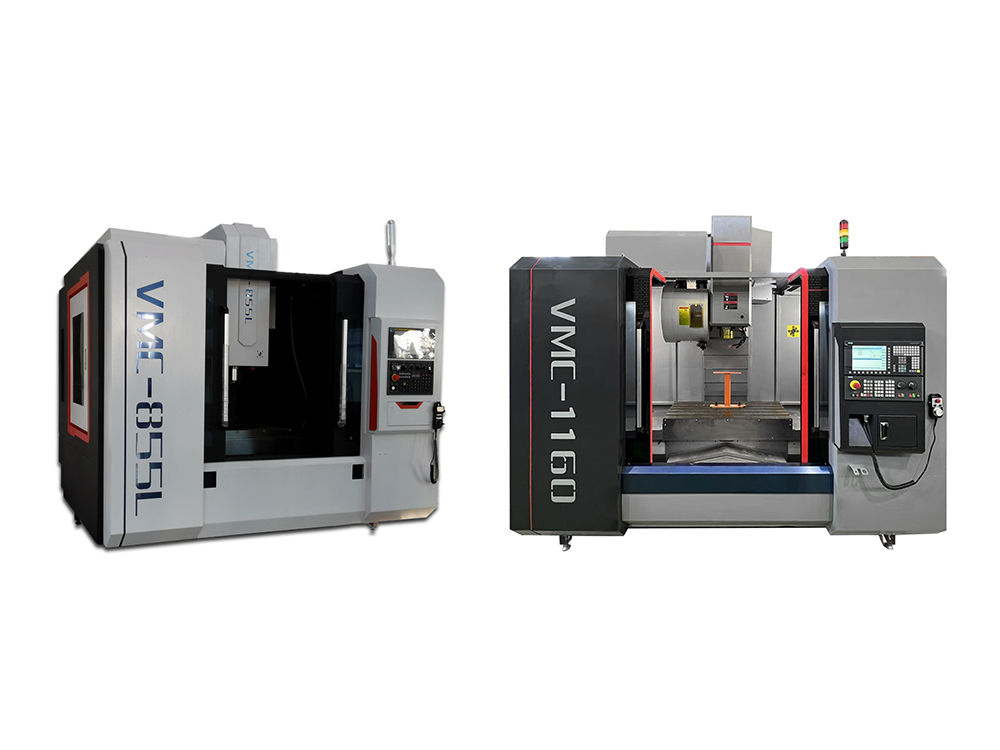
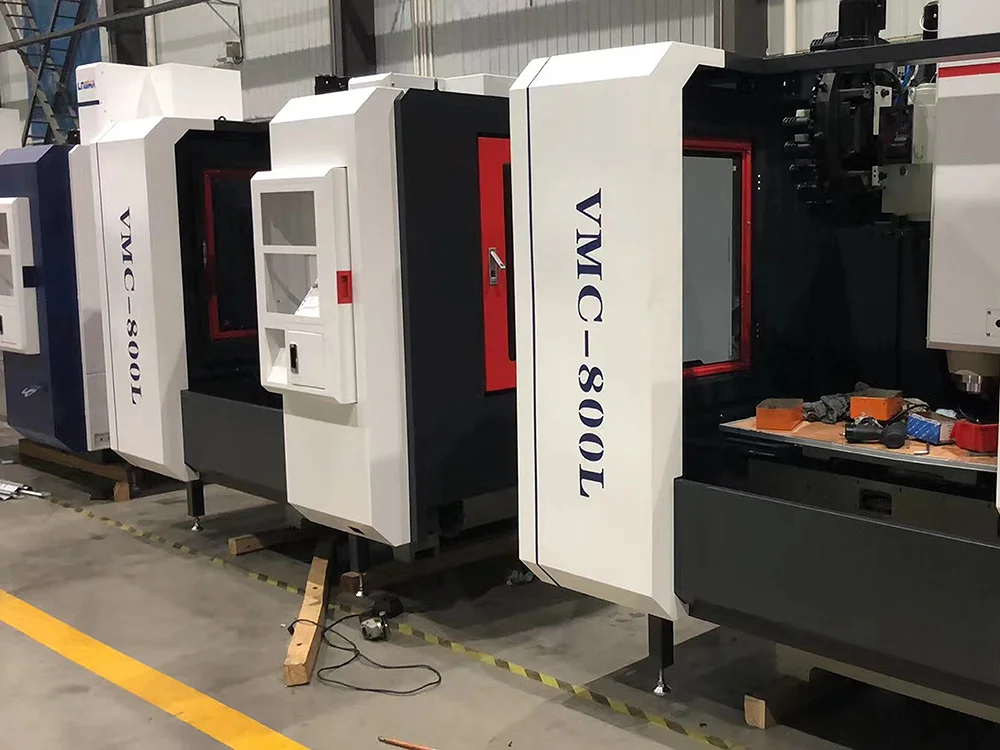
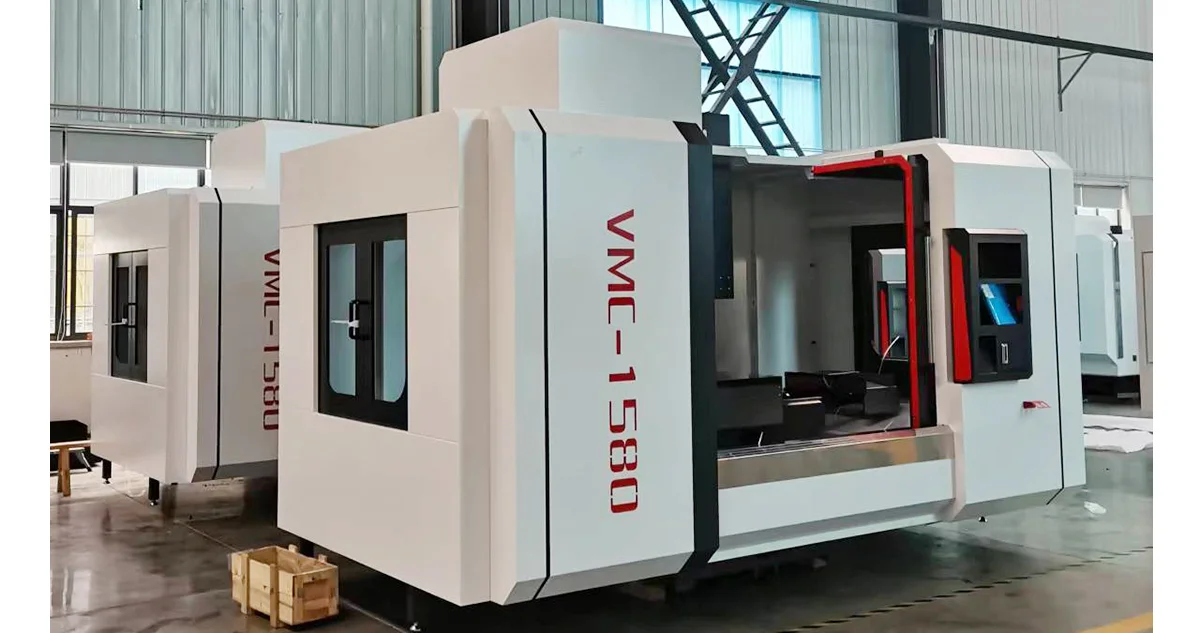
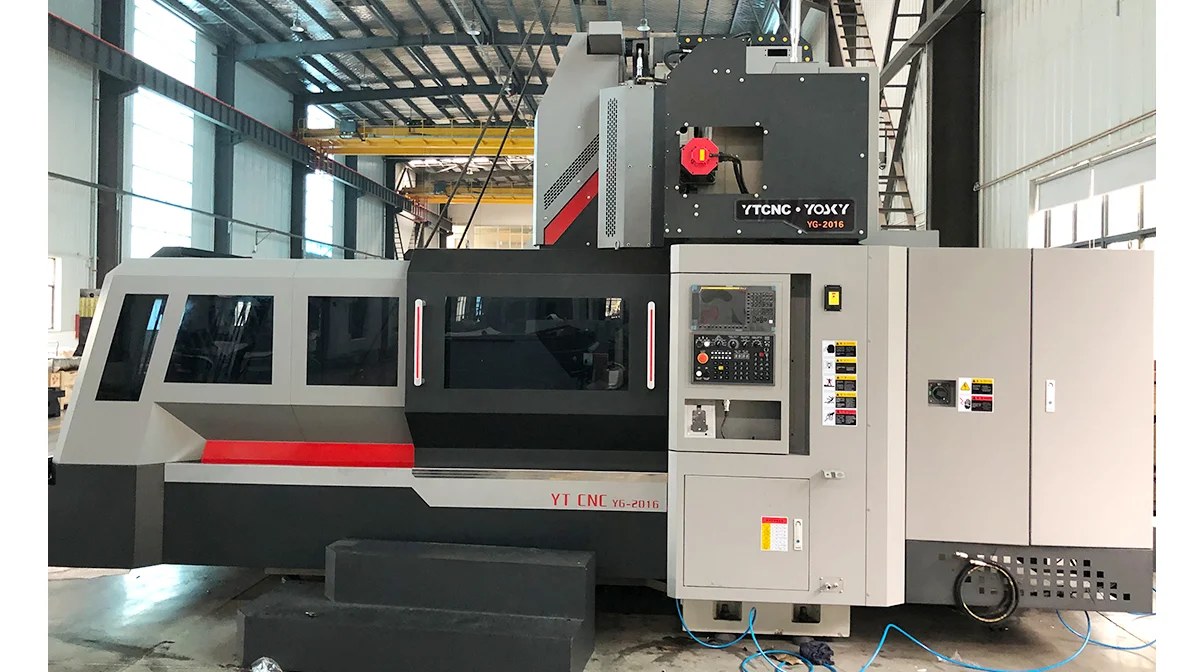
A Vertical Machining Center (VMC) is a highly sophisticated piece of CNC (Computer Numerical Control) machinery designed for precision engineering and manufacturing applications. As the name suggests, a VMC operates with a vertical orientation of the spindle, making it particularly suitable for milling, drilling, and tapping operations on the surface of a workpiece. The integration of CNC technology allows for the automation of these processes, providing high levels of accuracy, repeatability, and efficiency.
Key Features and Advantages
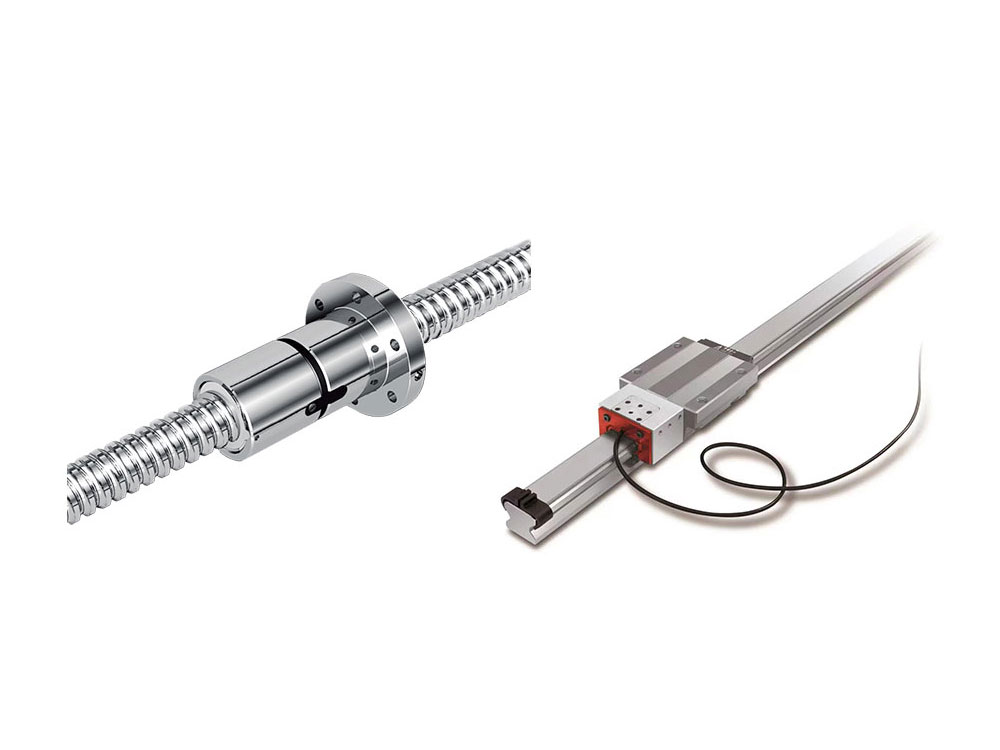
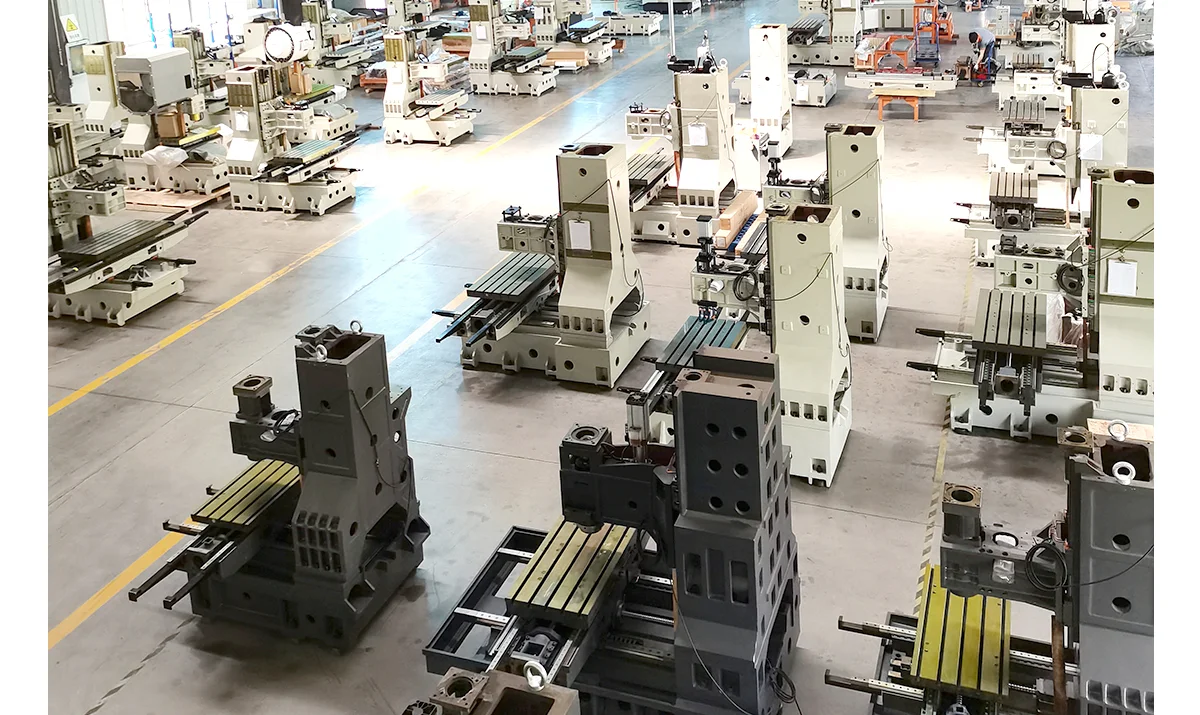
Precision and Accuracy: Vertical Machining Center (VMC) are renowned for their ability to produce parts with extremely tight tolerances. The precision of these machines is a result of their robust construction, advanced servo motors, and high-quality ball screws, which ensure smooth and precise movement of the cutting tool and workpiece.
High-Speed Operations: Many modern VMCs are equipped with high-speed spindles that can handle thousands of rotations per minute (RPM), reducing machining time significantly. This capability is crucial for high-volume production environments where time efficiency directly impacts profitability.
Versatility: The versatility of VMCs lies in their ability to perform a variety of operations, from simple drilling to complex milling and engraving. This makes them invaluable to industries requiring intricate part geometries, such as aerospace, automotive, and medical device manufacturing.
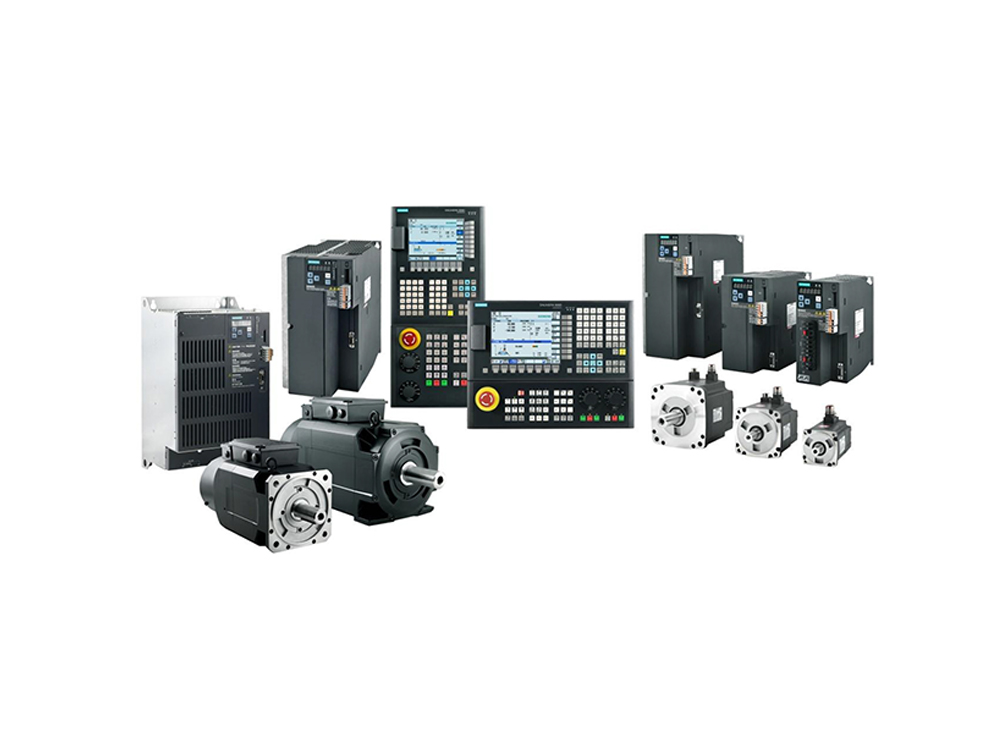
Advanced Control Systems: CNC control systems are the heart of VMCs, providing operators with the ability to program complex part geometries and machining paths. Modern VMCs feature intuitive interfaces, advanced software, and connectivity options that allow for seamless integration into a smart manufacturing environment.
Automation Compatibility: VMCs can be easily integrated with robotic systems and automated workpiece loading/unloading systems, further enhancing their efficiency and reducing the need for manual intervention. This compatibility with automation technologies makes VMCs a cornerstone of Industry 4.0 manufacturing facilities.
Applications
VMCs are utilized in a wide range of manufacturing applications, including but not limited to:
· Aerospace Components: Manufacturing parts with complex geometries and stringent tolerance requirements.
· Automotive Industry: Producing engine components, gears, and custom parts.
· Medical Devices: Crafting precision instruments and implants with high accuracy.
· Die and Mold Making: Enabling the production of molds and dies with precise dimensions and smooth finishes.
Choosing the Right VMC
When selecting a VMC for a manufacturing operation, several factors should be considered:
· Spindle Speed and Power: Depending on the material and the type of machining required, the spindle's speed and power capabilities can significantly impact performance and finish quality.
· Table Size and Load Capacity: The size of the workpiece that can be accommodated and the machine's load-bearing capacity are critical for matching the machine to the intended applications.
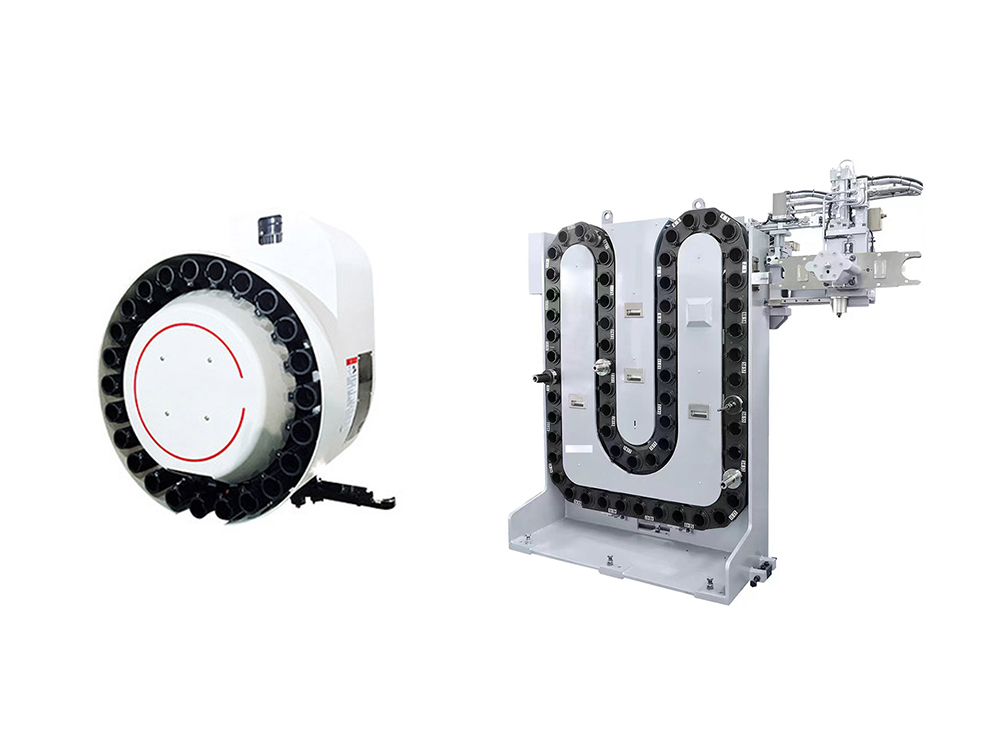
· Tool Storage Capacity: A larger tool magazine allows for a wider variety of operations without the need for manual tool changes, enhancing efficiency.
· Control System: The sophistication of the control system affects programming flexibility, ease of use, and the ability to integrate with other digital manufacturing solutions.
Conclusion
The Vertical Machining Center represents a pinnacle of precision engineering, combining speed, accuracy, and versatility in a single machine. As manufacturing industries continue to evolve towards more complex and precise components, the role of VMCs in production workflows is set to become even more critical. With ongoing advancements in CNC technology, the capabilities of VMCs will expand, enabling manufacturers to push the boundaries of what's possible in machining and fabrication.
As the manufacturing landscape evolves with the advent of more complex and intricate designs, the importance and reliance on Vertical Machining Centers (VMCs) are anticipated to grow exponentially. This expansion is not just in their traditional roles but also in new and innovative applications. The future of VMCs is poised to be shaped by several key trends and technological advancements that will further enhance their capabilities, making them even more integral to modern manufacturing processes.
The Global Export of Vertical Machining Centers by Wuxi Fagor Technology Co.
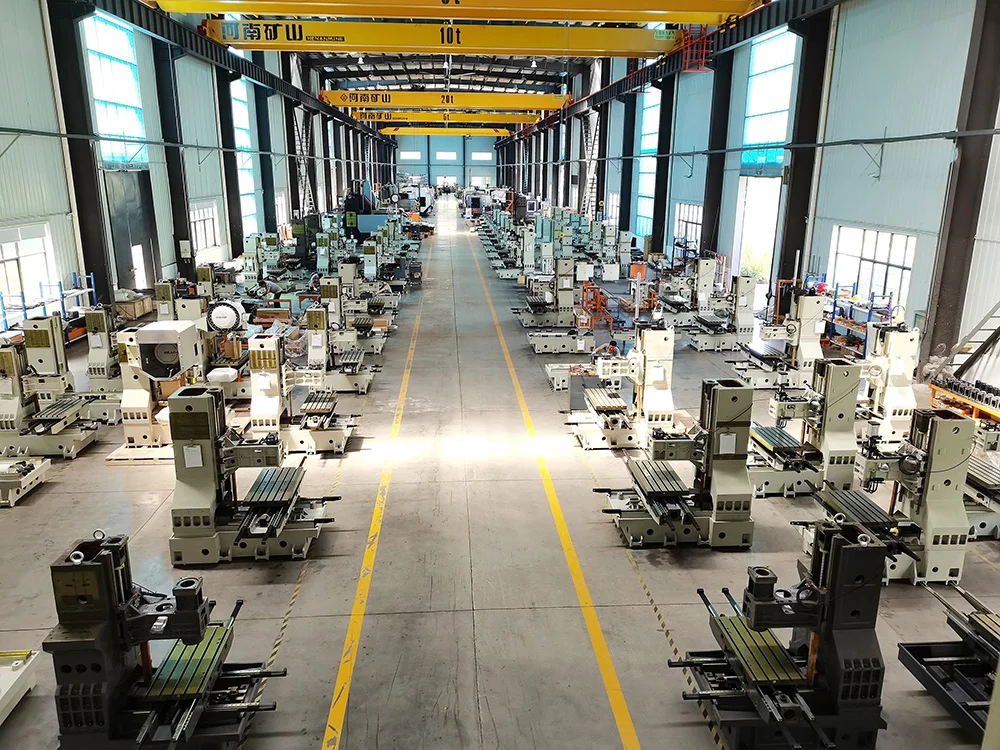
Wuxi Fagor Technology Co., a leader in the manufacturing of precision machinery, is making significant strides in the global market with its export of Vertical Machining Centers (VMCs). These high-performance machines, known for their precision and durability, are now available to an international clientele, fostering advancements in industries ranging from aerospace to automotive manufacturing.
Unmatched Quality and Innovation
Wuxi Fagor’s VMCs are engineered with cutting-edge technology and built to meet the rigorous demands of modern production environments. Each unit combines robust construction with advanced control systems, allowing for precise and efficient machining of complex parts. The company's commitment to innovation is evident in their continuous improvement of machine capabilities, ensuring they remain at the forefront of machining technology.
Global Reach and Accessibility
The expansion of Wuxi Fagor's market presence is supported by a well-structured export strategy that ensures their VMCs are accessible worldwide. The company has established strong logistics networks that facilitate the efficient delivery of their machines to customers across different continents. This global reach is complemented by localized support, tailored to meet the specific needs of each market, ensuring that all clients receive the support they need to maximize the potential of their VMCs.
Tailored Solutions for Diverse Industries
Wuxi Fagor’s VMCs are versatile and adaptable, designed to serve a wide range of industries. Whether it's producing intricate components for the electronics industry or robust parts for automotive manufacturing, these machines provide the precision required for high-quality production. Wuxi Fagor works closely with clients to understand their specific needs, providing customized solutions that enhance their manufacturing capabilities.
Commitment to Customer Success
Beyond the sale of VMCs, Wuxi Fagor is dedicated to the success of its clients. The company offers comprehensive after-sales services, including training, maintenance, and technical support. Their proactive approach ensures that customers not only receive a machine but also the knowledge and support needed to achieve optimal performance and longevity.
Wuxi Fagor Technology Co.’s export of Vertical Machining Centers is not just a testament to their engineering excellence but also to their commitment to enhancing global manufacturing standards. By providing superior VMCs and unwavering support, Wuxi Fagor is setting new benchmarks in the machining industry and empowering businesses around the world to achieve their production goals with unmatched efficiency and precision.
Future Trends in VMC Technology
Enhanced Precision with AI
The integration of Artificial Intelligence (AI) and machine learning into VMCs is set to redefine precision machining. AI algorithms will predict and compensate for potential inaccuracies in real-time, such as tool wear or material inconsistencies, ensuring that the machining process remains precise and consistent, even over long production runs.
Connectivity and IoT Integration
As part of the broader trend towards Industry 4.0, VMCs will become more interconnected, sharing data with other machines and systems in a smart factory environment. This connectivity will allow for more efficient workflow management, predictive maintenance, and real-time optimization of manufacturing processes based on data analytics.
Adaptive Machining
Future VMCs will be capable of adaptive machining, automatically adjusting parameters in response to feedback from sensors monitoring the machining process. This adaptability will improve efficiency and reduce the need for operator intervention, allowing for more complex and varied parts to be produced with minimal setup changes.
Sustainability Focus
With a growing emphasis on sustainability in manufacturing, future VMCs will be designed to be more energy-efficient and to minimize waste. Innovations may include more efficient motors, regenerative braking systems for energy recovery, and advanced materials recycling systems.
Hybrid Manufacturing Capabilities
The line between subtractive and additive manufacturing is blurring, and future VMCs may incorporate additive manufacturing (AM) capabilities. This hybrid approach would allow manufacturers to build parts up using 3D printing within the same setup as machining them down to final dimensions, offering unprecedented flexibility and efficiency in manufacturing complex components.
Challenges and Opportunities
With these advancements, there are also challenges that manufacturers and technology providers must address. The integration of advanced technologies such as AI and IoT into VMCs requires significant investment in both hardware and software, as well as in training for operators and technicians. There is also the challenge of ensuring cybersecurity in an increasingly connected manufacturing environment.
However, these challenges are accompanied by significant opportunities. Manufacturers that can leverage the latest VMC technologies will gain competitive advantages in terms of efficiency, capability, and flexibility. They will be better positioned to meet the demands of modern markets, which increasingly require faster turnaround times, higher precision, and greater customization.
The Broader Impact on Manufacturing
The evolution of VMC technology has broader implications for the manufacturing sector. It is driving a shift towards more automated, efficient, and flexible manufacturing processes. This shift is not just about improving how individual parts are made; it's about rethinking the entire manufacturing workflow, from design through to production and beyond.
In conclusion, the future of Vertical Machining Centers is intrinsically linked to the future of manufacturing itself. As these machines become more intelligent, connected, and versatile, they will play a pivotal role in the transformation of manufacturing processes. The advancements in VMC technology promise to unlock new possibilities in manufacturing, enabling the production of components and products that are more complex, more customized, and produced more sustainably than ever before.


 Tel: (86 510) 68088084
 Whatsapp: +86-15852791610
 Mailbox: info@wxfagor.com

