
 Email:
  Whatsapp:

Clear records
history record

News

Related news
Types and Usage of CNC Tool Holders
Classification of CNC tool holders
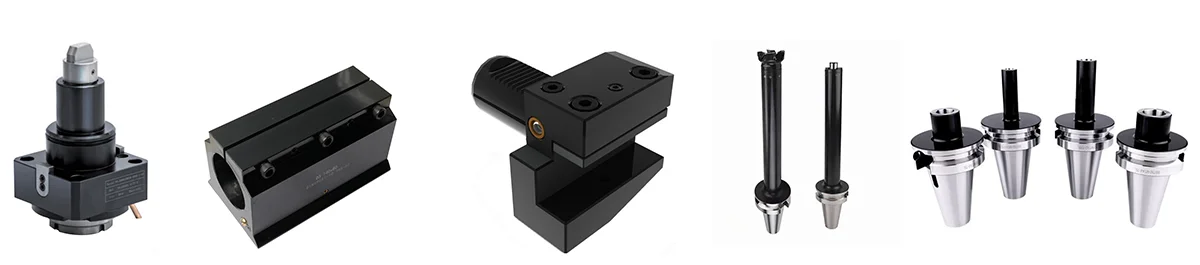
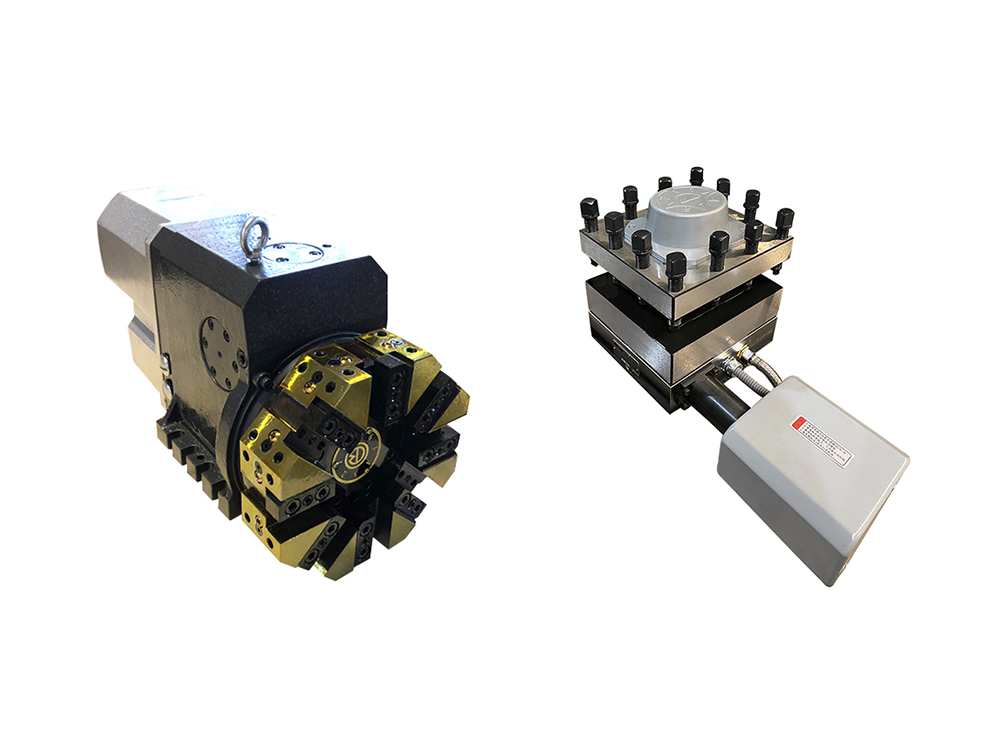
CNC tool holders are commonly used tools in mechanical processing and come in various types to meet different processing needs. Characteristics include high rigidity, precise positioning, quick tool change capability, and compatibility with high-speed operations. They enhance machining efficiency and accuracy, making them crucial for diverse applications in industries like aerospace, automotive, and precision engineering.Here are some common types of CNC tool holders:
1. Turret tool holders:
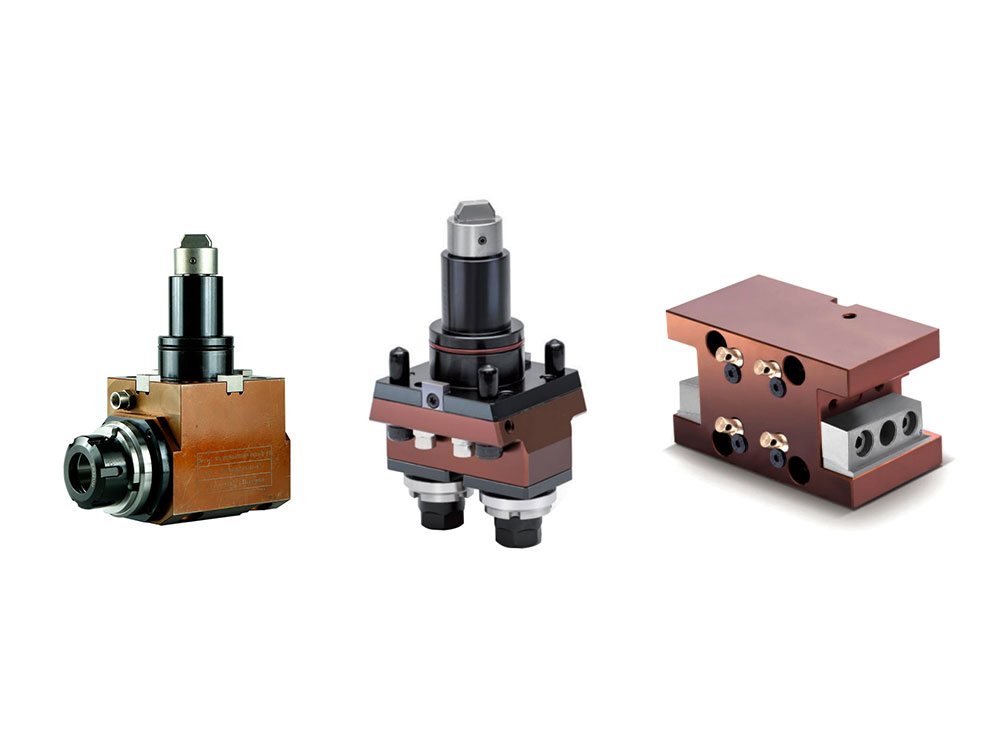
Rotary tool holders: These can rotate and position multiple tools, making them suitable for complex part processing that requires frequent tool changes, thus improving production efficiency.
Fixed tool holders: The tool position remains fixed, commonly used in repetitive processing tasks, such as single-tool operations in mass production, offering high rigidity and stability.
2. Power tool holders:
Powered Tool Holders: Equipped with a built-in power drive, capable of performing drilling, milling, tapping, and other operations. They are suitable for mill-turn machines, significantly enhancing the machine's multifunctionality and production capacity.
3. Static tool holders:
Fixed Tool Holders on Machines: These do not have rotation or movement capabilities and are suitable for single cutting operations. They offer high rigidity and are commonly used for heavy-duty cutting and high-precision tasks.
4. ER spring collet tool holders:
Spring Collet Tool Holders: Used for holding drills, milling cutters, etc., suitable for drilling and milling operations. They are characterized by strong clamping force and easy tool change, and are widely used in various processing scenarios.
5. HSK tool holders:
High-Precision Tool Holders: These have excellent repeat positioning accuracy and high-speed cutting performance, making them suitable for high-speed milling machines and machining centers. They are commonly used in high-demand processing fields such as aerospace, automotive manufacturing, and precision mold making.
6. BMT tool holders:
High-Rigidity Tool Holders: Designed for heavy cutting and high-speed processing, these effectively reduce vibration and improve the quality of the machined surface. Widely used in turning centers and lathes, they are essential tools for improving processing efficiency.
7. VDI Tool Holders:
Standardized Interface Tool Holders: Known for good repeat accuracy and quick tool change, these are commonly used in CNC lathes and mill-turn machining centers, suitable for various complex processing tasks.
8. BT Tool Holders:
Tapered Tool Holders: Commonly used in traditional CNC machining centers, offering good rigidity and stability, and suitable for various medium and low-speed processing operations.
Usage Methods of CNC Tool Holders
How to use CNC tool holder
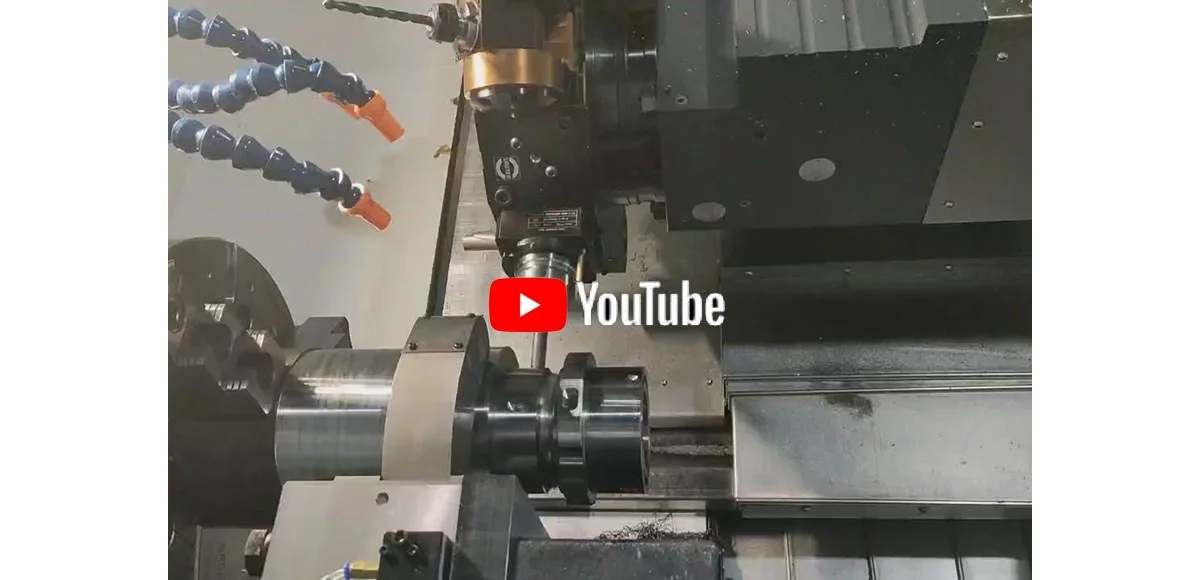
The usage methods of CNC tool holders vary depending on their type and specific application scenarios. Below are the general steps and precautions for using CNC tool holders:
1. Preparation:
● Inspect Equipment:
Ensure the CNC machine and tool holders are in normal working condition.
Check that the tools and holders are not worn or damaged.
● Select Appropriate Tool Holders and Tools:
Choose the right type of CNC tool holder (e.g., turret tool holder, power tool holder, static tool holder) and suitable tools (e.g., drill bits, milling cutters, turning tools) based on the processing task and material.
2. Installing Tool Holders:
● Clean Tool Holders and Tools:
Use cleaning tools to clean the contact surfaces of the tool holders and tools, ensuring no residue remains.
● Install Tools:
Properly install the tool into the holder, ensuring tight contact without any looseness. Use special tools (e.g., wrenches) to secure the tool firmly.
● Install Tool Holders:
Mount the tool holder onto the machine spindle or tool post. Use appropriate tools (e.g., torque wrenches) to secure the holder, ensuring stability.
Adjustment and Calibration:
● Tool Setting:
Use tool setting instruments or blocks to set the tool, ensuring accurate positioning between the tool and workpiece. Adjust the tool length and position to ensure processing precision.
● Calibrate Tool Compensation:
Input tool length and radius compensation into the CNC system to ensure accurate processing dimensions.
Program Writing and Execution:
● Write Processing Program:
Write the CNC processing program based on the processing technology, ensuring correct processing paths and parameters.
● Input Program:
Enter the written program into the CNC system and check its correctness.
● Execute Processing Program:
Start the CNC machine and execute the processing program. Monitor the processing process to ensure smooth operation.
Precautions:
● Safe Operation: Always follow operating procedures, wear protective equipment, and ensure personal safety.
● Regular Inspection: Regularly check the status of tools and holders, replacing worn tools in a timely manner.
● Cleaning and Maintenance: Clean the holders and tools after processing, performing necessary maintenance to extend their service life.
● Record Parameters: Record processing parameters and tool usage for reference and improvement in subsequent processing.
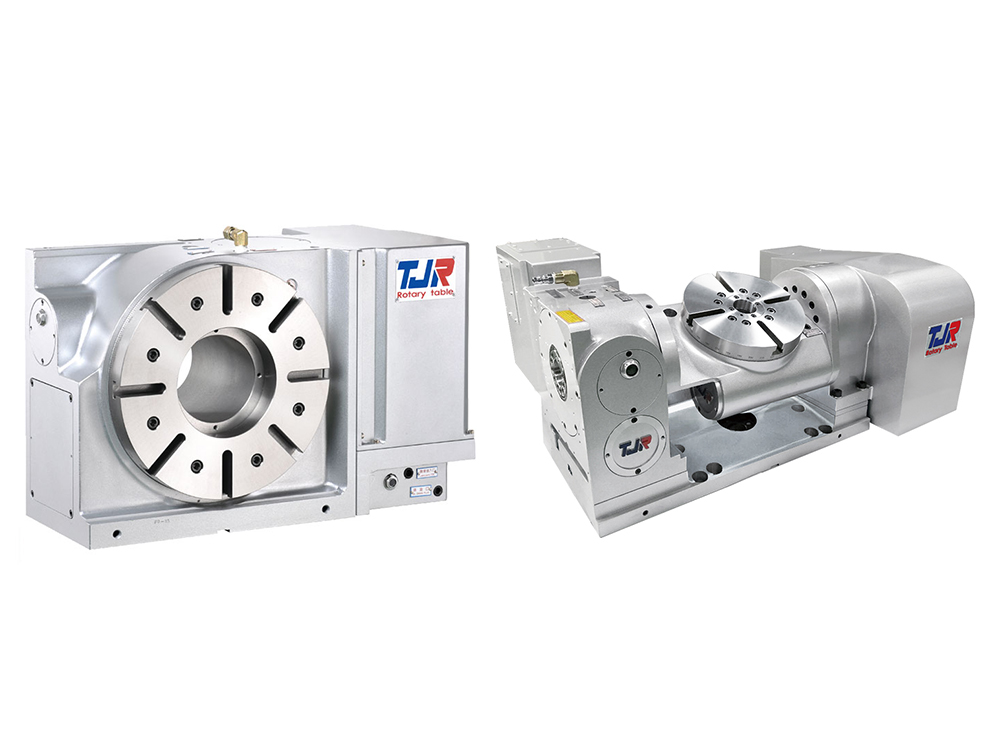
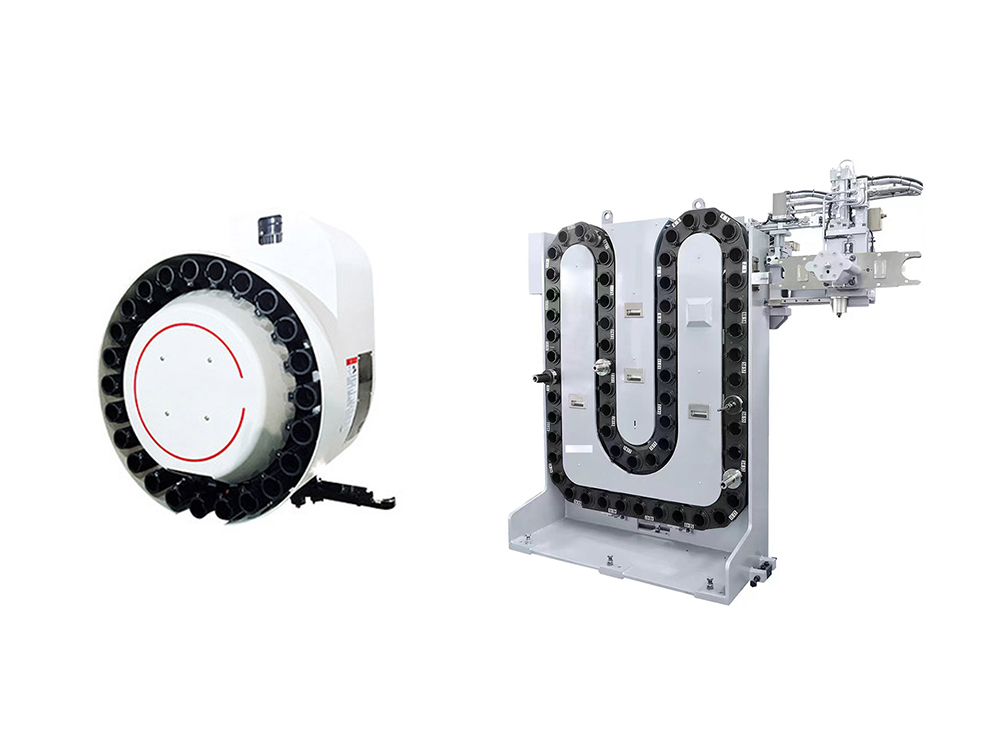
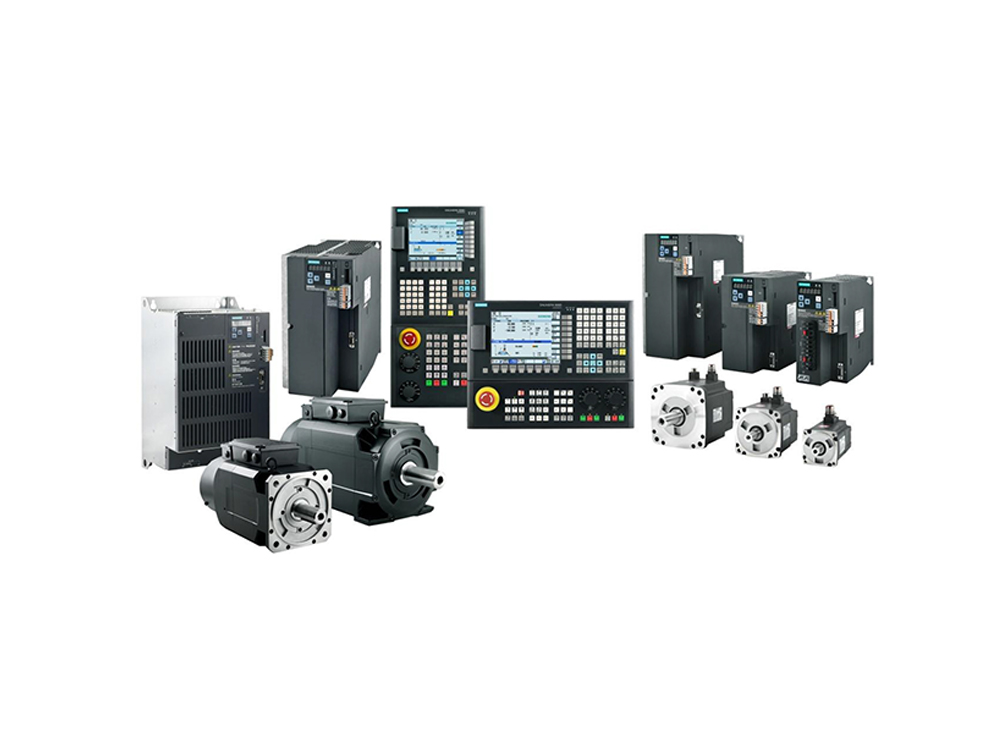
Following these steps can ensure the correct use of CNC tool holders, enhancing processing efficiency and quality. Different types of CNC tool holders may have specific operational differences, so it's important to follow the product manual and operating procedures accordingly.Our company offers high-quality CNC machining centers, CNC lathes, milling machines, CNC rotary tables, Renishaw, SIEMENS system,tool magazine,spindle,chuck, and other CNC machine tool accessories. For product purchases, feel free to contact us.


 Tel: (86 510) 68088084
 Whatsapp: +86-15852791610
 Mailbox: info@wxfagor.com

