
 Email:
  Whatsapp:

Clear records
history record

News

Related news
Six precautions in the process of CNC lathe processing
1. Reasonable selection of cutting amount
For high-efficiency metal cutting, the material to be processed, cutting tools, and cutting conditions are three major elements. These determine machining time, tool life and machining quality. An economical and effective processing method must be a reasonable choice of cutting conditions.
The three elements of cutting conditions: cutting speed, feed rate and depth of cut directly cause damage to the tool. With the increase of cutting speed, the temperature of the tool tip will rise, which will cause mechanical, chemical and thermal wear. Cutting speed increases tool life will reduce 1/2.
The relationship between feed conditions and tool back wear occurs in a very small range. However, the feed rate is large, the cutting temperature rises, and the wear behind is large. It has less effect on the tool than cutting speed. Although the effect of depth of cut on the tool is not as large as the cutting speed and feed rate, when cutting with a small depth of cut, the material to be cut will produce a hardened layer, which will also affect the life of the tool.
The user should choose the cutting speed to use according to the material to be processed, hardness, cutting state, material type, feed rate, depth of cut, etc.
2. Reasonable selection of tools
1) When roughing, it is necessary to choose a tool with high strength and good durability, so as to meet the requirements of large cutting capacity and large feed rate during rough turning.
2) When finishing the car, it is necessary to choose a tool with high precision and good durability to ensure the requirements of machining accuracy.
3) In order to reduce the tool change time and facilitate tool setting, machine-clamped tools and machine-clamped blades should be used as much as possible.
3. Reasonable selection of fixtures
1) Try to use general fixtures to clamp workpieces, and avoid using special fixtures;
2) Part positioning datum coincides to reduce positioning error.
4. Determine the processing route
The processing route refers to the movement trajectory and direction of the tool relative to the part during the machining process of the CNC machine tool.
1) It should be able to ensure the machining accuracy and surface roughness requirements;
2) The processing route should be shortened as much as possible to reduce the idle travel time of the tool.
5. The relationship between processing route and processing allowance
At present, under the condition that the CNC lathe has not yet been widely used, generally the excessive allowance on the blank, especially the allowance containing forged and cast hard skin layers, should be processed on the ordinary lathe. If it must be processed with a CNC lathe, attention should be paid to the flexible arrangement of the program.
6. Fixture installation points
At present, the connection between the hydraulic chuck and the hydraulic clamping cylinder is realized by a tie rod. The key points of hydraulic chuck clamping are as follows: firstly, use a wrench to remove the nut on the hydraulic cylinder, remove the pull tube, and pull it out from the rear end of the main shaft, and then use a wrench to remove the chuck fixing screw to remove the chuck.
The wiper edge on the tool refers to a small segment of the blade parallel to the tip that is ground in the direction of the secondary deflection behind the blade. It is mainly used for a secondary cut after cutting the blade, which is equivalent to removing burrs and other scars during the finishing process. Improving the surface roughness of workpieces is mostly used in finishing tools.
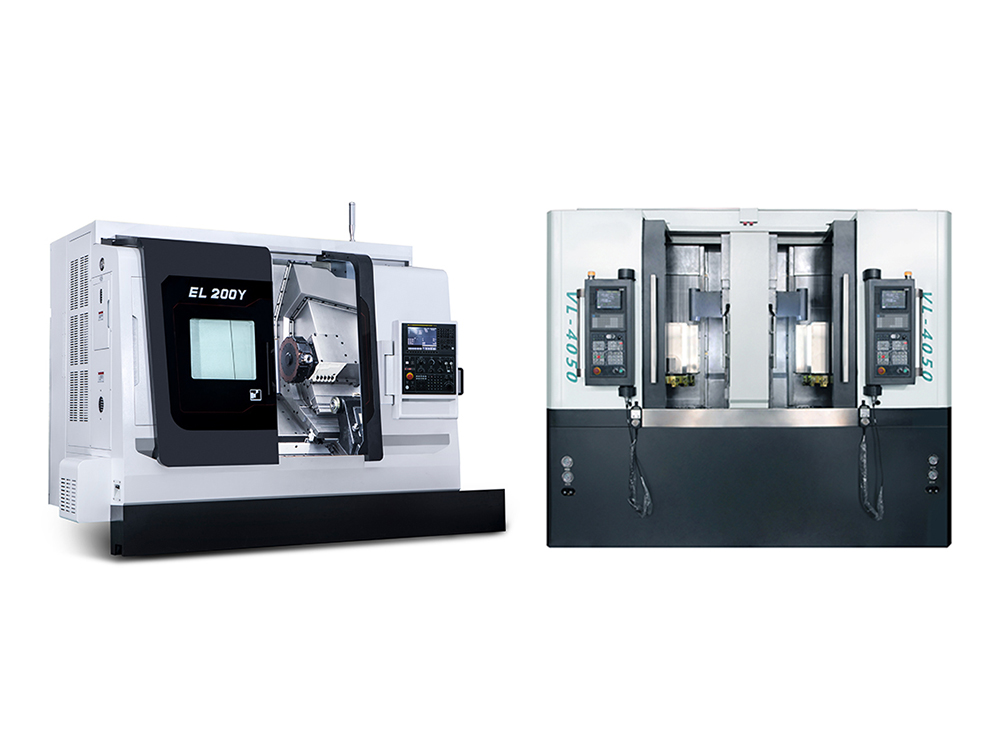
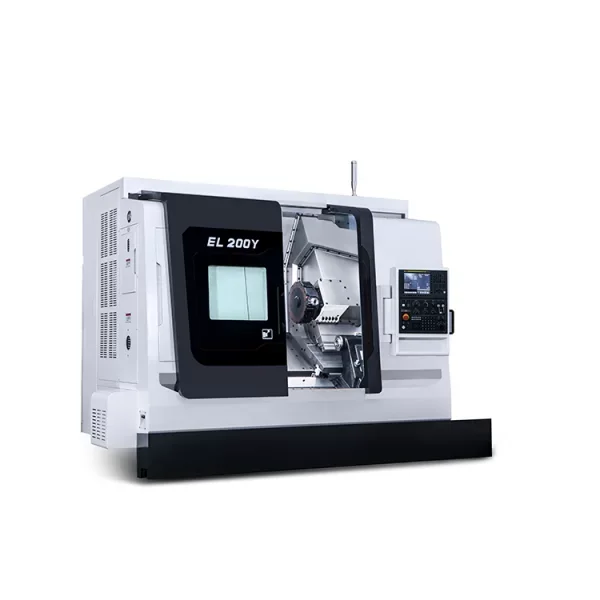
Fagor Technology Co., Ltd. is a professional supplier specializing in the production, testing and sales of high-quality, high-precision CNC machine tools. Production of professional formal CNC lathes. Welcome to visit the website or contact us anytime.


 Tel: (86 510) 68088084
 Whatsapp: +86-15852791610
 Mailbox: info@wxfagor.com

