
 Email:
  Whatsapp:


Clear records
history record

News

Related news
What are the common applications of the rotary tailstock in different industries?
The rotary tailstock, a versatile tool that spins its way into various industries, is no longer just for the metalworking enthusiasts. With its ability to enhance precision and efficiency, this ingenious device has found applications in a wide range of sectors. Whether you're in manufacturing, woodworking, or even automotive engineering, the rotary tailstock holds immense potential to revolutionize your processes. In this blog post, we'll dive deeper into the world of this remarkable contraption and explore its common applications across different industries. So buckle up and get ready to discover how the rotary tailstock can take your business to new heights!
What is a rotary tailstock?
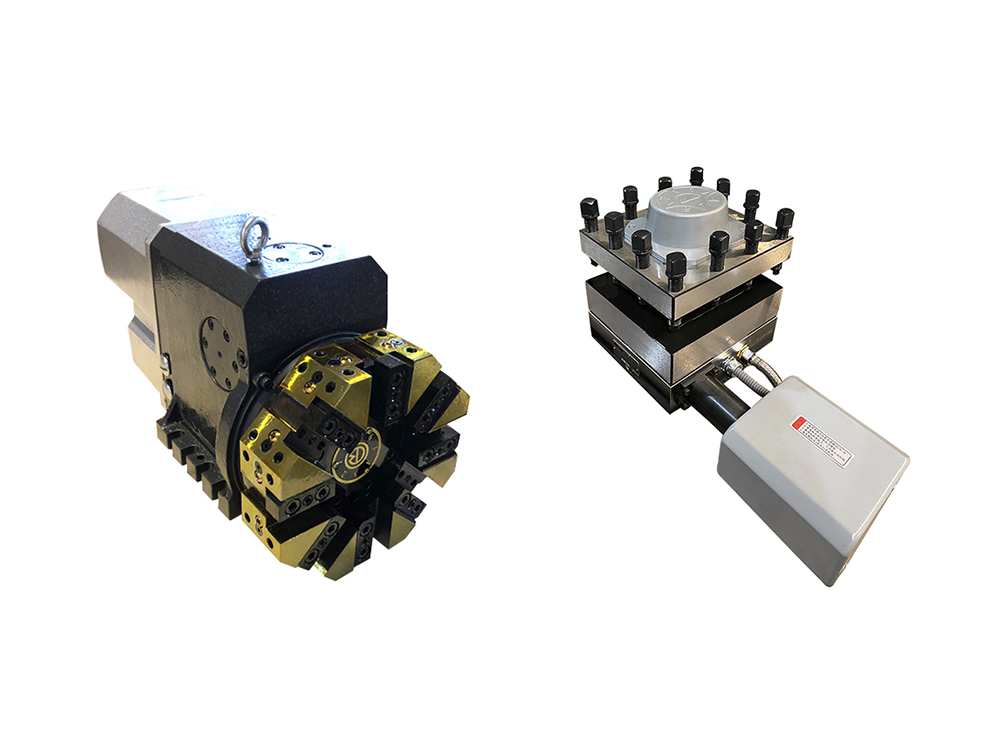
A rotary tailstock is a vital component in various industries, particularly those that rely heavily on machining and precision engineering. It serves as a support for long workpieces during operations such as drilling, turning, or milling. Unlike a fixed tailstock which remains stationary, the rotary tailstock has the ability to rotate and adjust its position along the length of the workpiece.
The primary function of a rotary tailstock is to provide stability and support to prevent bending or deflection of the workpiece while it undergoes machining processes. This helps maintain accuracy and ensures consistent results throughout production.
In industries such as automotive manufacturing, aerospace engineering, and metal fabrication, where precision is crucial, the rotary tailstock plays a vital role in achieving high-quality products. It allows for efficient handling of long or heavy workpieces that may otherwise be difficult to manage without proper support.
Moreover, the versatility of rotary tailstocks makes them suitable for various applications. They can accommodate different types of tooling systems and hold different sizes and shapes of workpieces securely in place. This flexibility enables operators to perform multiple tasks on a single setup without having to reposition or readjust their equipment constantly.
Additionally, some advanced models come equipped with features like hydraulic clamping systems or programmable controls that further enhance their functionality. These enhancements improve productivity by reducing setup time and increasing operational efficiency.
The use of rotary tailstocks offers numerous benefits across multiple industries by providing stability, improving accuracy, enhancing productivity, and enabling efficient handling of complex workpieces during machining processes.
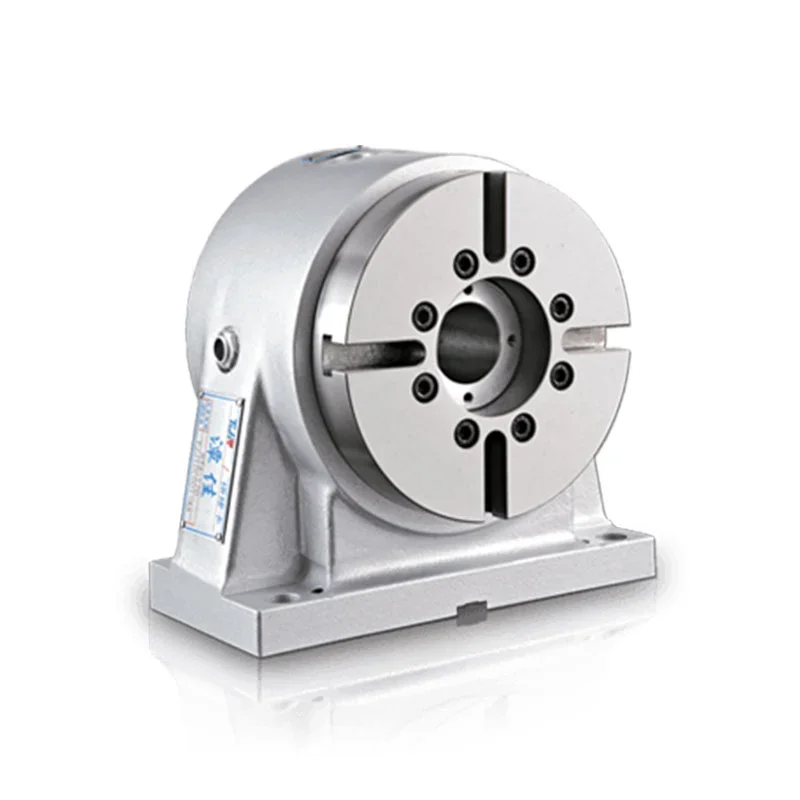
Applications of the rotary tailstock in different industries
The rotary tailstock is a versatile tool that finds applications in various industries, thanks to its ability to provide support and stability for rotating workpieces. Let's explore some of the common applications of the rotary tailstock in different industries.
In the automotive industry, the rotary tailstock is often used in machining operations such as turning and drilling. It helps to secure long or heavy components, ensuring precise and accurate results. Whether it's manufacturing engine parts or suspension components, the rotary tailstock plays a crucial role in achieving high-quality products.
The aerospace industry also benefits from the use of rotary tailstocks. When machining complex aircraft parts like turbine blades or landing gear components, precision is paramount. The rotary tailstock provides stability during these intricate machining processes, allowing for consistent and reliable outcomes.
Another industry where the rotary tailstock proves invaluable is manufacturing. From producing intricate metalwork pieces to fabricating custom-designed furniture, this tool ensures that workpieces remain firmly held in place while being machined or shaped.
Moreover, woodworking industries also rely on rotary tailstocks when working with large wooden logs or boards. These tools help maintain balance and prevent movement during cutting or shaping operations.
Furthermore, even in smaller-scale operations like jewelry making or watchmaking studios benefit from using a specialized miniaturized version of the rotary tailstock. This enables them to hold delicate materials securely while performing meticulous tasks such as engraving or stone setting.
As we can see from these examples across multiple industries, the flexibility and reliability provided by the rotary tailstock make it an essential component for many professionals seeking precision and efficiency in their work processes
Advantages of the rotary tailstock over other types of tailstocks
The rotary tailstock is a versatile tool that offers several advantages over other types of tailstocks. One key advantage is its ability to rotate, allowing for greater flexibility and precision in various industries.
The rotary tailstock allows for easy adjustment and alignment, ensuring precise positioning of workpieces. This is particularly beneficial in industries such as machining and manufacturing where accuracy is crucial. With the ability to rotate, it enables operators to make fine adjustments without needing to reposition or realign the entire setup.
The rotary tailstock provides improved stability and support during operations. It can securely hold heavy workpieces in place, reducing vibrations and enhancing overall stability. This feature makes it ideal for applications requiring high levels of precision and stability, such as metalworking or woodworking.
Additionally, the rotary tailstock offers increased efficiency by minimizing downtime between tasks. Its rotating capability eliminates the need to remove and reposition workpieces manually when changing angles or orientations. This translates into time savings, allowing operators to complete tasks more quickly while maintaining accuracy.
Furthermore, another advantage lies in its compatibility with various machines and equipment commonly used across different industries. Whether integrated with lathes or milling machines, the rotary tailstock seamlessly adapts to different setups without requiring extensive modifications or additional tools.
In conclusion (without using those specific words), these advantages make the rotary tailstock a valuable tool across multiple industries including machining,
manufacturing,metalworking,and woodworking.
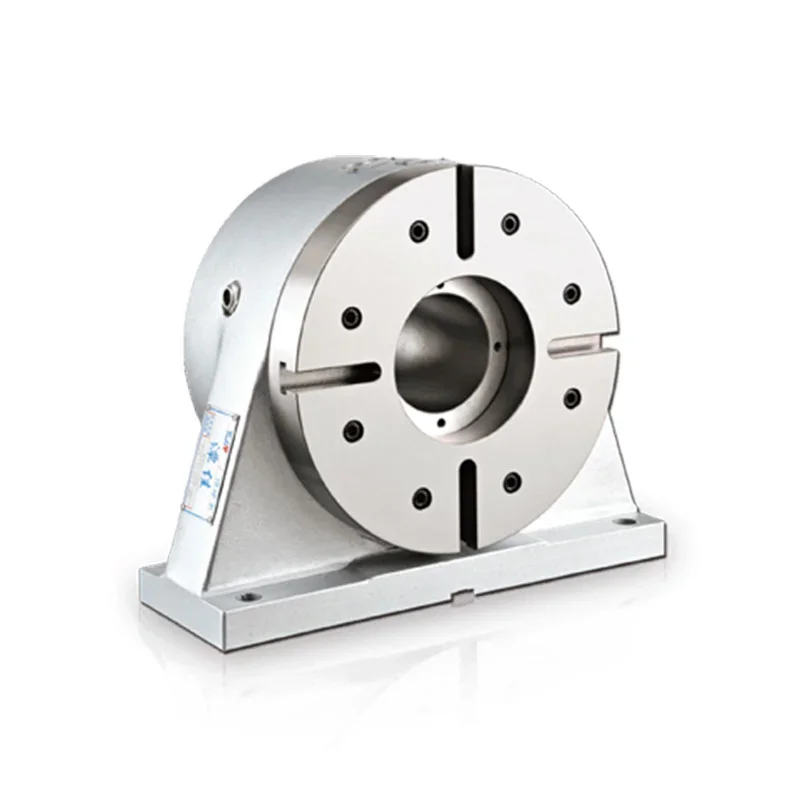
Disadvantages of the rotary tailstock
The rotary tailstock, while a valuable tool in many industries, does have its fair share of disadvantages. One major drawback is the potential for misalignment. Due to the nature of its rotating mechanism, there is a risk that the tailstock may not align perfectly with the workpiece. This can lead to inaccuracies and errors in machining or assembly processes.
Another disadvantage is limited capacity. Rotary tailstocks typically have a fixed size and cannot accommodate larger or longer workpieces. This can be problematic for industries that require working on oversized or heavy-duty materials.
Additionally, the rotary tailstock may not be suitable for high-speed applications. The rotational motion can create vibrations and instability at higher speeds, affecting precision and overall performance.
Maintenance can also be an issue with rotary tailstocks. The moving parts and bearings require regular lubrication and inspection to ensure smooth operation. Neglecting maintenance tasks can result in decreased efficiency and increased downtime.
Cost is another factor to consider when it comes to rotary tailstocks. Compared to other types of tailstocks, such as stationary or sliding ones, the rotary version tends to be more expensive due to its complex design and additional features.
Despite these disadvantages, it's important to note that the rotary tailstock still offers numerous benefits in industries like automotive manufacturing, aerospace engineering, woodworking, and more. It provides versatility by allowing angular adjustments during machining operations while ensuring stability during workpiece rotation.
Conclusion
The rotary tailstock is a versatile tool that finds applications in various industries. Its ability to provide support and stability during machining processes makes it an invaluable asset for precision work. From metalworking to woodworking, the rotary tailstock offers numerous benefits over other types of tailstocks.
In the automotive industry, the rotary tailstock plays a vital role in manufacturing components such as shafts, gears, and pistons. It ensures precise alignment and enables efficient machining operations.
In the aerospace sector, where precision is paramount, the rotary tailstock is used for tasks like drilling holes and turning cylindrical parts with high accuracy. It helps create complex shapes needed for aircraft components.
In the furniture industry, woodworkers rely on the rotary tailstock to turn legs or spindles for chairs and tables. The ability to adjust its position allows for different lengths and diameters without compromising stability.
Whether you're working with metals or wood materials or even involved in high-precision sectors like aerospace engineering – having a reliable rotary tailstock can greatly enhance your productivity and ensure superior results.If you need such a high-precision tool, please contact.jason@wxfagor.com


 Tel: (86 510) 68088084
 Whatsapp: +86-15852791610
 Mailbox: info@wxfagor.com

