
 Email:
  Whatsapp: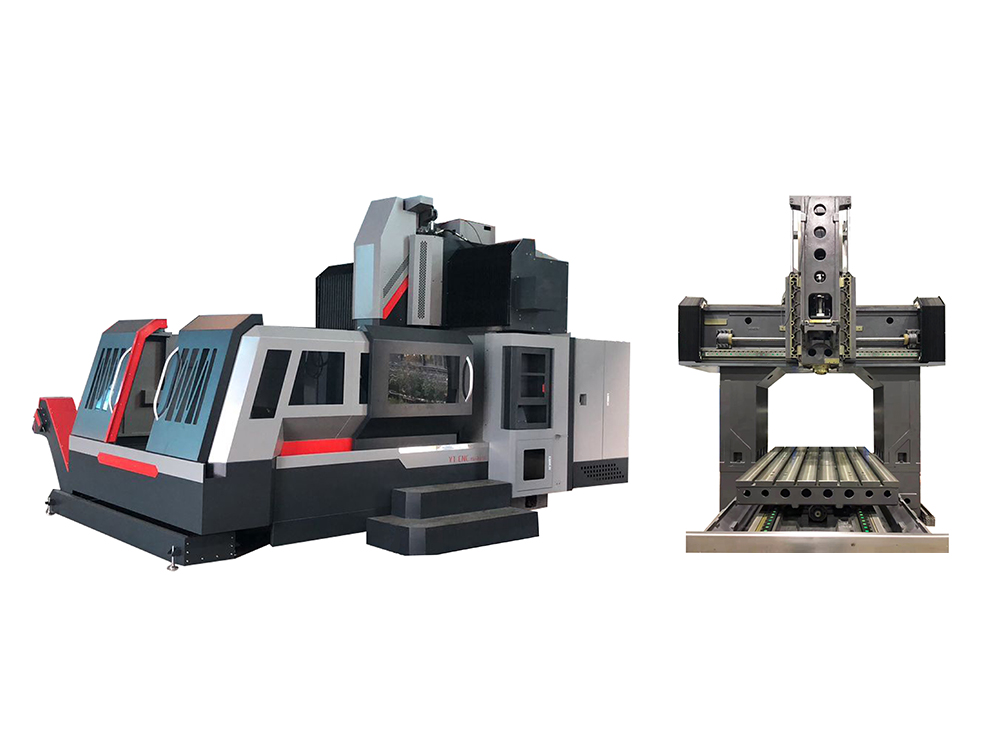

Clear records
history record

News

Related news
What is a rotary tailstock and how is it used in machining?
Are you a machinist or someone who works with metal? Then you're probably familiar with the importance of having precise tools to get the job done right. One such tool that can make all the difference in your machining projects is a rotary tailstock. This small but mighty device can help increase accuracy and efficiency in your work, saving you time and money in the long run. But what exactly is a rotary tailstock and how does it work? In this article, we'll explore everything you need to know about this handy machine attachment, including its benefits, different types available on the market today, and how to choose one that's right for your specific needs. So let's dive in!
What is a rotary tailstock?
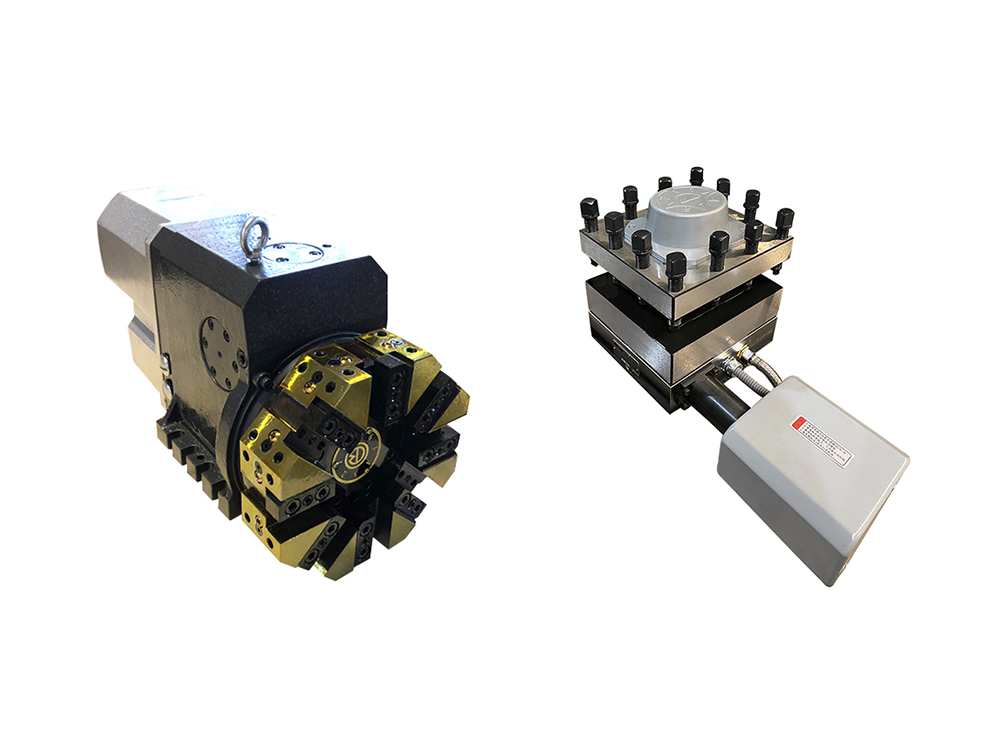
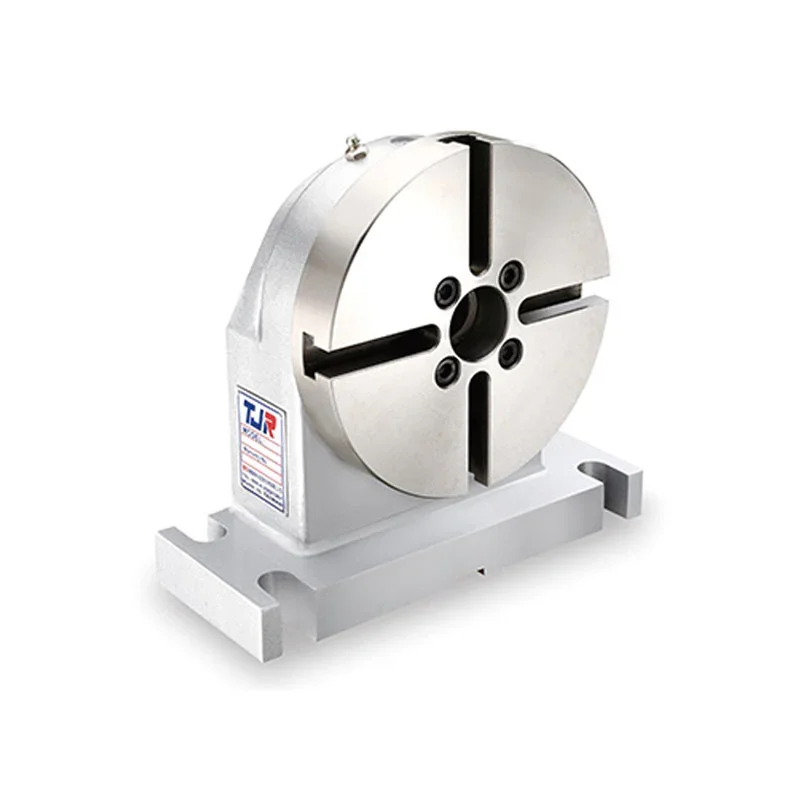
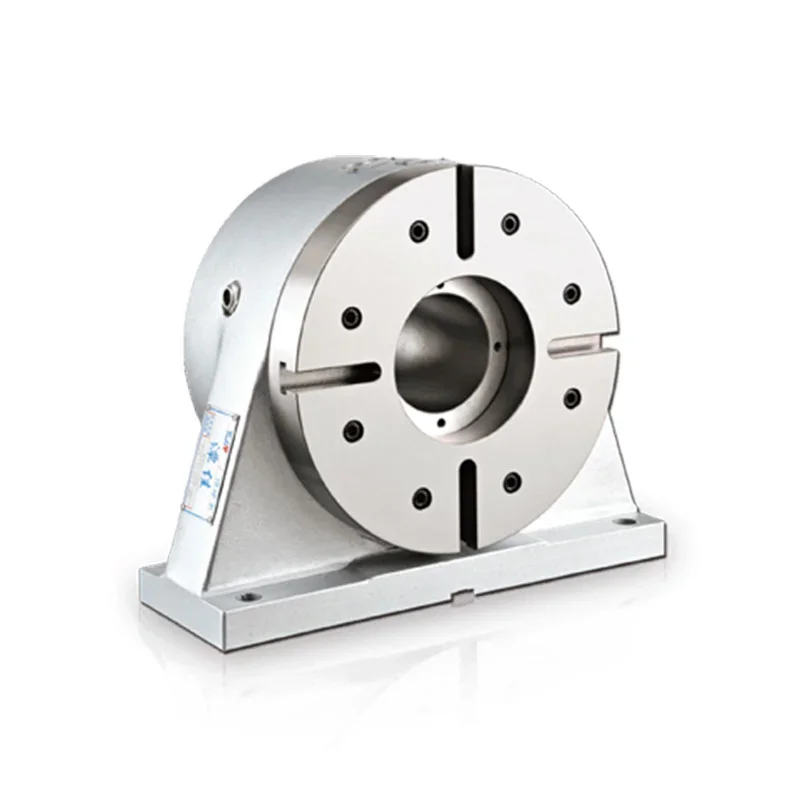
A rotary tailstock is a machining accessory that helps to hold and support workpieces during turning operations. This device attaches to the end of a lathe bed, opposite the headstock, and consists of two main components: the body and the quill.The body of a rotary tailstock is typically made from heavy-duty cast iron or steel for stability and durability. It features an adjustable base that allows it to be positioned at different angles along the length of the lathe bed. The quill, on the other hand, is a movable spindle that extends out from the body and can be adjusted up or down as needed.Rotary tailstocks are commonly used in metalworking applications such as drilling, boring, reaming and tapping operations. They provide additional support for long workpieces or those with irregular shapes that may not fit securely in a traditional chuck.Investing in a good quality rotary tailstock can help you achieve greater precision in your machining projects while also reducing operator fatigue by eliminating manual adjustments during turning operations.
How is it used in machining?
In machining, a rotary tailstock is an essential tool that plays a crucial role in ensuring precision and accuracy. It is used mainly to support long workpieces or cutting tools that extend beyond the machine's headstock.The rotary tailstock holds the workpiece firmly in place while it rotates, allowing for precise drilling or turning operations. This feature ensures that there are no deviations from the desired dimensions or tolerances during machining.Moreover, using a rotary tailstock also increases efficiency in manufacturing processes as it enables continuous production of multiple parts without any interruptions caused by repositioning the tool.Another advantage of using this equipment is its versatility as it can be adjusted to accommodate different sizes and shapes of materials being machined. Additionally, it enhances safety by reducing accidents due to slipping or bending of long workpieces.Incorporating a rotary tailstock into your machining process can lead to improved quality and productivity while reducing wastage and downtime.
The benefits of using a rotary tailstock
A rotary tailstock is a versatile tool that can greatly benefit the machining process. One of its main advantages is its ability to hold and rotate a workpiece while it's being machined, which allows for greater precision and accuracy.Another benefit of using a rotary tailstock is that it can help reduce setup times. Instead of having to manually adjust the position of the workpiece between operations, you can simply rotate it using the tailstock, which saves time and effort.Rotary tailstocks are also highly customizable, with different models offering various features such as adjustable center height and interchangeable tips. This means you can choose a model that best suits your needs and tailor it to specific projects.In addition, using a rotary tailstock in conjunction with other tools such as lathes or milling machines can further enhance their capabilities. Together they create an efficient system that enables faster production times without compromising on quality.Incorporating a rotary tailstock into your machining process offers numerous benefits that help streamline workflow and improve output quality.
The different types of rotary tailstocks
There are several types of rotary tailstocks available in the market, each designed to cater to specific machining needs. Here are some of the most commonly used rotary tailstocks:
1. Manual Rotary Tailstock - As the name suggests, this type of tailstock is operated manually and requires an operator to rotate it according to their requirements.
2. Hydraulic Rotary Tailstock - This type of tailstock uses hydraulic pressure for its operation and can be controlled with a foot pedal or push-button control.
3. Pneumatic Rotary Tailstock - Similar to hydraulic rotary tailstocks, pneumatic rotary tailstocks use air pressure for their operation and can be controlled using a foot pedal or push-button control.
4. Servo-Driven Rotary Tailstock - These advanced systems use servo motors that enable precise positioning and better accuracy during machining processes.Choosing the right type of rotary tailstock depends on various factors such as spindle size, weight capacity, speed range, precision requirements, etc. It's essential to consider all these aspects before selecting a rotary tailstock for your machining needs.Understanding the different types of rotary tailstocks available in the market is crucial when choosing one that best suits your machining needs. Choose wisely!
How to choose the right rotary tailstock for your needs
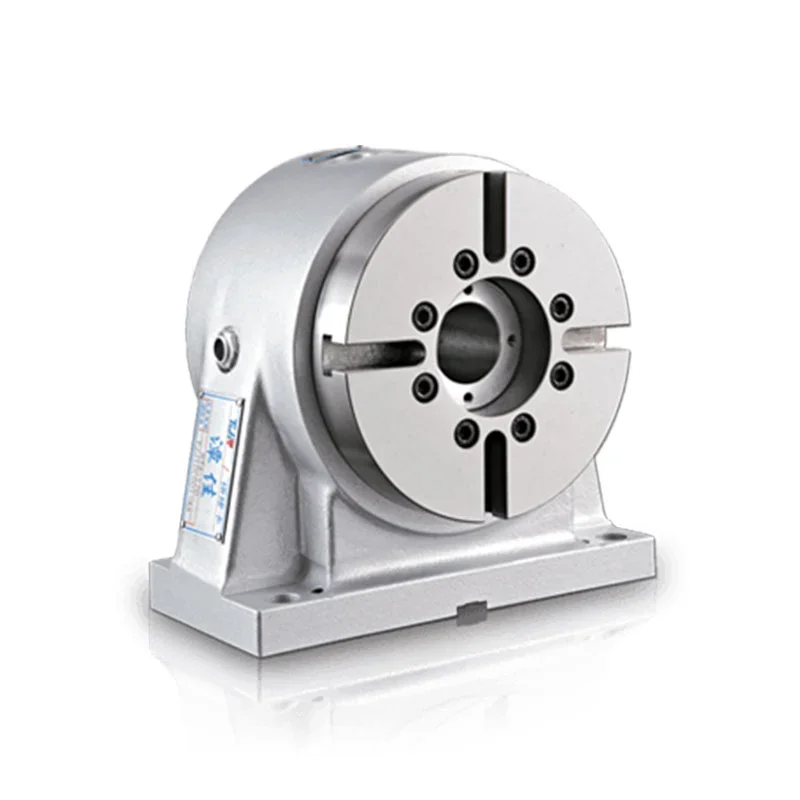
When it comes to choosing the right rotary tailstock for your machining needs, there are a few key factors to consider. You need to think about the weight and size of the parts that you’ll be working with. This will help you determine what type of rotary tailstock is best suited for your specific job.Another important factor is the level of precision required in your work. If precision is paramount, then a high-quality rotary tailstock with accurate bearings and clamping mechanisms may be necessary. On the other hand, if precision isn’t as critical, a lower-cost option may suffice.It’s also important to consider compatibility with your existing equipment and machinery when selecting a rotary tailstock. Make sure that any potential options can be easily integrated into your current setup without requiring significant modifications or additional investments.Take into account any additional features or capabilities that might benefit your operations such as adjustable angular positioning or programmable indexing.By taking all of these factors into consideration and doing thorough research on available options, you can choose the right rotary tailstock for your unique requirements and achieve optimal results in all of your machining projects.
Conclusion
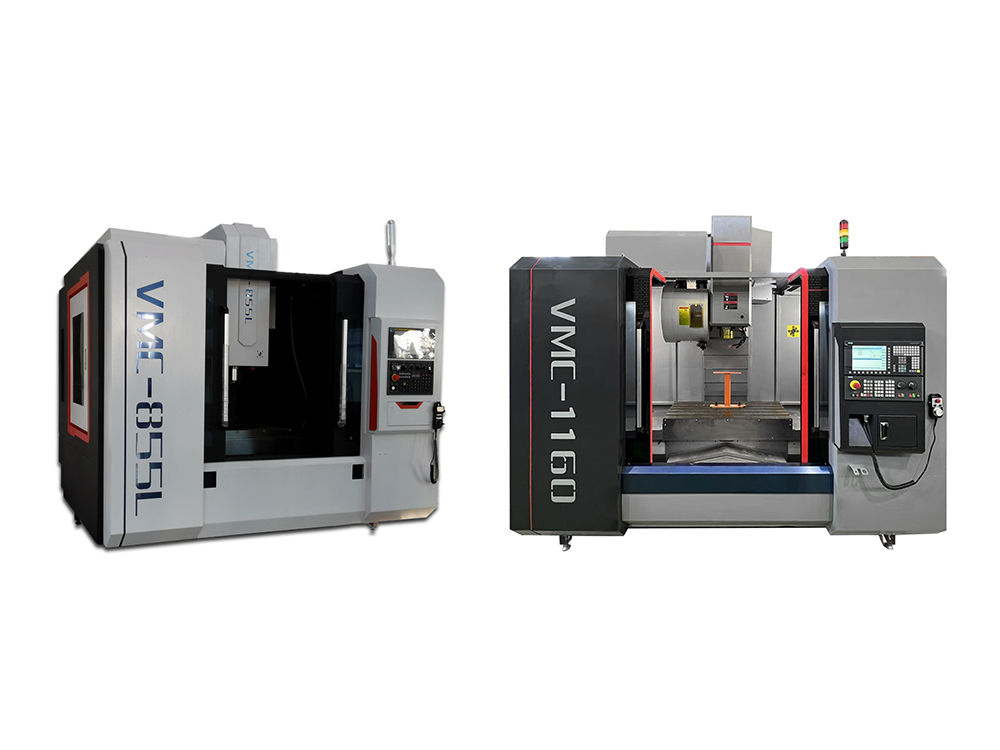
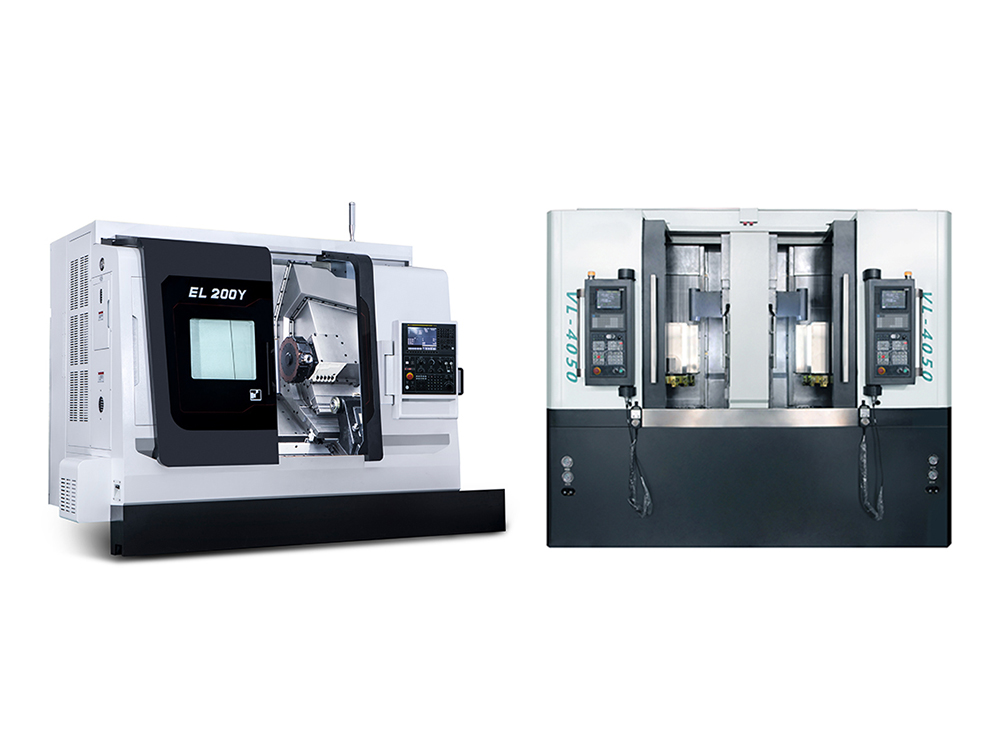
After exploring what a rotary tailstock is, how it's used in machining, the benefits of using one, and the different types available on the market today, it's clear that this tool is an essential component for anyone working with lathes or other machine tools.By providing additional support to workpieces during turning operations, rotary tailstocks help ensure precision and accuracy in manufacturing. They also allow for greater flexibility by enabling users to quickly change out parts without having to reset their equipment.When selecting a rotary tailstock for your needs, be sure to consider factors such as size compatibility with your lathe or machine tool and weight capacity requirements. With so many options available on the market today, there's no doubt you'll find one that meets all of your needs.Investing in a high-quality rotary tailstock is well worth considering if you're serious about achieving optimal results in machining.Wuxi Fagor technology Co., Ltd. is a professional supplier which is specialized in production, testing and sales of high quality and high precision CNC machines, including CNC gantry milling machine, CNC milling machine, CNC lathe, machine tool accessories, etc., We have CE certification with international quality standards and are widely used in engineering machinery, other industries, etc.If you have need,welcome to contact us.jason@wxfagor.com


 Tel: (86 510) 68088084
 Whatsapp: +86-15852791610
 Mailbox: info@wxfagor.com

