
 Email:
  Whatsapp: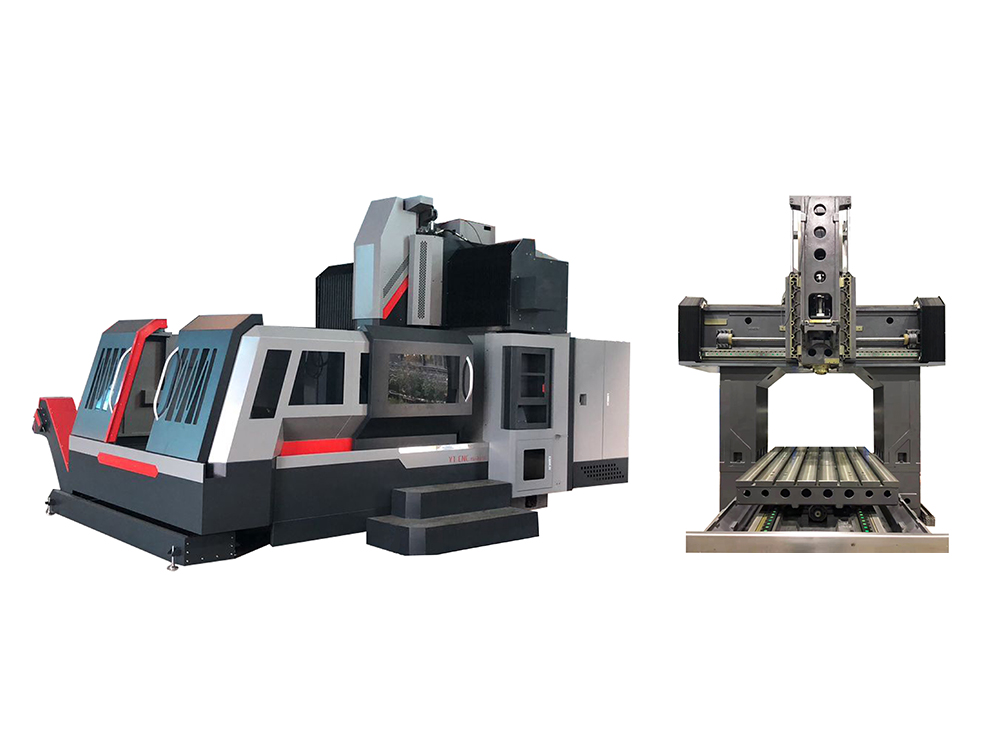

Clear records
history record

News

Related news
What are the types of tool holders commonly used in machining centers?
The tool holder system commonly used in CNC milling machines (machining centers) consists of three parts: the tool holder, pull stud, and collet (or intermediate module). The CNC milling cutter connects to the spindle of the CNC machining center through the tool holder, and its strength, rigidity, wear resistance, manufacturing precision, and clamping force directly affect the machining process. Therefore, it is essential to use standardized tool holders to ensure that standard tools for drilling, boring, reaming, and milling can be quickly and accurately mounted on the machine spindle or in the tool magazine.Below are the types of tool holders commonly used in machining centers and their applications:
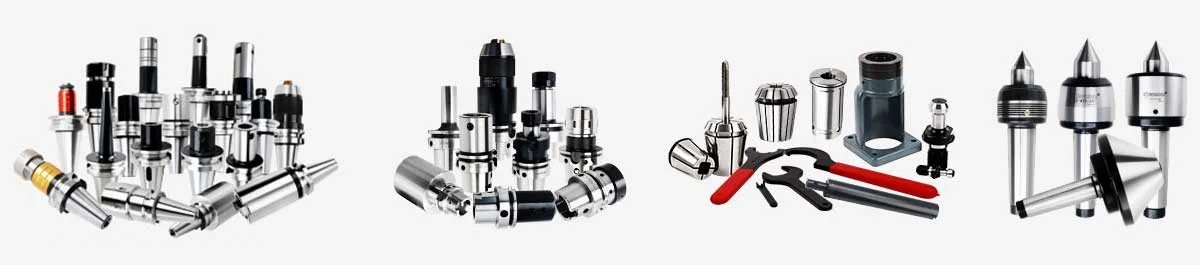
1. BT Tool Holder
The BT tool holder has the same taper as the CAT tool holder (typically 7:24) but features a symmetric structural design that improves balance during high-speed rotation, helping to reduce machining vibration. It is cost-effective, with good symmetry, and is suitable for general machining scenarios. The taper size is stable, and maintenance is simple. In high-precision machining, its rigidity and clamping accuracy are slightly inferior to those of HSK tool holders, making it suitable for medium-intensity machining. It is ideal for machining parts that require medium precision, especially in CNC machining centers in the Asian market.
2. HSK Tool Holder
The HSK tool holder adopts a hollow taper design, ensuring stability at high rotational speeds. When the tool holder is coupled with the spindle, the metal piece at the rear of the tool holder expands to fit tightly into the spindle bore. HSK tool holders offer high precision and rigidity, maintaining clamping force even at high speeds, making them ideal for precision machining. The hollow structure makes the tool holder lighter, allowing for faster tool changes. They are expensive and require precise matching between the spindle and tool holder, and are susceptible to thermal expansion. HSK tool holders are suitable for high-precision, high-speed machining applications such as aerospace and mold manufacturing.
3. ISO Tool Holder
ISO tool holders are international standard tool holders, compatible with various types of machining centers. They have a 7:24 taper, similar to BT and CAT, but without a fixed position for alignment. ISO tool holders are highly standardized and versatile, with a strong clamping force suitable for medium-intensity cutting. Compared to HSK, they have lower rigidity and are better suited for traditional, medium- and low-speed machining. They are commonly used in standard machining applications, particularly in the mechanical processing sector in Europe and North America.
4. CAT Tool Holder
The CAT tool holder is structurally similar to the BT tool holder, but its alignment structure is slightly different, making it more suitable for machining centers that follow North American standards. It typically has a 7:24 taper and is used for higher cutting volumes. CAT tool holders provide a strong clamping force, making them suitable for heavy-load machining. They are ideal for rough machining and high cutting force applications. However, their clamping precision is lower than that of HSK, and they are less stable, with a larger weight.
5. SK Tool Holder
The SK tool holder (also known as the DIN tool holder) has a larger taper, usually 8:24, making it more suitable for heavy-load machining and low-speed, high-precision machining in the European market. The larger taper angle enhances overall rigidity. It features a high-rigidity design, making it ideal for heavy cutting, especially in the machining of hard materials such as steel and cast iron. However, SK tool holders are heavier, making them unsuitable for high-speed machining, and their clamping precision is lower.
6. ER Spring Collet Tool Holder
ER tool holders, combined with spring collets, are flexible and can hold tools of various diameters. They have a simple structure and are easy to replace, typically used in light cutting operations such as drilling and tapping with small-diameter tools. They offer ease of tool replacement and a broad range of applications, making them ideal for machining small tools and small-diameter drills.
7. Power Tool Holder
Power tool holders have extremely high rigidity and clamping force, making them especially suitable for heavy cutting operations with large cutting volumes. They provide stable clamping in heavy-duty cutting and rough milling. However, they are not suitable for precision machining due to their lower accuracy.
In general, no single tool holder system is universally applicable. The selection of the appropriate tool holder depends on the specific machining requirements. For example, a tool holder designed for high-speed precision machining may lack the rigidity and strength needed for efficient cutting, while a tool holder for rough machining may lack dynamic balance. When selecting a tool holder, it is essential to consider factors such as the material being machined, the required machining precision, and machining efficiency to ensure both machining quality and efficiency.
What are the manufacturers of CNC tool holders?
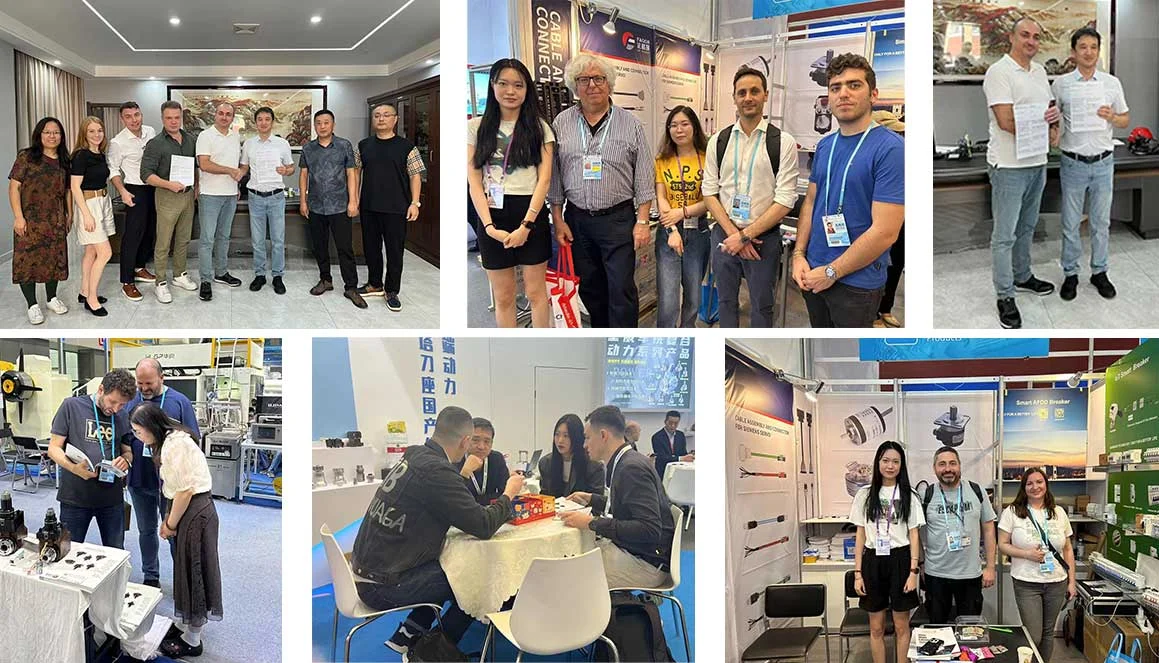
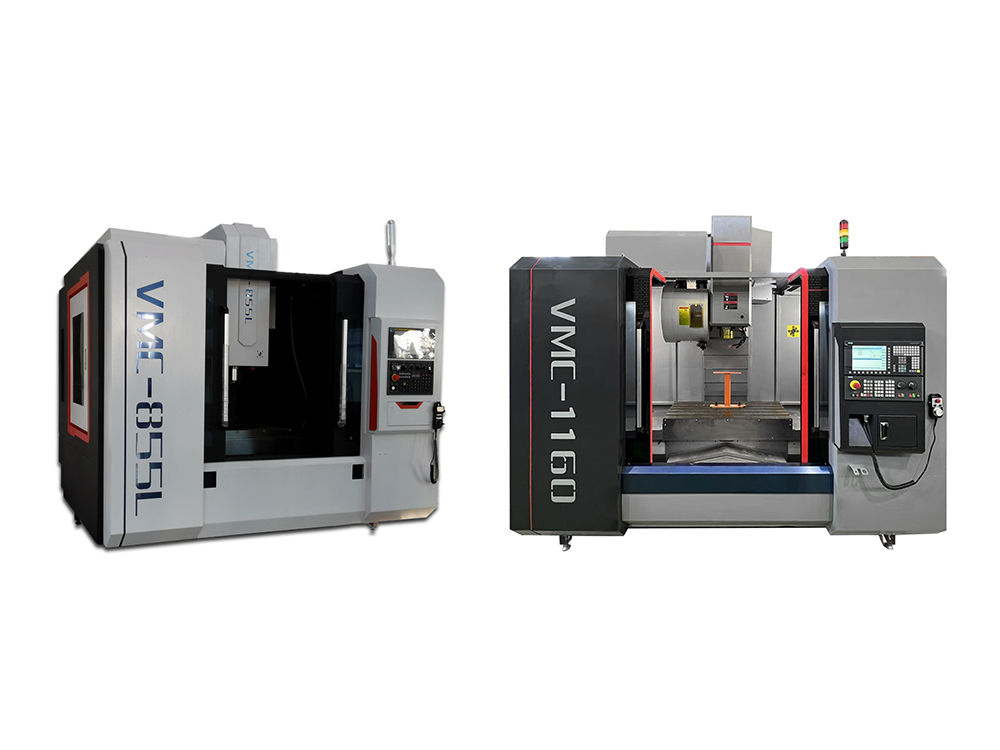
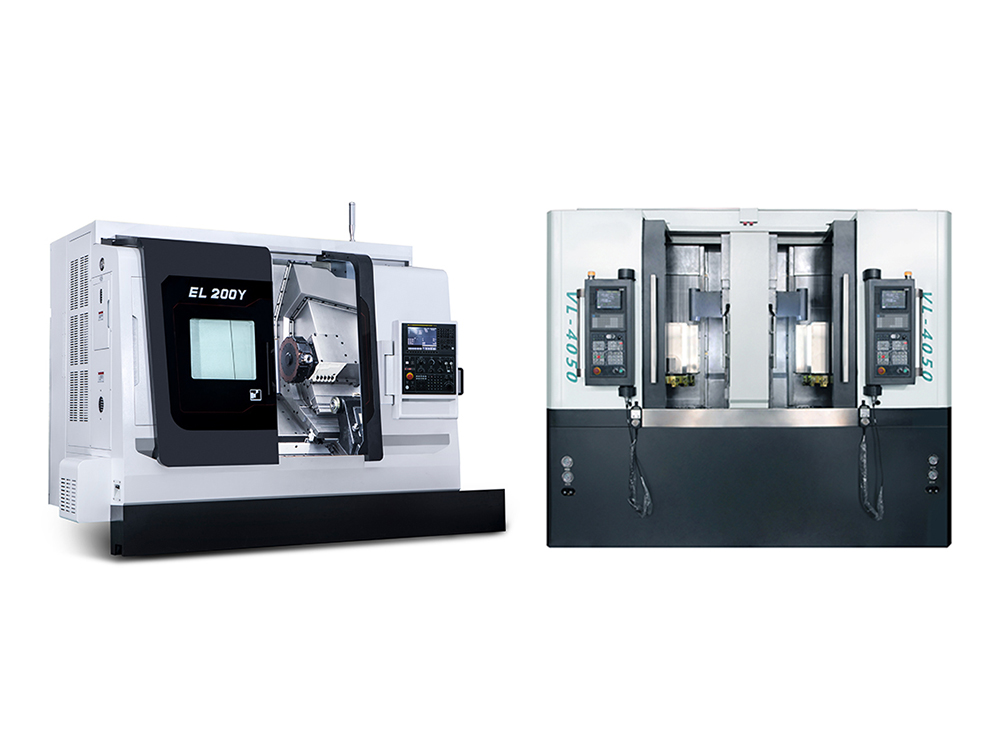
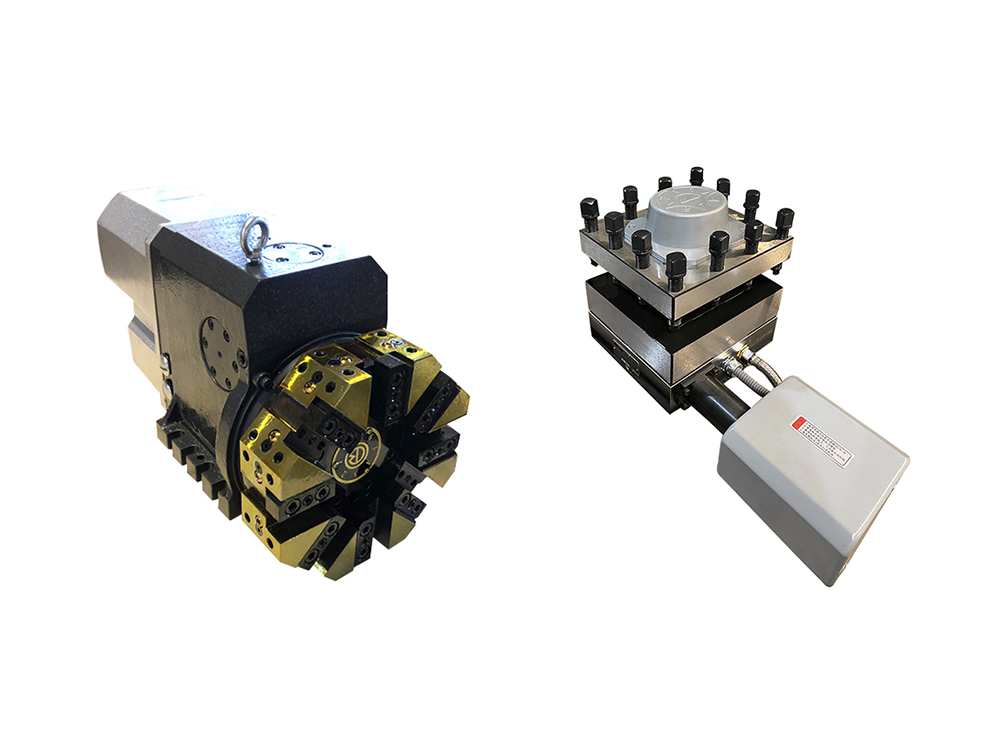
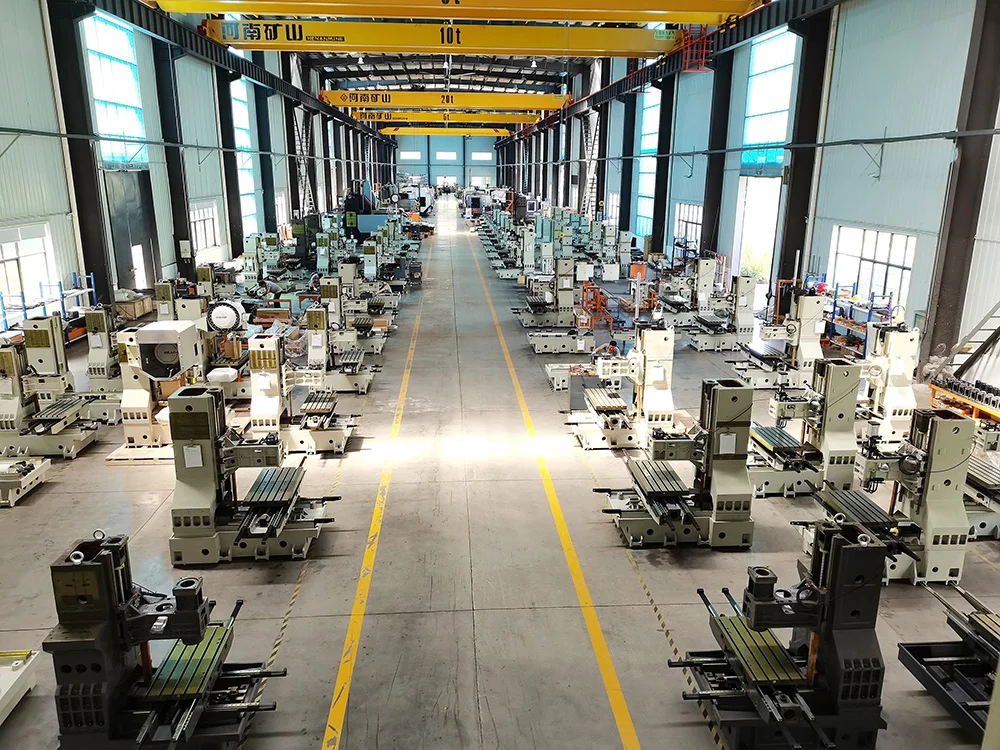
Wuxi Fagor Technology Co., Ltd. is a leading supplier specializing in the production, testing, and sales of high-quality, high-precision CNC machinery. Our product range includes CNC gantry milling machines, vertical machining center, CNC lathes, tool holder,machine tool accessories, and more. All of our products meet international quality standards and hold CE certification, ensuring their reliability and performance. They are widely used in various industries, including engineering machinery, manufacturing, and beyond.
In addition to top-notch products, Wuxi Fagor is committed to providing professional technical support and exceptional after-sales service. We offer competitive prices, making our products highly regarded and sought after in diverse markets around the globe. Our dedication to quality and customer satisfaction has earned us a strong reputation internationally, and we continue to be a trusted partner for businesses worldwide.


 Tel: (86 510) 68088084
 Whatsapp: +86-15852791610
 Mailbox: info@wxfagor.com

