
 Email:
  Whatsapp: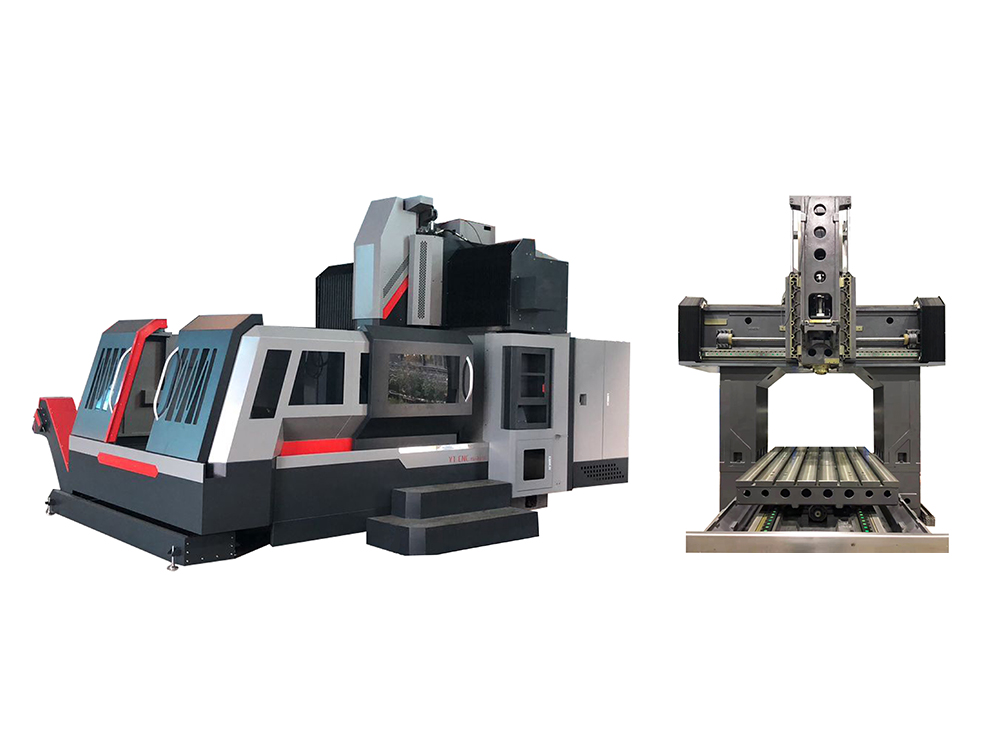

Clear records
history record

News

Related news
What is a CNC Turntable and How Does It Work?
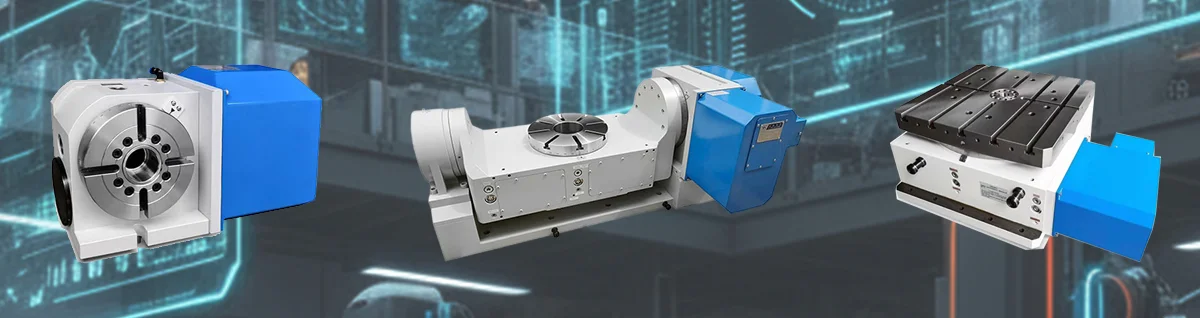
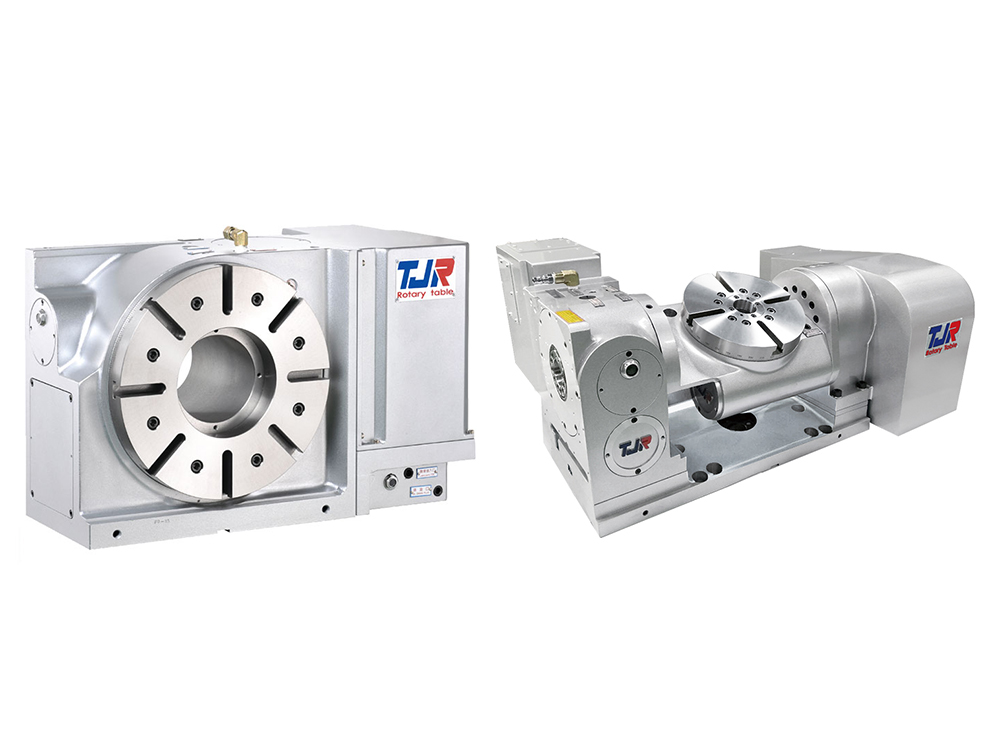
CNC turntable is a precision rotary device widely used in CNC machining centers, milling machines, and multi-axis turning operations. Its primary purpose is to provide highly accurate rotational positioning of a workpiece, enabling complex geometries to be machined with fewer setups, higher efficiency, and greater precision.
By integrating a CNC turntable into your machining workflow, manufacturers can perform multi-face machining, circular milling, drilling, tapping, and 4th/5th-axis operations without repeated repositioning. This not only enhances productivity but also reduces the potential for human error, making it essential in modern manufacturing.
Design of the CNC Turntable
A CNC turntable is a robust, motor-driven rotary unit engineered to deliver precise indexing and continuous rotation.Key Components:
1.Construction: Most CNC turntables are made from high-strength cast iron or advanced alloys, providing rigidity and minimizing vibration during machining.
2.Drive System: Modern turntables typically feature servo motors with worm gears or direct-drive systems, offering high torque, smooth rotation, and precise speed control.
3.Clamping and Locking: Hydraulic or pneumatic clamping mechanisms securely hold the workpiece during operations, preventing deflection and ensuring accuracy.
4.Configurations: CNC turntables come in various configurations—single-axis rotary tables, dual-axis tilting tables, and full 5-axis trunnion systems, depending on machining requirements.
Indexing and Positioning Mechanism
Accurate indexing is the core function of a CNC turntable.
1.Servo Motor Control: The table can rotate to any programmed angle with repeatability often measured in arc-seconds.
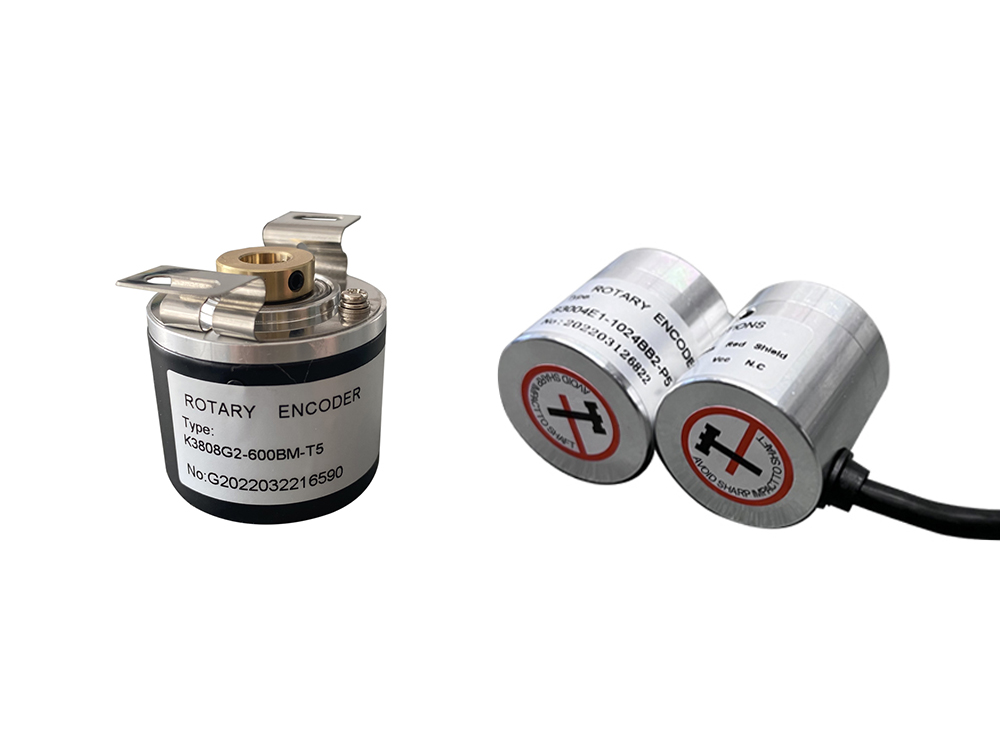
2.High-Precision Encoders: Feedback systems guarantee the turntable maintains exact positioning throughout the machining cycle.
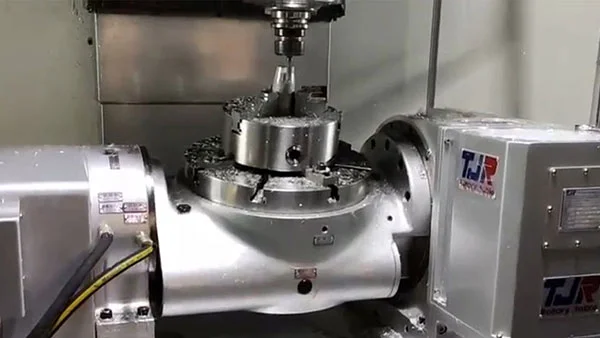
3.Continuous 4th-Axis Operations: Smooth, uninterrupted rotation enables rotary milling, helical cutting, and gear machining. For indexing tasks, the table stops precisely at programmed angles and locks securely.
Types of CNC Turntables
Manual Rotary Tables: Operated by handwheels, suitable for simple angular machining.
CNC Rotary Tables: Servo-driven and programmable for automated precision machining.
Tilting Rotary Tables: Offer dual-axis movement (rotation + tilt), essential for 5-axis machining.
High-Speed Direct-Drive Tables: Eliminate worm gears, offering zero backlash and ultra-fast indexing, ideal for aerospace, medical, and high-precision industries.
Benefits of Using a CNC Turntable
Reduced Setups: Multi-face machining without reclamping saves time and reduces errors.
Increased Efficiency: Perform complex operations in a single setup, shortening production cycles.
Higher Precision: Encoder feedback and servo-driven systems ensure consistent, repeatable accuracy.
Flexibility: Suitable for milling, drilling, tapping, and contouring across industries, from aerospace to medical.
Cost Savings: Fewer setups and less handling reduce labor costs and increase throughput.
A Brief History of CNC Turntable Development
Rotary tables have evolved significantly:
Traditional Milling Era: Manual rotary tables allowed angular machining but required multiple setups.
1950s – Numerical Control Rise: CNC integration enabled automatic indexing, improving precision and efficiency.
1980s – 4-Axis CNC Machining: Turntables were integrated into machining centers for complex part geometries.
Modern Developments: Direct-drive systems, zero-backlash technology, and Industry 4.0 integration enable smart factory connectivity and real-time monitoring.
Applications of CNC Turntables
CNC turntables are indispensable in industries where precision and multi-axis machining are critical:
Automotive: Engine blocks, transmission housings, gear components.
Aerospace: Turbine blades, structural fittings, lightweight aluminum parts.
Medical: Surgical instruments, orthopedic implants, complex medical components.
Energy: Valve bodies, pump housings, turbine components.
Mold & Die: Multi-angle cavities and intricate shapes requiring high accuracy.
Manual vs. CNC Turntables
| Feature | Manual Rotary Tables | CNC Turntables |
| Operation | Handwheel-driven | Servo-driven, programmable |
| Speed & Efficiency | Slow, limited | High-speed, automated |
| Accuracy | Moderate | Extremely precise, repeatable |
| Multi-Axis Capability | Limited | Supports 4th & 5th-axis machining |
Applicable Scene | Small shops, simple parts | High-volume, complex parts |
While manual rotary tables remain suitable for simple workshops, CNC turntables are essential for modern manufacturing, offering efficiency, precision, and automation for competitive industries.
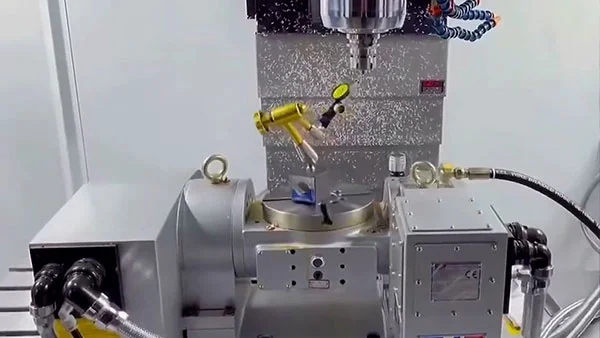
Purchasing a CNC Turntable in Europe: The Fagor CNC Advantage
When buying CNC turntables, choosing the right supplier is crucial for ensuring quality, reliability, and service support. Fagor CNC is a leading provider of advanced CNC machine accessories, including precision turntables, across Europe.
Why Choose Fagor CNC?
Precision Engineering: Cutting-edge servo and direct-drive technologies ensure durability and accuracy.
Wide Export Network: Fast delivery and local after-sales support throughout Europe.
Customization Options: Standard and tailor-made turntables for various machining centers.
Comprehensive Support: Installation guidance, operator training, and ongoing technical assistance for maximum productivity.
FAQ About CNC Rotary Table
Q1. How does a rotary table work?
A rotary table works by rotating a workpiece around a central axis. In CNC machining, a servo motor drives this rotation, allowing the table to stop at precise angles (indexing) or rotate continuously for 4th-axis machining. This enables multi-face machining, spiral cutting, and complex contouring with fewer setups.
Q2. What is a CNC rotary table?
A CNC rotary table is a motorized, computer-controlled rotary device used as an additional axis in machining centers. It provides programmable angular positioning and high-precision rotation, enabling operations such as circular milling, gear machining, and multi-face drilling in a single setup.
Q3. What is a rotating table used for?
A rotating table is used to increase the flexibility and efficiency of CNC machining. It allows manufacturers to machine multiple surfaces of a part, create complex geometries, and reduce setup times. Applications include aerospace components, automotive parts, molds, dies, and medical implants.
CNC turntable is more than a machining accessory—it’s a precision tool that transforms standard CNC machines into multi-axis, high-productivity systems. With technical specs such as ±5 arc-seconds positioning, heavy load capacity, and high-speed rotation, CNC turntables meet modern manufacturing demands.
For European businesses, Fagor CNC provides reliable, customizable CNC turntables with full support, ensuring efficiency, accuracy, and long-term productivity. By understanding how rotary tables work, what CNC rotary tables are, and what they are used for, manufacturers can make informed decisions for their operations.
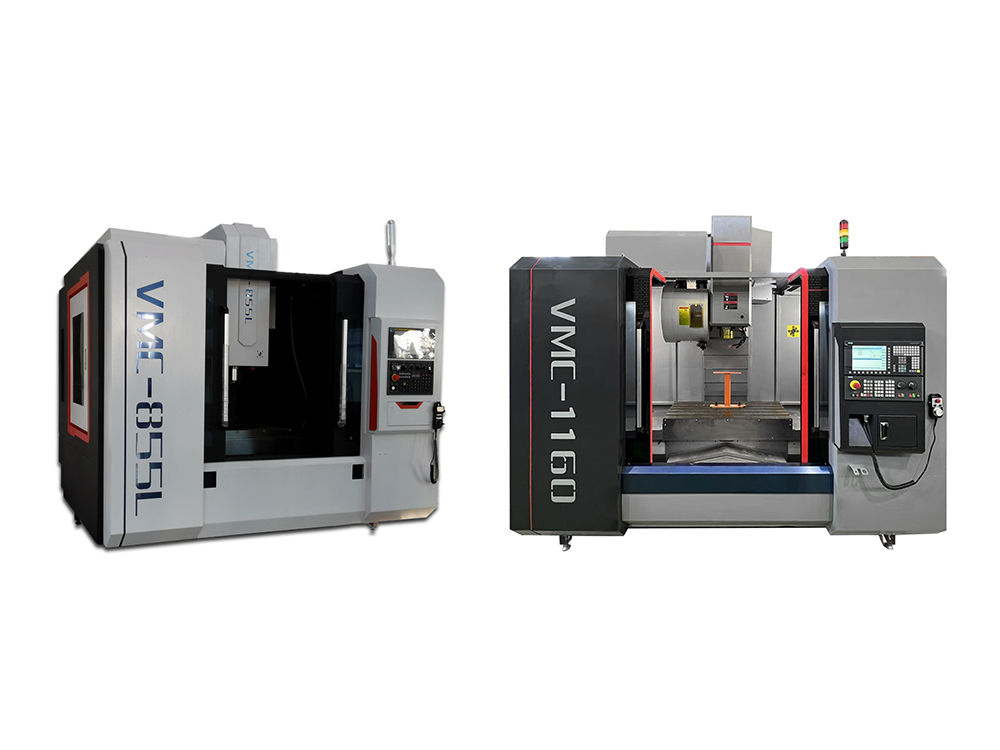
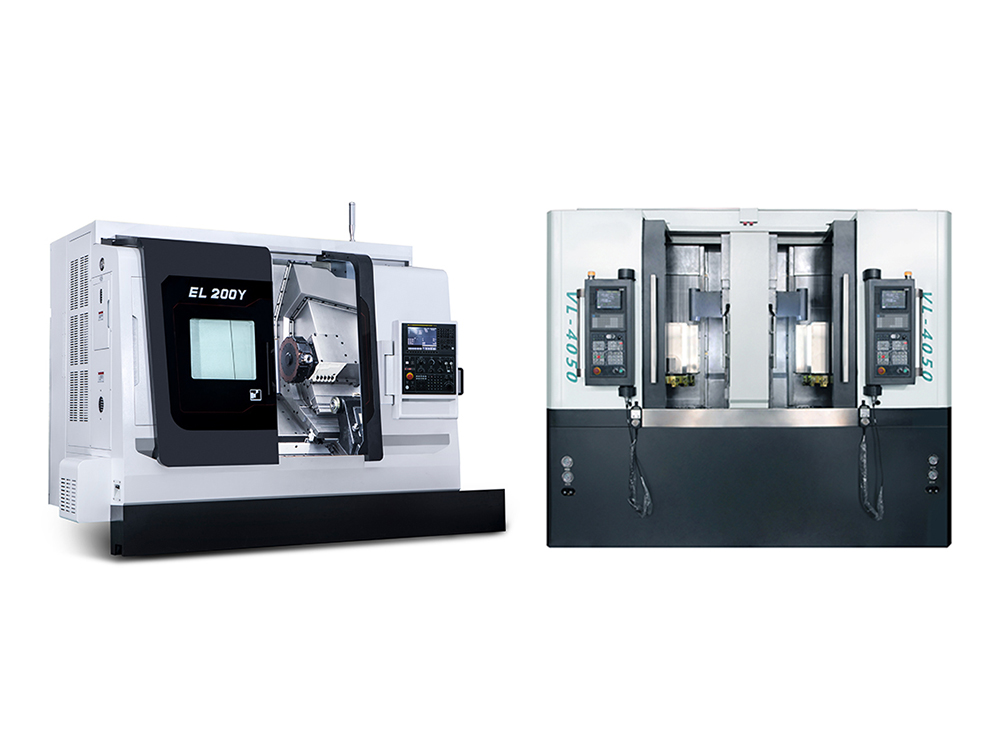
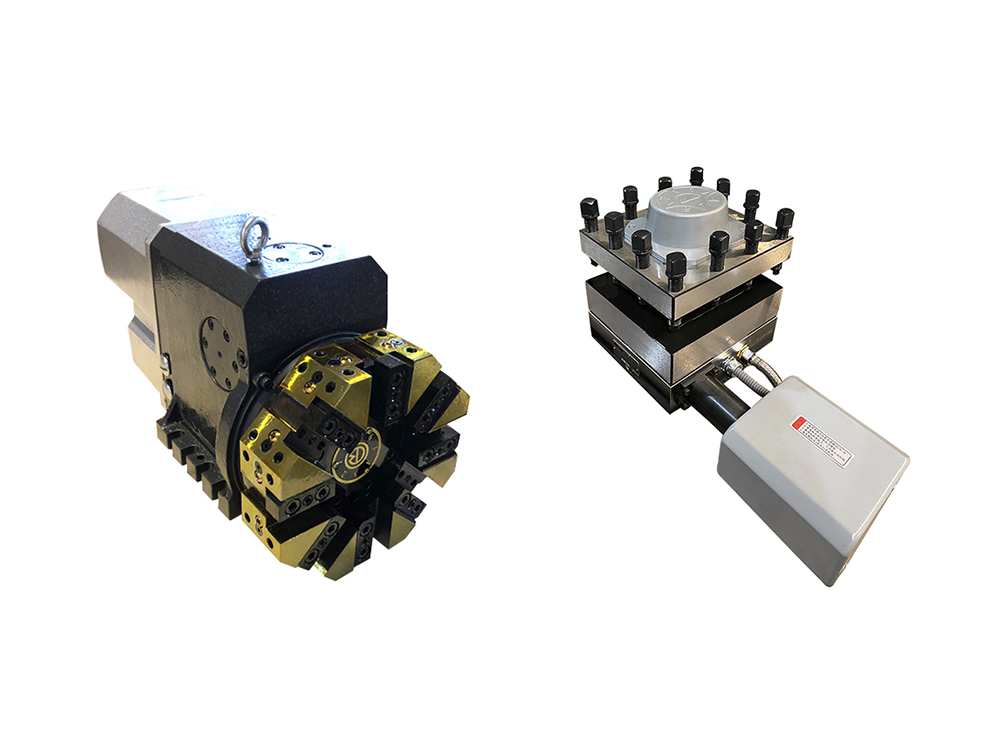
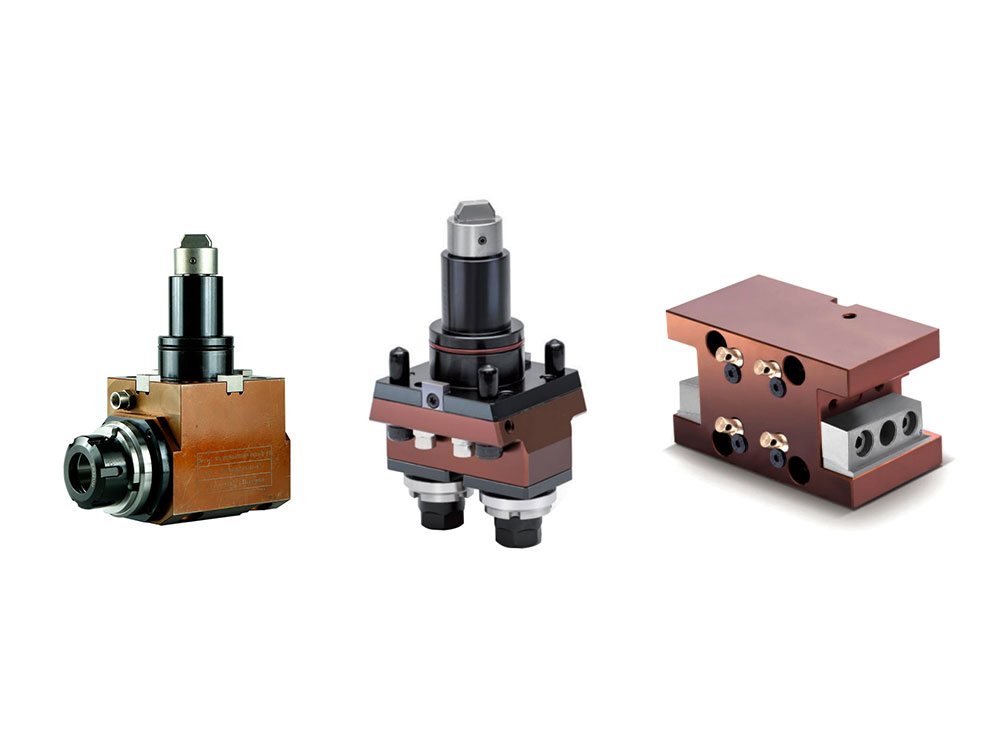
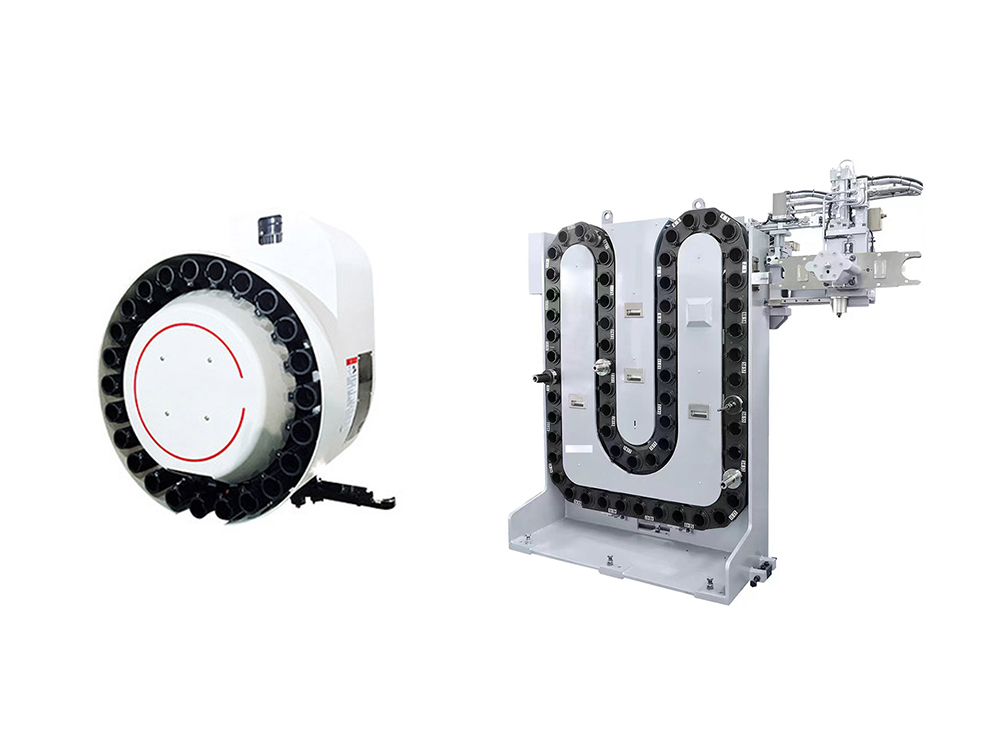
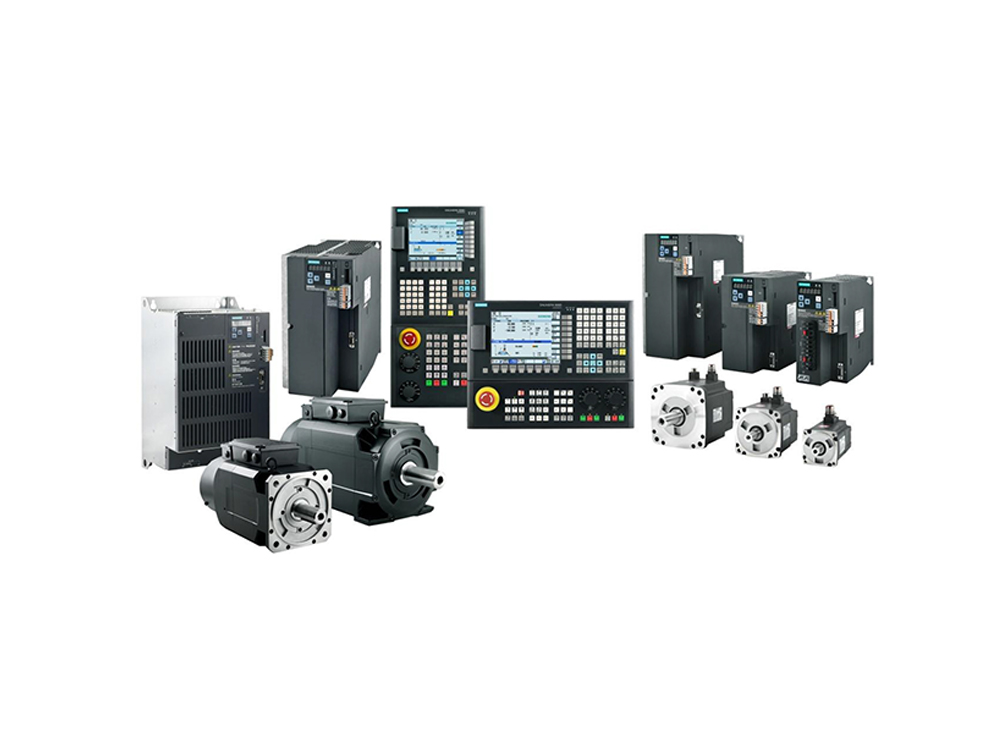
Our company offers high-quality CNC machining centers, CNC lathes, milling machines, CNC rotary tables, Renishaw, SIEMENS system,tool magazine,spindle,chuck, and other CNC machine tool accessories. For product purchases, feel free to contact us.


 Tel: (86 510) 68088084
 Whatsapp: +86-15852791610
 Mailbox: info@wxfagor.com

