
 Email:
  Whatsapp:


Clear records
history record

News
Related news
Why a CNC Tailstock Is Key to High-Quality and Accurate Machining
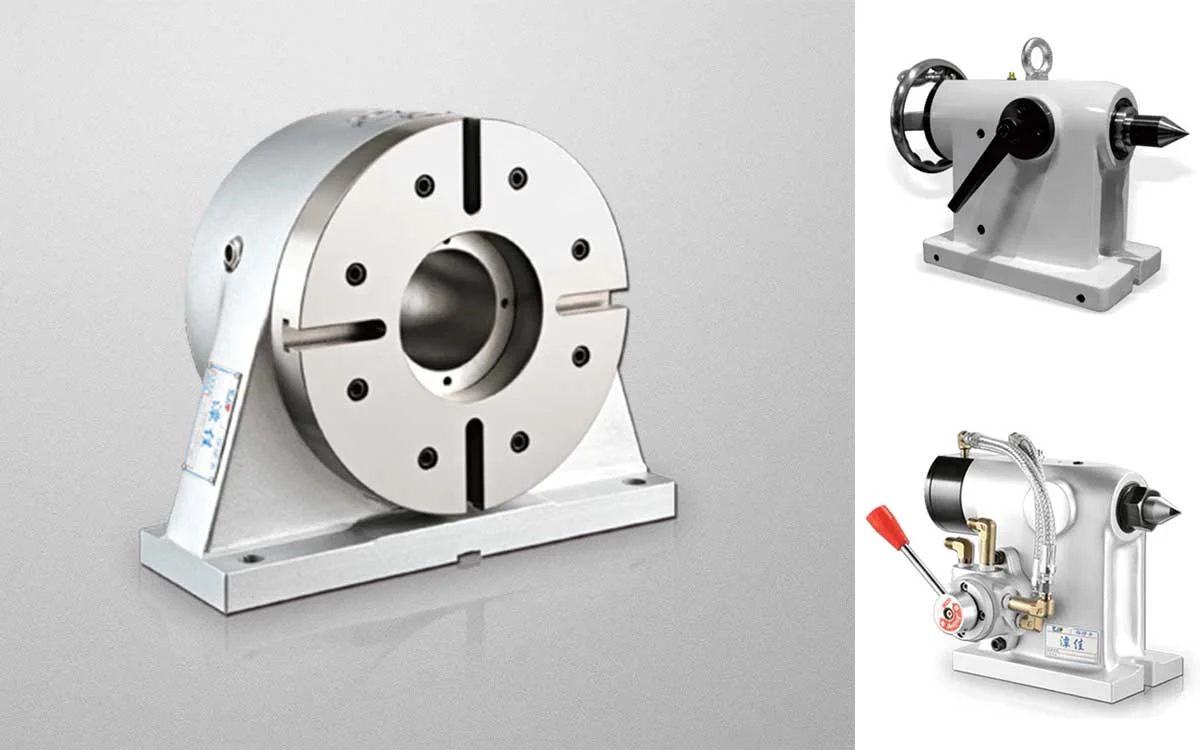
What Is a CNC Tailstock?
A CNC tailstock is an auxiliary support device mounted opposite the headstock on a CNC lathe or rotary table system. Its primary role is to stabilize the free end of a workpiece, ensuring that the component’s axis remains parallel to the machine bed.
By sliding along the machine’s guideways, the lathe tailstock can be adjusted to fit workpieces of different lengths. Once locked in position, it provides rigid support, helping to eliminate chatter, reduce runout, and maintain machining accuracy.
In addition to support, tailstocks can also hold cutting tools such as drills, taps, or reamers. This allows for center drilling, tapping, or reaming operations, where the tool remains fixed while the workpiece rotates.
When Do You Need a Tailstock in CNC Machining?
Not every machining process requires a tailstock, but its use is essential in certain conditions:
Long Workpieces: When the length-to-diameter (L/D) ratio exceeds 3:1, tailstock support is required to prevent deflection or vibration.
High-Precision Applications: Aerospace, automotive, and medical industries often demand extremely tight tolerances where stability is crucial.
Heavy Cutting Operations: Aggressive cutting forces can push the workpiece off-center without proper support.
Multi-Axis Machining: In 4-axis and 5-axis setups with rotary table tailstocks, additional rigidity ensures accuracy during complex milling operations.
Key Benefits of Using a CNC Tailstock
1. Improved Accuracy
A CNC tailstock plays a vital role in maintaining precise alignment of long or slender workpieces during machining. By providing a stable supporting point opposite the main spindle, it prevents workpiece deflection and tapering. This ensures consistent dimensional accuracy throughout the machining process, particularly in operations like turning, drilling, and boring where precision concentricity is critical.
2. Higher Surface Quality
Tailstocks help reduce chatter, vibration, and bending that often occur when machining long shafts or parts with small diameters. The stable support provided by the tailstock enables smoother tool engagement with the material, resulting in finer surface finishes and improved overall machining quality. This is especially beneficial in high-speed cutting or finishing operations where surface integrity is essential.
3. Extended Tool Life
When workpieces are insufficiently supported, cutting tools experience uneven loads and vibrations that accelerate wear. By stabilizing the workpiece, the CNC tailstock minimizes deflection and distributes cutting forces more evenly. This significantly reduces tool wear, extending tool life and lowering replacement costs. The result is improved machining consistency and better cost efficiency over time.
4. Increased Productivity
A properly configured tailstock allows operators to use higher cutting speeds and feed rates without compromising accuracy. With less vibration and deflection, machining processes become more efficient and reliable. This leads to shorter cycle times, fewer rejected parts, and higher overall throughput — key advantages in mass production and precision machining environments.
5. Versatility in Machining Operations
Modern CNC tailstocks are highly adaptable and can be used for various machining applications such as turning, drilling, reaming, tapping, and boring — all within a single setup. This flexibility not only simplifies the machining process but also reduces setup time and increases operational efficiency. Whether in horizontal lathes, vertical machining centers, or rotary table systems, a tailstock enhances the machine’s capability to handle diverse production requirements.
Alignment and Maintenance Considerations
Proper Alignment with the Headstock:
The CNC lathe tailstock must be precisely aligned with the spindle centerline. Misalignment can result in tapering, chatter, or off-center holes.
Rigidity of the Tailstock:
A strong clamping system ensures that the workpiece remains secure during machining, even under heavy cutting forces.
Regular Maintenance:
Routine inspection, lubrication, and calibration are critical to ensure long-term accuracy and reliability.
Tailstocks in CNC Rotary Table Applications
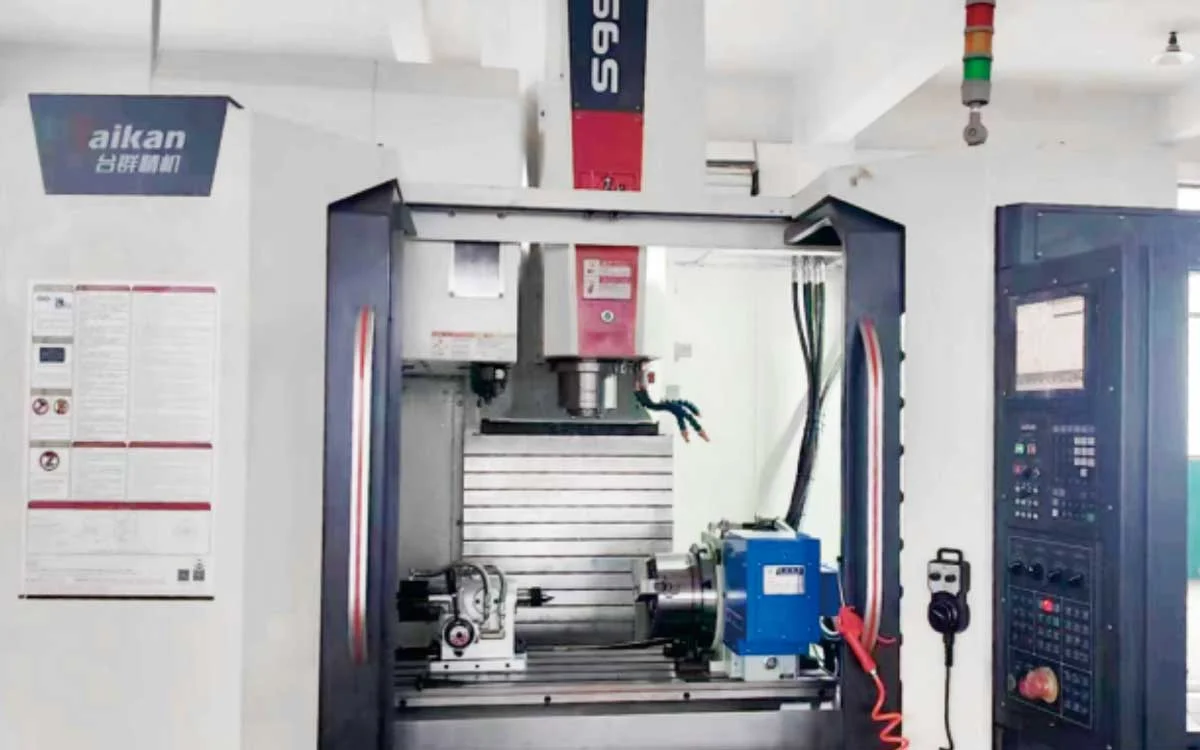
Tailstocks are not limited to CNC lathes. They are also widely used in rotary table setups for vertical and horizontal machining centers.
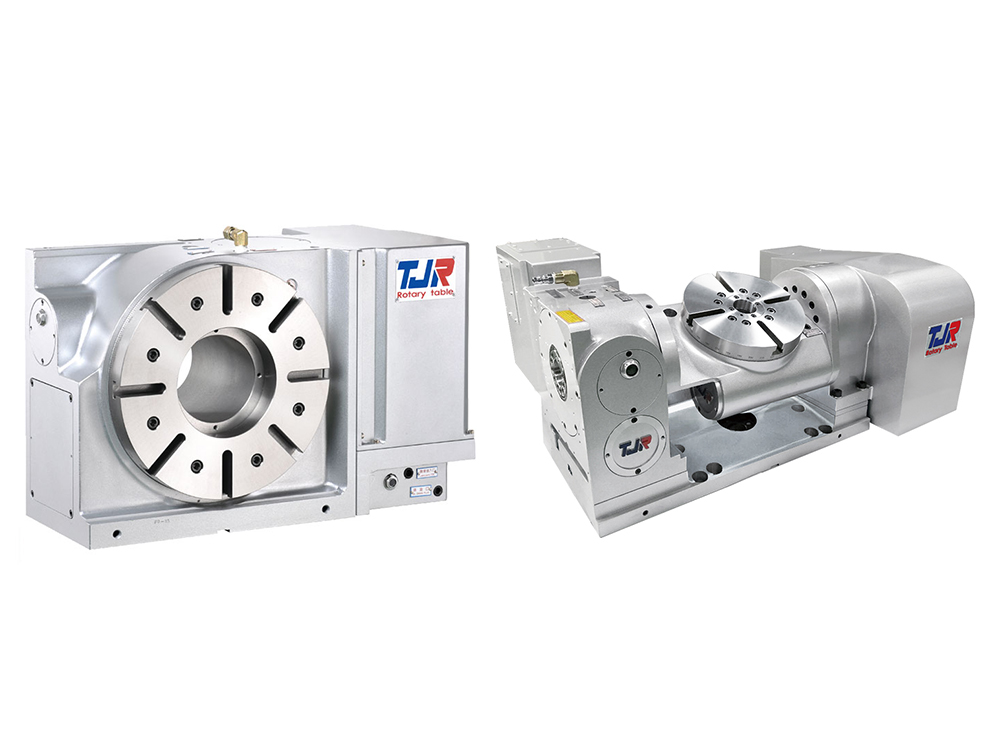
When combined with a 4-axis or 5-axis rotary table, a rotary table tailstock provides additional stability for long or heavy workpieces. This ensures precision during multi-angle machining operations, making it essential for mold making, aerospace shafts, and automotive components.
How to Choose the Right CNC Tailstock
When selecting a tailstock, consider:
The workpiece length-to-diameter ratio
Load capacity and rigidity requirements
Compatibility with your CNC lathe or rotary table
The choice between manual, hydraulic, or pneumatic actuation depending on production needs
FAQ About CNC Tailstocks
1. What is the difference between a CNC tailstock and a lathe tailstock?
Both serve the same function: supporting the free end of a workpiece. A CNC tailstock is designed for modern CNC machines, often offering higher rigidity and precision than traditional manual tailstocks.
2. Do I always need a tailstock in CNC machining?
No. Short, rigid workpieces can be machined without one. However, when the L/D ratio exceeds 3:1, a tailstock is strongly recommended.
3. Can a tailstock be used for drilling operations?
Yes. It can hold drills, taps, or reamers for hole-making. Unlike a drill press, the tool in the tailstock remains fixed while the workpiece rotates.
4. How do I align a CNC tailstock properly?
The tailstock center must align with the spindle centerline. Regular calibration helps prevent tapering, chatter, and inaccuracies.
5. What problems occur with a misaligned tailstock?
Tapered workpieces/Vibration and chatter marks/Off-center holes/Increased tool wear
6. Can a tailstock be used with a CNC rotary table?
Yes. A rotary table tailstock is essential for long workpieces in 4-axis and 5-axis machining, ensuring stability during multi-angle operations.
7. How do I choose the right tailstock?
Consider workpiece size, load capacity, compatibility with your machine, and whether manual, hydraulic, or pneumatic systems best fit your needs.
8. Which industries benefit most from CNC tailstocks?
Aerospace (shafts, landing gear)
Automotive (axles, drive shafts)
Medical (surgical tools, implants)
Defense (rifle barrels, weapon components)
A CNC tailstock may look like a simple accessory, but it plays a vital role in achieving precision, stability, and productivity in modern machining. Whether used on a CNC lathe or paired with a rotary table, tailstocks are essential for machining long, slender, or high-precision parts.
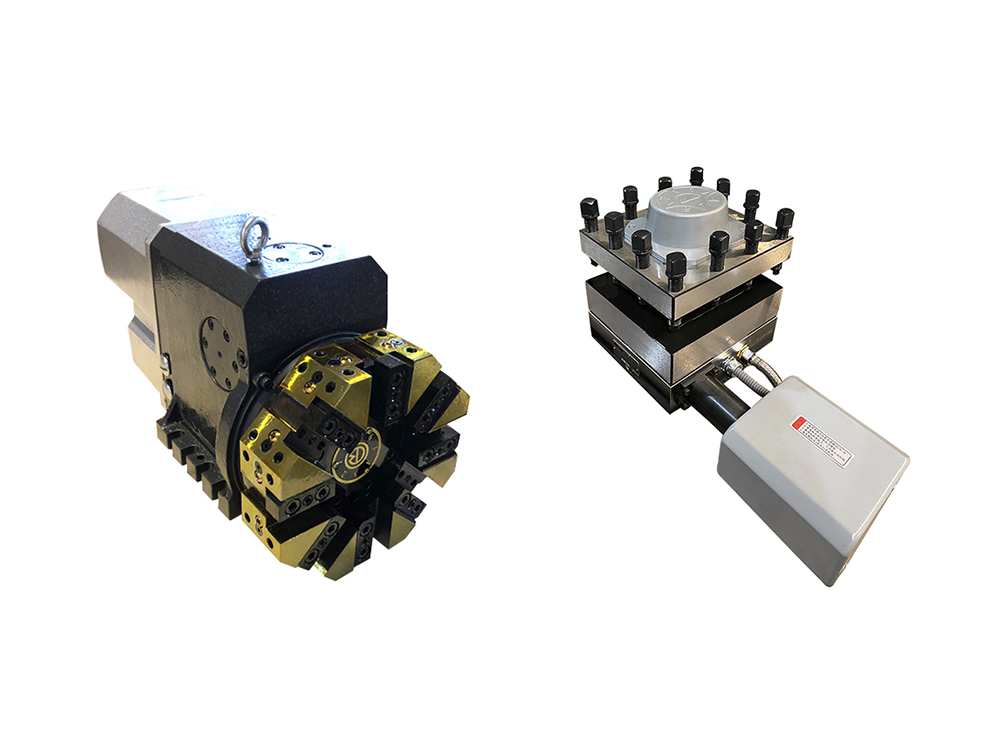
At Fagor Technology, we provide reliable CNC accessories including rotary tables, CNC tailstocks, lathe tool holders, and power turrets. Our solutions are engineered to help manufacturers achieve greater accuracy, extend tool life, and maximize efficiency in every machining process.
If you are looking for a high cost-performance CNC tailstock, welcome to contact Fagor Technology for more product details and technical support. We offer CNC tailstocks in various specifications to suit different machines and machining requirements, along with transparent and reasonable CNC tailstock price quotes.


 Tel: (86 510) 68088084
 Whatsapp: +86-15852791610
 Mailbox: info@wxfagor.com

